
Does Opening Windows Help Dehumidify?
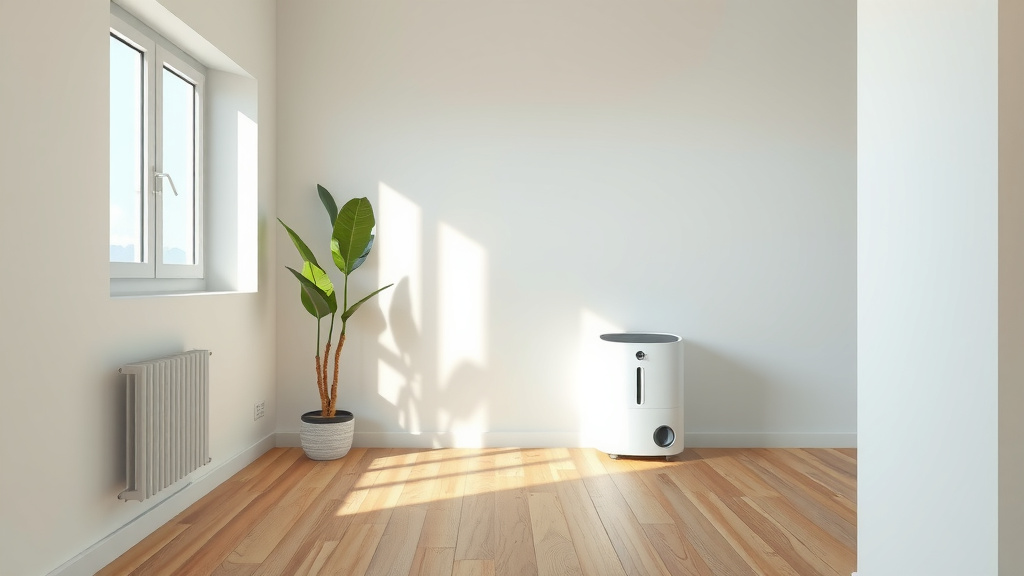
Opening windows can help dehumidify your home only if the air outside is significantly cooler and drier than the air inside. If outside humidity is high, opening windows will make your indoor humidity worse.
Ultimately, the effectiveness of opening windows to dehumidify your home depends on the outdoor weather conditions. It’s not a universal solution and can often backfire.
Here’s a quick overview of what you’ll find in this article:
- Opening windows works best when outdoor air is cool and dry.
- Never open windows if it’s humid or raining outside.
- High indoor humidity can cause mold and discomfort.
- Dehumidifiers and AC units are often more reliable solutions.
- Proper ventilation and air circulation are always important.
Does Opening Windows Help Dehumidify?
Opening windows can help dehumidify your home, but only under specific environmental conditions. You need the air outside to be noticeably cooler and less humid than the air inside your living space.
When Opening Windows Works
Imagine a crisp, cool autumn morning after a rainstorm. The air outside feels fresh and dry. This is an ideal time to open your windows. The drier outdoor air can mix with your humid indoor air. This exchange helps lower the overall moisture content inside your home.
We found that proper cross-ventilation significantly boosts this effect. Open windows on opposite sides of your house. This creates a natural airflow path. The humid air gets pushed out, and the drier air moves in. It is a simple, no-cost method when conditions are just right.
When Opening Windows Backfires
What if it is a hot, sticky summer day? The air outside feels thick with moisture. Opening your windows then would be like inviting a steam bath into your home. The hot, humid outdoor air would rush in. This would quickly raise your indoor humidity levels. Your home would feel muggier, not drier. Many experts warn against this during peak humidity (EPA).
Similarly, avoid opening windows during or immediately after rain. Rain means high outdoor humidity. You would be drawing that moisture directly inside. This can make existing humidity problems much worse. It can even lead to condensation issues on cooler surfaces.
Understanding Relative Humidity
Relative humidity is key here. It tells you how much moisture is in the air. This is compared to the maximum amount it can hold at that temperature. Your goal is usually to keep indoor relative humidity between 30% and 50%. If the outdoor relative humidity is higher than this range, opening windows might be counterproductive. You need to know the numbers to make smart choices.
The Dangers of High Indoor Humidity
Why worry about humidity? High humidity is more than just uncomfortable. It creates a perfect breeding ground for mold and mildew. These can cause musty smells and unhealthy air quality. Mold spores can trigger allergies and respiratory problems (CDC). Long-term exposure to mold is never a good idea.
High humidity also impacts your home itself. It can warp wood floors and furniture. Peeling paint and water stains often show up. Dust mites thrive in humid conditions. Your home’s structure and your personal belongings can all suffer. It is important to keep indoor moisture in check for these reasons.
Checking Outdoor Humidity and Temperature
Before you open any windows, check your local weather forecast. Look for both the temperature and the humidity percentage. Compare these to your indoor readings. Many modern thermostats show indoor humidity. You can also use a simple hygrometer. This helps you make an informed decision about ventilation. If the outdoor dew point is lower than inside, you are likely in a good spot.
Alternatives to Opening Windows for Dehumidification
So, what if the outdoor air isn’t cooperating? You have other options to control indoor humidity. Many homes rely on these methods daily.
- Use a Dehumidifier: These appliances are designed specifically to remove moisture from the air. They come in various sizes for single rooms or whole homes. A good dehumidifier offers precise humidity control.
- Run Your Air Conditioner: Air conditioners naturally dehumidify as they cool. They remove moisture from the air as part of their cooling cycle. This is a big plus during hot, humid months.
- Improve Bathroom and Kitchen Ventilation: Always use exhaust fans when showering or cooking. These fans pull moisture-laden air directly outside. This prevents steam from spreading through your home.
- Fix Leaks: Even small leaks can add significant moisture. Check pipes, roofs, and foundations regularly. Repairing these quickly keeps water where it belongs.
- Vent Clothes Dryer Outdoors: Ensure your dryer is properly vented to the outside. A blocked or disconnected vent can release hot, humid air into your home.
Table: When to Open or Close Your Windows
Deciding when to open or close your windows can be tricky. Here’s a quick guide to help you decide:
| Scenario | Outdoor Conditions | Action | Reason |
|---|---|---|---|
| Cool, Dry Air | Temperature below indoors, Low humidity | Open Windows | Allows drier, cooler air to enter and replace humid indoor air. |
| Warm, Humid Air | Temperature above indoors, High humidity | Close Windows | Prevents more moisture from entering your home. |
| Raining/Post-Rain | High humidity, Wet surfaces | Close Windows | Rain carries significant moisture, will increase indoor humidity. |
| Air Conditioner On | Any, but often warm | Close Windows | AC works to cool and dehumidify; open windows undo its work. |
| Cooking/Showering | Indoor activity | Keep Windows Closed (use fan) | Ventilation fan is more effective at removing localized steam. |
Practical Dehumidifying Checklist
Want to keep your home feeling fresh and dry? Follow these straightforward steps:
- Check local weather forecasts for humidity levels before opening windows.
- Use a hygrometer to monitor indoor humidity.
- Run exhaust fans in bathrooms and kitchens every time.
- Consider a dedicated dehumidifier if humidity is a constant problem.
- Keep your air conditioning unit well-maintained to improve efficiency.
- Ensure your clothes dryer is vented properly to the outside.
- Fix any water leaks or moisture sources promptly.
Using Cross-Ventilation Wisely
Cross-ventilation involves opening windows on different sides of your home. This creates a current of air. It helps flush out stale, humid air and brings in fresh air. It is very effective during those ideal, dry outdoor conditions. Think of it like a gentle breeze clearing the room. But remember, the outside air must be drier than the inside air for this to work well for dehumidification. Using a ceiling fan can also help circulate air when windows are open, boosting the exchange.
Conclusion
Opening windows can certainly play a role in dehumidifying your home. However, it is a nuanced approach. You must ensure the outdoor air is significantly drier and cooler than your indoor environment. Otherwise, you risk making your humidity problems worse. For consistent and reliable humidity control, especially during hot or rainy seasons, mechanical dehumidifiers or air conditioning systems are usually the go-to solutions. Always monitor your indoor humidity and respond to the real-time conditions. Your comfort and your home’s health depend on it.
Are plants adding to my indoor humidity?
Yes, plants release moisture into the air through a process called transpiration. While a few plants won’t dramatically increase humidity, a large collection of plants in a small, unventilated room certainly can contribute to higher moisture levels. Consider grouping them near a window you can open on dry days or using a fan.
Can cooking increase indoor humidity significantly?
Absolutely. Boiling water, simmering sauces, and even baking can release a substantial amount of steam into your kitchen air. This moisture quickly spreads throughout your home. Always use your range hood or kitchen exhaust fan when cooking. This helps vent the steam directly outside.
Is indoor humidity always bad?
No, not at all. Some indoor humidity is necessary for comfort and health. The ideal range is generally between 30% and 50% relative humidity. Too low humidity, especially in winter, can cause dry skin, irritated throats, and even damage wood furniture. It is about finding the right balance.
How quickly does opening windows dehumidify a room?
The speed depends on several factors. These include the size of the room, the humidity difference between inside and outside, and the airflow. A small room with excellent cross-ventilation on a very dry day might dehumidify noticeably in 15-30 minutes. A larger space with less airflow will take longer. It is not an instant fix.
Should I open windows if I smell mold?
If you smell mold, opening windows can help air out the immediate odor. However, it does not address the underlying moisture source causing the mold. Opening windows might even worsen the problem if outside conditions are humid. You need to find and fix the leak or moisture issue first. Then clean the mold thoroughly. Ventilation can then help after the source is handled.
