
Can a Dehumidifier Help with Asthma?
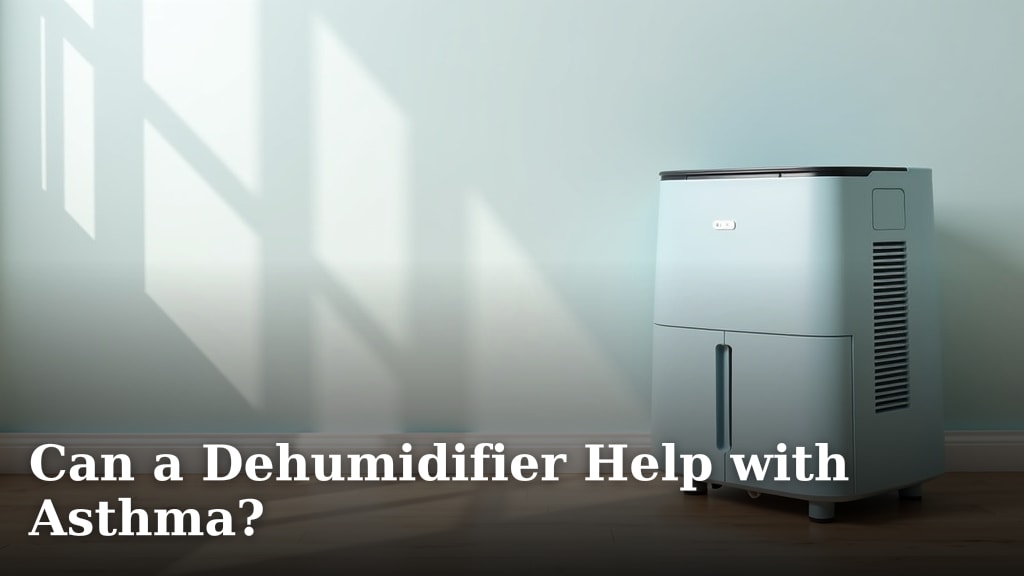
Yes, a dehumidifier can significantly help with asthma by reducing triggers like mold and dust mites. We found that managing your indoor humidity levels is key for better breathing and fewer asthma symptoms.
You know how damp spaces feel stuffy? That excess moisture can become a breeding ground for common asthma irritants. Using a dehumidifier helps create a drier, healthier indoor environment for everyone, especially those with sensitive airways.
- Dehumidifiers reduce asthma triggers.
- They lower indoor humidity.
- This helps control mold and dust mites.
- Can lead to fewer asthma symptoms.
- A drier home is a healthier home.
So, how exactly does a dehumidifier make a difference for your asthma? Let’s dive in and find out.
Optimizing Your Home for Asthma with Dehumidifiers
You might be wondering, “Can a dehumidifier truly make a difference for my asthma?” We found that managing your indoor humidity levels is a powerful tool for reducing asthma triggers and improving your breathing. It’s all about creating an environment where common irritants can’t thrive.
Think of it this way: your home’s air quality directly impacts your respiratory health. When it’s too humid, you’re practically inviting trouble. A good dehumidifier acts as your home’s personal bodyguard against these invisible threats.
Understanding Asthma Triggers in Your Home
Asthma isn’t just about breathing problems; it’s about your airways reacting to certain triggers. Many of these triggers are tiny, often invisible, and love damp conditions. Recognizing them is the first step to a healthier home.
You probably already know about things like pollen or pet dander. But what about the ones that thrive in moisture? These are the primary targets a dehumidifier can help you tackle.
The Role of Dust Mites
Dust mites are tiny creatures that live in our homes, especially in bedding, upholstered furniture, and carpets. They aren’t visible to the naked eye, but their presence can cause significant problems for people with asthma.
We found that dust mites thrive in humidity levels above 50% (American Lung Association). Their droppings are a potent allergen that can trigger asthma symptoms. By reducing humidity, you make your home a much less hospitable place for these pests.
Mold and Mildew Growth
Mold and mildew are fungi that grow in damp, poorly ventilated areas. They can appear as fuzzy patches on walls, ceilings, or even clothes. The spores released by mold are a common asthma trigger.
Exposure to mold can irritate your airways, leading to coughing, wheezing, and shortness of breath. Controlling moisture is key to preventing mold growth. If you’ve ever smelled that musty odor, you’re likely detecting mold.
Other Airborne Irritants
While dust mites and mold are major players, other irritants like bacteria and certain viruses also prefer humid environments. While a dehumidifier isn’t a direct air purifier, it indirectly helps by creating less favorable conditions for many airborne biological agents.
Even some chemical emissions from household products can be worse in very humid air. Keeping your air dry helps in a broader sense of overall indoor air quality.
How Dehumidifiers Combat Asthma Triggers
The core function of a dehumidifier is simple: it removes excess moisture from the air. This process has a cascading effect that directly benefits asthma sufferers.
Imagine your home breathing a sigh of relief as the air gets drier. That’s essentially what happens. You’re taking away the essential ingredient that many triggers need to survive and reproduce.
Creating an Unfriendly Environment for Pests
By lowering the relative humidity in your home, you’re actively working against dust mites and mold. They need moisture to live and multiply. Take away that moisture, and their numbers drop significantly.
We found that maintaining indoor humidity between 30% and 50% is ideal for allergy and asthma control (Mayo Clinic). This range is too dry for dust mites and mold to flourish, but still comfortable for you.
Reducing Mold Spore Circulation
When mold can’t grow, it can’t release spores into the air. Fewer spores mean fewer chances for your asthma to be triggered. It’s a proactive step in managing your symptoms.
If you’ve had mold issues in the past, a dehumidifier can help prevent their return. It’s part of a multi-pronged approach to keep your home fresh and clean.
Choosing the Right Dehumidifier for Your Home
Not all dehumidifiers are created equal. To get the most benefit for your asthma, you need one that’s suited to your home’s size and your specific needs. Think about where you need the most help.
Do you have a damp basement? A humid bedroom? The right model will efficiently remove moisture from the problem areas.
Types of Dehumidifiers
There are a few main types, each with its own advantages. Understanding them will help you make an informed decision.
- Portable Dehumidifiers: These are the most common for residential use. You can move them from room to room.
- Whole-House Dehumidifiers: These integrate with your HVAC system and control humidity throughout your entire home.
- Desiccant Dehumidifiers: These are often used in cooler, drier climates or for very low humidity requirements, but they can be less common for general home use.
Capacity and Coverage Area
Dehumidifier capacity is measured in pints of moisture removed per day. This is a critical factor. A unit that’s too small for your space won’t be effective.
Look at the square footage of the area you want to dehumidify and the typical humidity level. Manufacturers usually provide guidelines for recommended room sizes.
Here’s a quick guide we put together for common home capacities:
| Room Size (Sq Ft) | Condition | Suggested Capacity (Pints/Day) |
|---|---|---|
| Up to 500 | Slightly damp | 10-15 |
| 500-1000 | Moderately damp | 20-30 |
| 1000-1500 | Very damp | 35-45 |
| 1500-2500+ | Wet/Flooded | 50-70 |
Remember, these are just guidelines. If your basement feels like a swamp, you’ll need a higher capacity.
Key Features to Look For
Beyond capacity, several features can make a big difference in convenience and effectiveness.
- Humidistat: This allows you to set your desired humidity level, and the unit will turn on and off automatically to maintain it. This saves energy.
- Continuous Drainage: If you have a floor drain, you can attach a hose for continuous drainage, so you don’t have to empty the water bucket.
- Auto Shut-Off: The unit will turn off when the water bucket is full, preventing overflows. This is a must-have for safety and convenience.
- Low Temperature Operation: If you plan to use it in a cool basement, ensure it can operate effectively at lower temperatures.
- Noise Level: Consider the noise if it will be in a living area or bedroom. Some models are much quieter than others.
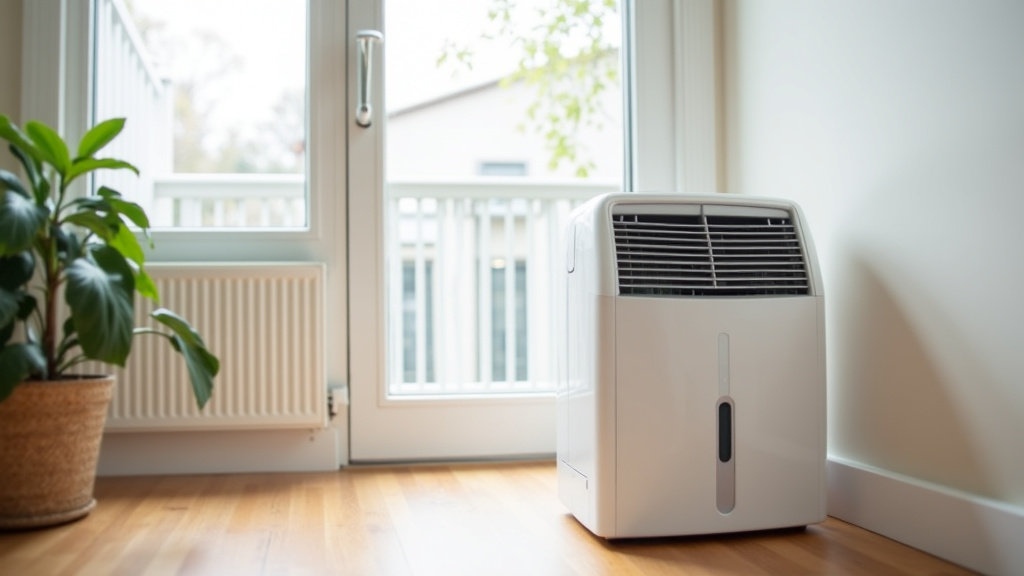
Using Your Dehumidifier Effectively for Asthma Relief
Having a dehumidifier is just one part of the equation; using it correctly is the other. Proper placement and maintenance ensure you get the maximum benefit.
Think of it as setting up your home’s air defense system. You want it to be operating at its peak.
Optimal Placement and Settings
Where you put your dehumidifier matters. Place it in the dampest areas of your home, like basements, crawl spaces, or bathrooms without good ventilation. For general whole-house control, a central hallway or living area can work, but focus on the problem spots first.
Aim for a humidity setting between 40% and 50%. This range is generally comfortable for people and too dry for most asthma triggers. You might need to adjust it slightly based on your climate and comfort.
Routine Maintenance Checklist
Like any appliance, your dehumidifier needs a little care to keep working efficiently. Skipping maintenance can reduce its effectiveness and even shorten its lifespan.
Here’s a simple checklist to keep your unit in top shape:
- Empty the water bucket regularly: If you don’t have continuous drainage, this is crucial to prevent overflows and mold growth within the unit.
- Clean the air filter: Check and clean the filter every few weeks, or more often if you have pets. A clogged filter reduces efficiency.
- Clean the coils: Over time, dust can build up on the evaporator coils. Follow your manufacturer’s instructions for cleaning.
- Check for ice buildup: In cooler environments, coils can sometimes freeze. If this happens, your unit might need defrosting.
- Ensure proper airflow: Make sure there’s enough space around the unit for air to circulate freely. Don’t block the intake or exhaust vents.
When to Expect Improvements and Other Considerations
You probably won’t see dramatic changes overnight, but with consistent use, you should notice a difference in your home’s air quality and potentially your asthma symptoms. It’s a journey, not a sprint.
We found that consistency is key. Keep that humidity in check, and your home will thank you.
Patience and Observation
It can take a few days or even weeks for the humidity levels to stabilize and for the dust mite and mold populations to decrease significantly. Pay attention to how you feel and monitor your asthma symptoms.
You might notice less stuffiness, fewer musty odors, and perhaps a reduction in your coughing or wheezing. Keep a log if that helps you track progress.
Dehumidifiers as Part of a Larger Strategy
While a dehumidifier is a powerful tool, it’s just one part of a comprehensive asthma management plan. It works best in conjunction with other healthy home practices.
Consider combining it with an air purifier, regular cleaning, and keeping windows closed during high pollen counts. The more steps you take, the better your chances of controlling your asthma triggers effectively. Many guidelines point to environmental control as a key component of asthma management (National Heart, Lung, and Blood Institute).
Conclusion
You’ve learned that a dehumidifier is a powerful tool for managing asthma triggers in your home. By controlling indoor humidity, you actively deter dust mites and mold, leading to a healthier environment. We found that maintaining humidity between 40-50% is key for reducing irritants and potentially easing your symptoms.
This isn’t a magic bullet, but it’s a vital part of a broader strategy for cleaner air. Selecting the right unit, placing it correctly, and performing routine maintenance will ensure you get the most benefit.
Ready to breathe a little easier? Start by assessing your home’s most humid areas and choosing a dehumidifier that fits your needs.
Frequently Asked Questions
How quickly will I notice an improvement in my asthma symptoms after using a dehumidifier?
You might not see immediate changes, as it takes time for dust mite populations and mold to decrease. Consistent use over a few days to weeks should lead to noticeable improvements in air quality and potentially fewer symptoms.
Can a dehumidifier replace my air purifier for asthma relief?
No, a dehumidifier and an air purifier serve different functions. A dehumidifier removes moisture, preventing trigger growth, while an air purifier filters particles from the air. For comprehensive asthma management, using both can be highly effective.
Where is the best place to put a dehumidifier in my home if I have asthma?
Focus on the most humid areas first, such as basements, bathrooms, or damp bedrooms. If you’re looking for whole-house relief, a central living area or hallway can help, but addressing specific problem spots is often most impactful.
Is it okay to run my dehumidifier all the time?
Many dehumidifiers have a humidistat, allowing them to turn on and off automatically to maintain your desired humidity level (aim for 40-50%). Running it continuously is fine if needed, but the auto-setting is more energy-efficient and prevents the air from becoming too dry.
What if my home is already dry? Will a dehumidifier still help with asthma?
If your home is already consistently dry (below 40% humidity), a dehumidifier may not be necessary. Asthma triggers like dust mites and mold thrive in higher humidity. In very dry conditions, you might even find an air humidifier beneficial, but always consult with your doctor regarding your specific asthma needs.
