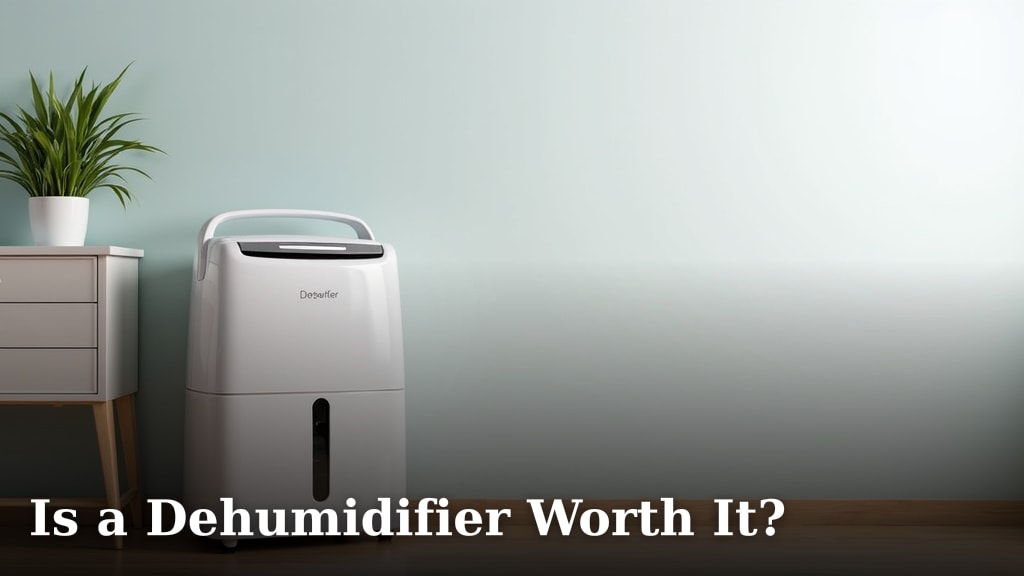
Is a Dehumidifier Worth It?
Yes, a dehumidifier is often worth it if you live in a humid climate or struggle with indoor moisture. It can significantly improve your home’s comfort and air quality by reducing excess humidity.
Excess humidity can make your home feel sticky and uncomfortable. It also creates a perfect breeding ground for mold, mildew, and dust mites. A good dehumidifier tackles these issues head-on, protecting your home and health.
- Reduces indoor humidity effectively.
- Improves comfort and air quality.
- Helps prevent mold and mildew growth.
- Can protect your belongings from moisture damage.
Below, we break down everything you need to know about dehumidifiers and help you decide if one is right for your home.
Understanding the Value of a Dehumidifier
You might be asking, “Is a dehumidifier truly necessary for my home?” The short answer is yes, for many households. If you’ve ever felt that sticky, muggy air indoors, even when it’s cool, a dehumidifier can be a game-changer. It works by removing excess moisture from the air, creating a much more comfortable living environment.
Think of it this way: just like a heater warms your home in winter, or an air conditioner cools it in summer, a dehumidifier controls humidity. It’s about achieving a balanced, healthy indoor climate. Too much humidity isn’t just uncomfortable; it can also pose risks to your home and your health.
When is a Dehumidifier Most Useful?
Not every home needs a dehumidifier, but many benefit greatly. We found certain situations where these devices shine. Consider your home’s unique environment and your personal comfort.
Living in Humid Climates
If you live in a region with naturally high humidity, especially during warmer months, a dehumidifier is almost essential. States along the coast, or in the Southeast, often experience this. The air just feels heavy, right?
This constant dampness can seep into your home, even with good insulation. A dehumidifier actively pulls that moisture out, making your indoor air feel lighter and fresher. It’s like having a little cloud-buster in your living room.
Tackling Basement and Crawl Space Moisture
Basements and crawl spaces are notorious for humidity. They often lack good ventilation and are underground, making them cooler and prone to condensation. Have you ever noticed that musty smell downstairs?
That odor is a strong indicator of excess moisture. A dehumidifier in these areas can prevent serious problems like mold growth and wood rot. It protects your home’s foundation and air quality (Environmental Protection Agency).
Dealing with Indoor Moisture Sources
Your daily activities can add a surprising amount of moisture to your home. Taking hot showers, cooking, and even drying clothes indoors contribute to humidity levels. Plants can also release moisture into the air.
If you notice condensation on windows or cold surfaces, or if towels take forever to dry, these are signs of too much indoor moisture. A dehumidifier can help manage these everyday contributions to humidity.
The Benefits of Reduced Humidity
So, you know a dehumidifier removes moisture. But what does that actually *do* for you and your home? The advantages go beyond just comfort. We’ve compiled some key benefits that make a dehumidifier a worthwhile investment.
Enhanced Comfort and Air Quality
Imagine stepping into your home and feeling immediate relief from the heavy, damp air outside. That’s the power of proper humidity control. Low humidity makes your home feel cooler, allowing you to often set your AC a few degrees higher.
This improved comfort isn’t just about temperature. It’s about the feeling of the air itself. It feels drier, crisper, and simply more pleasant to breathe. You’ll notice a difference in your energy levels too; that sluggish feeling often associated with muggy air can disappear.
Reducing Allergens and Irritants
Excess humidity creates an ideal breeding ground for many common allergens. Dust mites, for example, thrive in humid environments. Their droppings are a major trigger for allergies and asthma. Mold and mildew spores also love damp conditions.
By keeping humidity levels between 30% and 50%, a dehumidifier significantly reduces the populations of these unwelcome guests (Mayo Clinic). This means fewer sneezes, less coughing, and an overall improvement in indoor air quality for everyone, especially those with respiratory sensitivities.
Protecting Your Home and Belongings
Moisture isn’t just a comfort issue; it can be destructive. Over time, high humidity can cause serious damage to your home and your possessions. Thinking about long-term protection is important.
Preventing Mold and Mildew Growth
Mold and mildew are not only unsightly but can also cause structural damage and produce unpleasant odors. They can grow on walls, ceilings, carpets, and even behind wallpaper. Once mold takes hold, it can be expensive and difficult to remove.
A dehumidifier actively prevents this growth by eliminating the moisture they need to survive. It’s a proactive step to keep your home healthy and clean. You’re stopping problems before they even start.
Preserving Furniture and Electronics
High humidity can wreak havoc on wooden furniture, causing it to warp, crack, or even develop mildew stains. Books can become damp and brittle, and photographs can stick together. Musical instruments made of wood are especially vulnerable.
Even electronics can suffer. Excessive moisture can lead to corrosion of internal components, shortening their lifespan. A dehumidifier helps preserve your valuable belongings, protecting your investments around the house.
Energy Efficiency Considerations
You might wonder if running another appliance adds to your energy bill. While a dehumidifier uses electricity, it can actually help you save money in other areas. It’s about overall home energy management.
When the air is less humid, your air conditioner doesn’t have to work as hard to cool your home. Moist air feels warmer, meaning you’d typically set your AC lower to achieve the same comfort level. By removing humidity, your AC can run less often or at a higher temperature setting, leading to energy savings.
Consider this small table for a clearer picture:
| Scenario | Perceived Temperature | AC Usage | Comfort Level |
|---|---|---|---|
| High Humidity (80%+) | Warmer than actual | More (to cool & dehumidify) | Sticky, uncomfortable |
| Optimal Humidity (40-50%) | Actual temperature | Less (only to cool) | Comfortable, dry |
This shows how a dehumidifier supports your air conditioning system, potentially lowering your overall cooling costs. It helps your home’s systems work smarter, not harder.
Signs You Might Need a Dehumidifier
How do you know if your home is a good candidate for a dehumidifier? Besides a general feeling of dampness, there are several clear indicators. Pay attention to these common warning signs. Your home might be telling you something!
Visual and Olfactory Clues
Sometimes, your eyes and nose are the best detectors of excess humidity. These immediate clues are easy to spot and confirm. Don’t ignore them; they’re signals from your home.
Condensation on Windows and Pipes
Do you frequently see moisture droplets or fog on the inside of your windows, especially in the morning? This “sweating” is condensation, a sure sign of high indoor humidity. It means warm, moist air is hitting cooler surfaces.
Similarly, cold water pipes in basements or utility rooms often “sweat” when humidity is high. These droplets can lead to rust and mold if not addressed. It’s like your house is crying out for help!
Musty Odors and Stains
A persistent musty or earthy smell is a classic indicator of mold or mildew growth. This odor is often strongest in basements, bathrooms, or other poorly ventilated areas. It’s an unpleasant smell that can permeate your entire home.
Look for visible signs of mold or mildew too. These might appear as black, green, or white fuzzy patches on walls, ceilings, shower curtains, or fabrics. Don’t just clean the surface; address the underlying humidity problem.
Health and Comfort Indicators
Your own body can also provide clues about your home’s humidity levels. How you feel and react to your environment is very telling. Pay attention to your well-being and that of your family.
Allergy and Asthma Flare-ups
If members of your household experience more frequent or severe allergy symptoms, such as sneezing, coughing, watery eyes, or difficulty breathing, high humidity could be a culprit. As mentioned, dust mites and mold thrive in damp conditions.
Reducing indoor humidity can significantly alleviate these symptoms. It creates a less hospitable environment for common indoor allergens, offering relief to sensitive individuals. Many experts recommend this approach (American Academy of Allergy, Asthma & Immunology).
General Discomfort and Sticky Skin
Do you feel perpetually sticky or clammy indoors, even when the temperature isn’t overly high? Does your skin feel damp? This is a common complaint when humidity levels are too high. It makes everything feel heavy and oppressive.
You might also find your hair feels frizzier or clothes feel slightly damp even after being stored. These subtle signs point to too much moisture in the air. A dehumidifier can bring back that feeling of fresh, dry comfort.
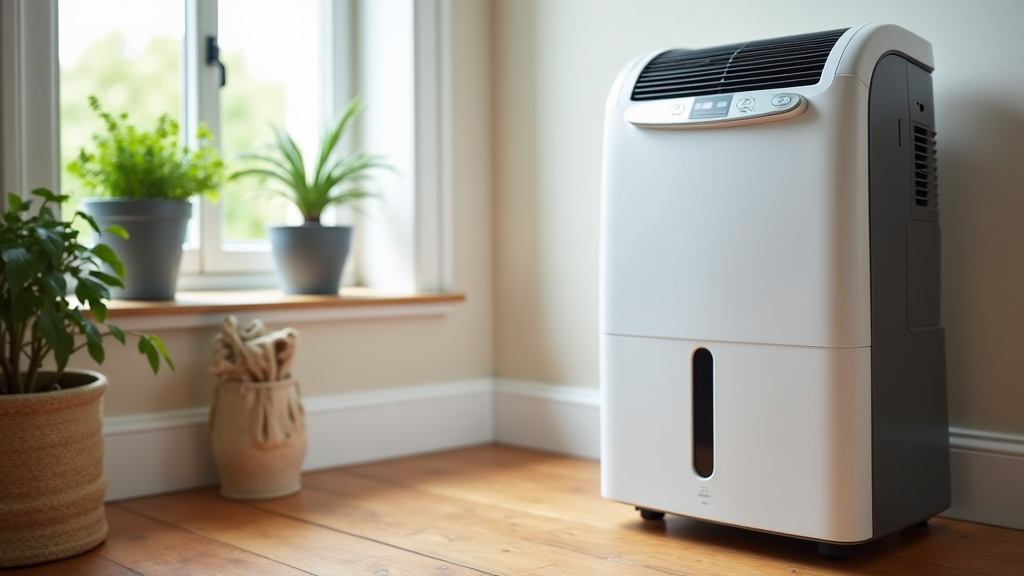
Choosing the Right Dehumidifier
If you’ve decided a dehumidifier is right for you, the next step is choosing the best model. It’s not a one-size-fits-all situation. We’ll guide you through the key considerations to ensure you pick a unit that effectively meets your needs.
Understanding Capacity and Size
Dehumidifiers are rated by the amount of moisture they can remove from the air in a 24-hour period. This capacity is measured in pints. The size of your space and how damp it is will determine the capacity you need. A larger space or a wetter area requires a higher-capacity unit.
- Small rooms (up to 500 sq ft): Consider 30-pint units.
- Medium rooms (500-1000 sq ft): Look for 50-pint units.
- Large rooms/basements (1000-2500 sq ft): A 70-pint unit is often recommended.
- Very damp areas: You might need to go up a size even for smaller rooms if they are exceptionally wet.
It’s better to slightly overestimate than underestimate capacity. An undersized unit will run constantly and still struggle to achieve optimal humidity levels, wasting energy. An appropriately sized unit will cycle on and off, working more efficiently.
Conclusion
Deciding if a dehumidifier is worth it for your home comes down to your specific environment and needs. If you’ve been battling persistent dampness, musty smells, or visible mold, a dehumidifier offers a powerful solution. It doesn’t just improve comfort; it actively protects your health and your home’s structural integrity and belongings.
By understanding the signs of excess humidity and choosing the right capacity unit, you can transform your living space. We genuinely hope this guide helps you create a drier, healthier, and more comfortable home. Your investment in a dehumidifier can pay off significantly in both comfort and peace of mind.
Frequently Asked Questions
What is the ideal humidity level for a home?
For optimal comfort and to prevent issues like mold growth and dust mites, you should aim to keep your indoor humidity levels between 30% and 50%. A hygrometer can help you monitor this.
How long does it take for a dehumidifier to work?
The time it takes depends on the unit’s capacity, the room size, and the initial humidity level. You will likely notice a difference within a few hours, with significant improvements over 24-48 hours of continuous operation.
Where is the best place to put a dehumidifier in a house?
The best place is usually in the dampest area of your home. This often means a basement, crawl space, or a central location on the lowest floor. Make sure there’s good airflow around the unit.
Do dehumidifiers use a lot of electricity?
Running costs vary by model and how often it runs. While they use electricity, they can help your air conditioner run more efficiently, potentially offsetting some costs. Look for Energy Star certified models for better efficiency.
Can a dehumidifier help with allergies?
Yes, absolutely. Dehumidifiers reduce humidity, which limits the growth of common allergens like dust mites and mold. This can significantly alleviate allergy symptoms for sensitive individuals.