
Do I Need a Dehumidifier If I Have Air Conditioning?
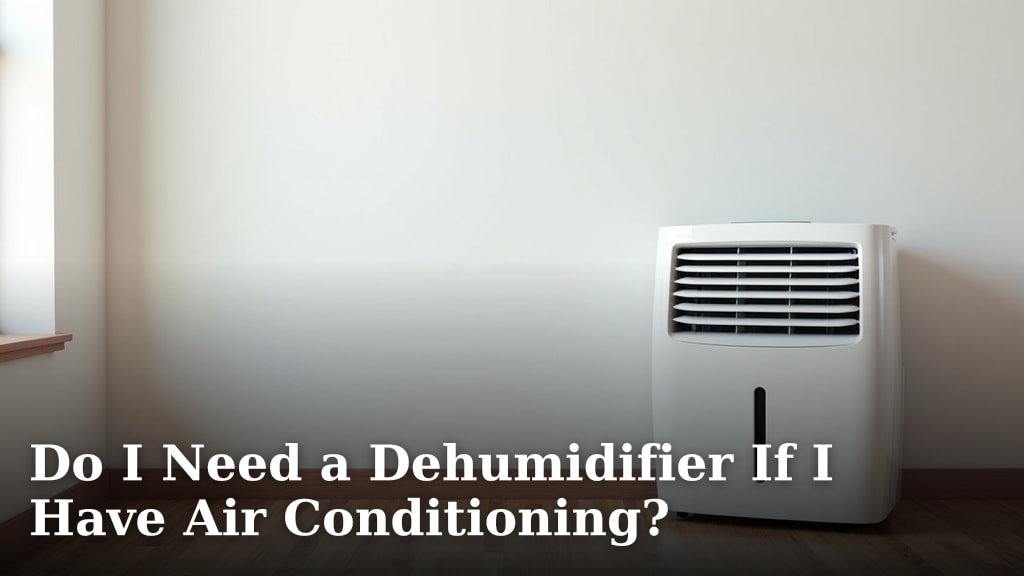
Yes, you might still need a dehumidifier even if you have air conditioning, especially if you live in a humid climate. While AC units remove some moisture, they aren’t always designed to handle extreme humidity levels on their own.
Your AC primarily focuses on cooling the air, not always on dehumidifying it to ideal comfort levels. High indoor humidity can lead to uncomfortable stickiness, musty odors, and even promote mold growth. A dehumidifier works to specifically tackle that excess moisture, making your home feel much better.
- AC cools, but doesn’t always dehumidify enough.
- High humidity makes your home feel warmer and sticky.
- Excess moisture can lead to mold and mildew.
- A dehumidifier can make your AC work more efficiently.
- You’ll feel more comfortable with balanced humidity.
Let’s walk through exactly why your AC might not be enough and when adding a dehumidifier becomes a smart move for your home comfort.
Is an AC Unit Enough for Humidity Control?
No, an AC unit alone is often not enough for optimal humidity control, especially in very humid areas. While it helps, its main job is to cool the air, not to precisely manage moisture levels.
You might think your air conditioner handles everything, right? It cools your home, so it must deal with humidity too. That’s partially true. Your AC unit does remove some moisture as it cools your home. When warm, humid air passes over the cold evaporator coils, the moisture in the air condenses. This water then drains away, usually outside your home. So, it’s definitely doing some dehumidifying work.
However, an AC’s primary goal is to lower the air temperature. It’s designed to hit your thermostat’s temperature setting efficiently. The amount of humidity it removes is a side effect of this cooling process. It doesn’t actively monitor or adjust to maintain a specific humidity level in the way a dedicated dehumidifier does.
We found that many AC systems are simply not built to tackle high humidity as their main function. Think of it like this: your car’s heater makes some noise, but you wouldn’t rely on it to play your favorite music. You’d get a dedicated stereo. The same idea applies here for humidity. If you live somewhere with high outdoor humidity, your AC might struggle to keep your indoor air truly comfortable and dry.
Understanding How ACs Dehumidify
When your AC runs, it pulls warm, moist air from your home. This air passes over a cold coil. Just like a cold drink on a hot day gets condensation on the outside, the water vapor in the air turns into liquid on these coils. This liquid then drips into a drain pan and is routed out of your home. This is the extent of your AC’s dehumidifying action. It’s a natural part of the cooling cycle.
The efficiency of this process depends on several factors. How long your AC runs plays a big role. If your AC is oversized for your home, it might cool the air too quickly. This means it cycles on and off rapidly. A short run cycle doesn’t give the coils enough time to effectively remove a lot of moisture. So, you end up with a cool, but still damp environment.
Also, the temperature you set your thermostat to matters. If you set it to a very high temperature, your AC won’t run as much. Less running means less time for moisture removal. Conversely, if you set it very low, it might run constantly, which helps with humidity, but could also make your home too cold and waste energy.
Signs Your AC Isn’t Enough
How do you know if your air conditioner is falling short in the humidity battle? There are some clear clues your home will give you. Recognizing these signs can help you decide if a dehumidifier is a wise investment for your comfort and home health.
Uncomfortable Indoor Conditions
The most immediate sign is how you feel. Do you ever feel sticky or clammy indoors, even when the thermostat says the temperature is fine? This is a classic symptom of excess humidity. High moisture in the air makes sweat evaporate more slowly from your skin. This makes you feel warmer than the actual temperature. It’s that “heavy” air feeling you might experience.
You might also notice your clothes feel slightly damp, or your bedding doesn’t feel crisp. Towels might take longer to dry after use. These are all indicators that the air has too much moisture. We’ve heard many people describe it as feeling like they’re walking through thick air.
Visible Signs of Excess Moisture
Your home itself can show signs of too much humidity. Look for condensation on windows, especially in the morning or on cooler days. This happens when warm, moist indoor air comes into contact with the cooler glass surface. It’s a clear visual cue that there’s a lot of water vapor in your home.
Another red flag is a musty or moldy odor. This smell often indicates the presence of mold or mildew, which thrives in damp conditions. Check areas like bathrooms, basements, closets, or even behind furniture. If you smell it, there’s likely a hidden moisture problem. We found that even small amounts of unseen mold can cause these distinct smells.
Finally, look for actual mold spots. These can appear as black, green, or white patches on walls, ceilings, grout, or fabrics. Don’t ignore these. Mold can cause health issues and damage your home. (CDC)
The Downsides of High Indoor Humidity
Living with high indoor humidity isn’t just about feeling sticky. It can have several negative impacts on your home, your health, and even your wallet. Understanding these problems can highlight why managing moisture is so important.
Health Concerns
Excessive moisture creates a perfect breeding ground for many unwelcome guests. Mold and mildew are notorious for triggering allergies, asthma symptoms, and other respiratory problems. You might experience coughing, sneezing, itchy eyes, or even skin irritation when mold spores are present. We often hear from people whose allergy symptoms improve dramatically once they control their home’s humidity.
Dust mites also love humid environments. These tiny creatures are a common allergen. Reducing humidity can help control their populations, offering relief to allergy sufferers. High humidity also allows bacteria and viruses to thrive more easily, potentially increasing your risk of colds and flu.
Damage to Your Home and Belongings
Moisture is not a friend to your home’s structure or your cherished possessions. Over time, high humidity can cause wood floors to warp, cabinets to swell, and paint to peel. Wooden furniture can also suffer, leading to cracks or changes in appearance. Musical instruments, like guitars or pianos, are particularly vulnerable to humidity fluctuations, which can affect their tuning and structural integrity.
Books and important documents can become damp and eventually develop mildew or become brittle. Electronics can also be damaged by prolonged exposure to high moisture. Imagine your family photos or important papers getting ruined – a dehumidifier can help protect these items.
Increased Energy Costs
Here’s a surprising fact: high humidity can actually make your AC work harder and use more energy. When the air is very humid, your body struggles to cool itself down through sweating. This makes you feel hotter, so you might turn your thermostat down even lower to feel comfortable. A lower thermostat setting means your AC runs longer and more frequently, consuming more electricity.
Think of it as trying to cool a swimming pool versus trying to cool an empty room. The moisture in the air acts like a heat sink, holding onto warmth. A dehumidifier removes this excess moisture, allowing your AC to cool more efficiently at a higher temperature setting. Many experts agree that lowering indoor humidity by just a few percentage points can make a room feel several degrees cooler without changing the thermostat. (Energy.gov)
The Role of a Dehumidifier
If your AC isn’t cutting it, a dehumidifier steps in as the dedicated moisture manager. It’s designed specifically to pull water vapor out of the air, helping you achieve a truly comfortable and healthy indoor environment.
How a Dehumidifier Works
A dehumidifier operates on a principle similar to your AC, but with a different purpose. It draws in humid air over a set of cold coils. The moisture in the air condenses on these coils, turning into liquid water. This water then drips into a collection bucket or is routed to a drain. The now-dry air is reheated slightly (so it doesn’t make your room colder) and then released back into the room.
The key difference is that a dehumidifier is designed to continuously monitor and adjust based on the humidity level you set. You can tell it, “Keep my home at 50% relative humidity,” and it will work to maintain that level, cycling on and off as needed. It’s a precision instrument for moisture control.
Ideal Humidity Levels
What’s the magic number for indoor humidity? Most experts recommend keeping your indoor relative humidity between 30% and 50%. Aiming for around 40-50% is generally considered ideal for both comfort and health. (EPA)
Levels above 60% are when you start seeing problems like mold growth and feeling uncomfortable. Levels below 30% can also be problematic, leading to dry skin, irritated nasal passages, and static electricity. A good dehumidifier with a humidistat (a sensor that measures humidity) will help you maintain this optimal range automatically.
When to Consider a Dehumidifier
So, given all this, when is it time to seriously think about adding a dehumidifier to your home comfort arsenal? It’s not always necessary for everyone, but certain situations make it a very smart choice.
Assessing Your Home’s Needs
You might need a dehumidifier if:
- You live in a region with high natural humidity, especially during summer.
- You frequently notice a musty smell in your home.
- There’s visible condensation on your windows or cold surfaces.
- You or family members suffer from allergies or asthma that worsen at home.
- Your home feels sticky or clammy even when the AC is running.
- You have a basement, crawl space, or laundry room that consistently feels damp.
If you check off several of these, a dehumidifier is likely a great solution for you.
Consider using a hygrometer. This small, inexpensive device measures the relative humidity in your home. Place it in different rooms. If readings consistently show above 50-55%, then a dehumidifier can definitely help.
Types of Dehumidifiers and Their Applications
Dehumidifiers come in various types, each suited for different needs and spaces. Understanding the options can help you choose the right one for your home.
Portable Dehumidifiers
These are the most common type for residential use. You can move them from room to room as needed. They’re great for specific problem areas like a damp basement, a humid bedroom, or a laundry room. Portable units collect water in a removable bucket that you need to empty regularly. Many also offer a continuous drain option, where you can attach a hose to drain water directly into a floor drain or sink.
When choosing a portable unit, look at its capacity, usually measured in pints of water removed per day. A larger capacity is needed for bigger, wetter spaces. Consider features like a built-in humidistat, auto-shutoff when the bucket is full, and energy efficiency ratings.
Whole-Home Dehumidifiers
For consistent, comprehensive humidity control throughout your entire house, a whole-home dehumidifier is an excellent solution. These units are typically integrated into your existing HVAC system. They work alongside your AC or independently to maintain optimal humidity levels in every room. They drain automatically, so there’s no bucket to empty.
Whole-home systems offer the greatest convenience and efficiency for managing humidity across an entire residence. They are a significant investment upfront but provide superior long-term comfort and protection for your home. Many experts recommend these for homes in very humid climates, where maintaining stable humidity is crucial. (ASHRAE)
Desiccant Dehumidifiers
While less common for general home use, desiccant dehumidifiers are worth knowing about. Instead of using cold coils, they use a material called a desiccant (like silica gel) to absorb moisture from the air. These units are particularly effective in colder temperatures, where traditional refrigerant-based dehumidifiers might struggle (e.g., very cold basements or garages). They are generally quieter but can use more energy. For most homeowners, a refrigerant-based portable or whole-home unit will be the primary choice.
| Feature | AC Unit | Dehumidifier |
|---|---|---|
| Primary Function | Cooling air temperature | Removing moisture from air |
| Dehumidification | Byproduct of cooling; not precise | Primary goal; precise control |
| Comfort Impact | Lowers temperature, some dryness | Reduces stickiness, feels cooler, healthier air |
| Energy Use | Runs to meet temp setting | Runs to meet humidity setting |
| Ideal Humidity Range | Not controlled | Maintains 30-50% RH |
| Cost Savings | High humidity can increase AC use | Can make AC more efficient, save energy |
Benefits of Adding a Dehumidifier
Once you bring a dehumidifier into your home, you’ll likely notice several positive changes. It’s about more than just dry air; it’s about a
Conclusion
While your AC unit does a great job cooling your home, we’ve found it often can’t fully tackle persistent humidity, especially in damp climates. High indoor moisture impacts your comfort, health, and even your utility bills. By understanding the signs of excess humidity and knowing how a dedicated dehumidifier works, you can make a big difference.
If you’re noticing stickiness, musty smells, or visible mold, it’s time to consider adding a dehumidifier. Investing in the right unit can help create a healthier, more comfortable living space and even boost your AC’s efficiency. Take that next step towards a truly dry and comfortable home.
Frequently Asked Questions
Will a dehumidifier make my house feel colder?
No, a dehumidifier’s primary role is to remove moisture, not to cool the air significantly. In fact, by reducing humidity, your home often feels cooler at the same temperature. Some units might slightly increase the air temperature as a byproduct of their operation, but this is usually negligible.
How often should I empty my portable dehumidifier’s water bucket?
The frequency depends on your home’s humidity level and the unit’s capacity. In very humid conditions, you might need to empty it once or twice a day. Many modern units have an indicator light or auto-shutoff when the bucket is full, making it easy to manage.
Can I use a dehumidifier and my AC at the same time?
Absolutely, yes! They work well together. Your AC focuses on cooling, and the dehumidifier handles excess moisture. Using both can create a much more comfortable indoor environment. It can even allow you to set your AC thermostat a bit higher, saving energy.
Where is the best place to put a portable dehumidifier?
Place it in the room or area where you experience the most humidity, such as a damp basement, a humid living room, or a stuffy bedroom. For whole-house benefits, put it in a central location with good airflow. Avoid placing it directly against walls or furniture.
How much electricity does a dehumidifier use?
Electricity usage varies depending on the unit’s size, efficiency, and how often it runs. A typical portable dehumidifier might use similar energy to a large refrigerator. Look for Energy Star certified models to ensure you’re getting an efficient unit, which can save you money on your electricity bills.
