
Can a Dehumidifier Lower a High Electric Bill?
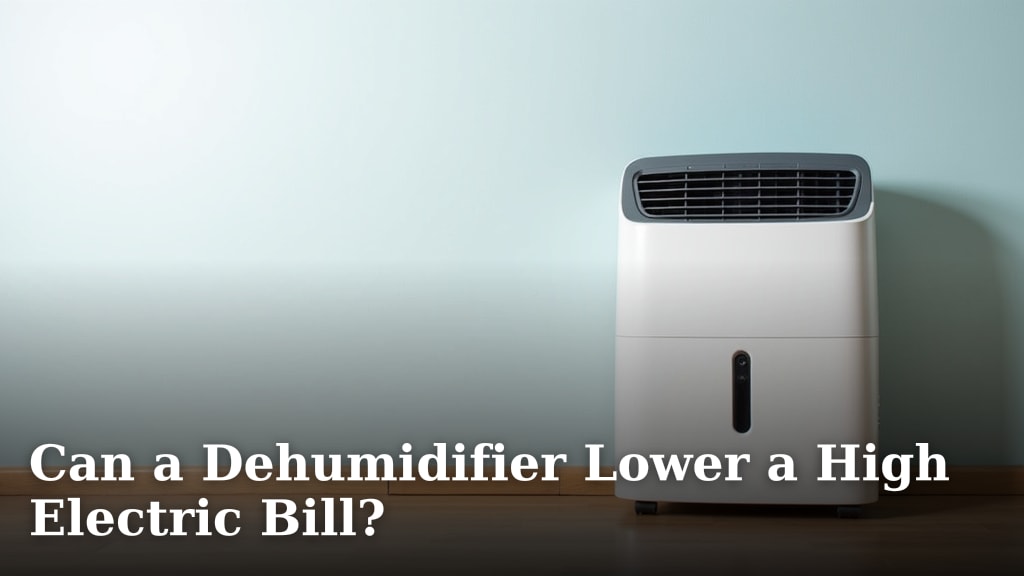
Yes, a dehumidifier can absolutely help lower your high electric bill. By removing excess moisture from your air, it makes your air conditioner work less hard. This means your AC runs for shorter cycles, consuming less electricity. So, a dehumidifier can be a smart energy-saving tool for your home.
Think of it this way: humid air feels hotter than dry air. Your AC has to cool both the air temperature and the moisture content. A dehumidifier takes care of the moisture for it. This reduces the cooling load on your AC. We found that many homeowners notice a difference in their bills.
- Dehumidifiers remove moisture, making air feel cooler.
- Less moisture means your AC doesn’t have to work as hard.
- This can lead to shorter AC cycles and lower energy use.
- A dehumidifier can be a cost-effective addition to your home comfort system.
Let’s dive into exactly how your dehumidifier can become your ally against a sky-high electric bill.
How a Dehumidifier Helps Tame Your Energy Bill
You might be wondering if a dehumidifier can actually make a dent in your electricity costs. The short answer is a resounding yes! It’s not magic, but rather smart science at play. Your dehumidifier works in tandem with your air conditioner to create a more comfortable home environment. And in doing so, it can significantly reduce your AC’s workload, leading to lower energy consumption.
Think about what makes a hot, sticky day feel so miserable. It’s often the humidity, isn’t it? That dampness in the air clings to you, making it harder for your body to cool itself. Air conditioners have to fight this battle every time they run. They cool the air, but they also have to remove that moisture. If there’s a lot of moisture, your AC has to work overtime to achieve the temperature you’ve set.
A dehumidifier takes on a big chunk of that moisture-removal job. It pulls water vapor directly out of the air. This makes your home feel cooler and more comfortable, even at a slightly higher temperature setting. When your AC doesn’t have to work as hard to remove moisture, it runs for shorter periods. This directly translates to less electricity being used. We’ve seen homeowners report noticeable drops in their bills after implementing a dehumidifier.
The Science Behind the Savings
Let’s break down the physics of why this works. When air is humid, it holds more energy in the form of heat and water vapor. Your air conditioner’s primary job is to remove heat. It also removes some moisture as a byproduct. However, it’s most efficient at removing heat. Removing moisture requires extra energy from the cooling coils.
Understanding Relative Humidity
Relative humidity is the amount of water vapor present in the air compared to the maximum amount the air could hold at a specific temperature. When humidity levels are high, the air feels heavy and muggy. This is because the water vapor in the air slows down the evaporation of sweat from your skin. Evaporation is your body’s natural cooling mechanism.
Research indicates that living in environments with high humidity can make temperatures feel much warmer than they actually are. For example, 85°F with 70% humidity can feel as uncomfortable as 95°F with 30% humidity (CDC). Your AC has to work harder to dehumidify and cool the air.
How Dehumidifiers Intervene
A dehumidifier is designed specifically to remove moisture. It pulls air over cold coils, causing water vapor to condense and drip into a collection tank or drain hose. This process directly lowers the relative humidity in your home. By reducing the moisture content, the air becomes less dense and easier for your AC to cool.
When your home’s humidity is lower, your AC won’t have to work as hard to reach and maintain your desired temperature. This means shorter cooling cycles. Imagine your AC as a runner. If you hand them a lighter backpack (less moisture to remove), they can finish their race much faster.
The Impact on Your Air Conditioner
Your air conditioner is likely the biggest energy consumer in your home during warmer months. Anything that can reduce its operational load will have a direct impact on your electricity bill. A dehumidifier is a fantastic tool for this.
Reduced Cooling Load
The “cooling load” is the amount of heat your AC needs to remove to maintain a comfortable temperature. High humidity increases this cooling load. A dehumidifier decreases the latent heat load (heat associated with moisture). This frees up your AC to focus more on sensible heat removal (temperature reduction).
Many HVAC professionals agree that optimal indoor humidity levels are between 30% and 50% (EPA). When humidity creeps above this, your AC struggles. A dehumidifier helps keep your home within this ideal range, easing the burden on your central air system.
Extended AC Lifespan
When your air conditioner runs less often, it experiences less wear and tear. This can lead to a longer operational lifespan for your unit. Think of it like driving your car less; fewer miles mean less maintenance and a longer life for the engine.
While the primary goal here is energy savings, the potential for extending the life of your expensive AC unit is an added benefit. This means fewer costly repairs and replacements down the line, contributing to overall household savings.
When a Dehumidifier is Most Beneficial
Not every home needs a dehumidifier, and its impact on your bill will vary. It’s most effective in certain conditions.
Humid Climates
If you live in a region with consistently high humidity, such as coastal areas or the Southeast United States, a dehumidifier will likely provide the most significant energy savings. These areas often experience high dew points, meaning the air holds a lot of moisture.
Older Homes or Poorly Sealed Homes
Older homes, or those with less efficient insulation and sealing, can allow more humid outdoor air to infiltrate. This makes it harder for your AC to keep up. A dehumidifier can help manage this excess moisture.
Basements and Crawl Spaces
These areas are often naturally cooler and more prone to dampness. They can act as sources of humidity that spread throughout your home. Running a dehumidifier in these spaces can prevent mold growth and reduce the overall humidity burden on your main living areas.
Specific Times of Year
Even in drier climates, you might experience periods of higher humidity, such as during rainy seasons or after particularly warm, wet spells. This is when a dehumidifier can offer the most relief and energy savings.
Calculating Potential Savings: It’s Not Just a Feeling
While it’s hard to give an exact dollar amount without knowing your specific home and usage, we can look at the factors involved. The amount of electricity saved depends on:
- The size and efficiency of your dehumidifier.
- The size and efficiency of your air conditioner.
- The starting and target humidity levels in your home.
- Your local electricity rates.
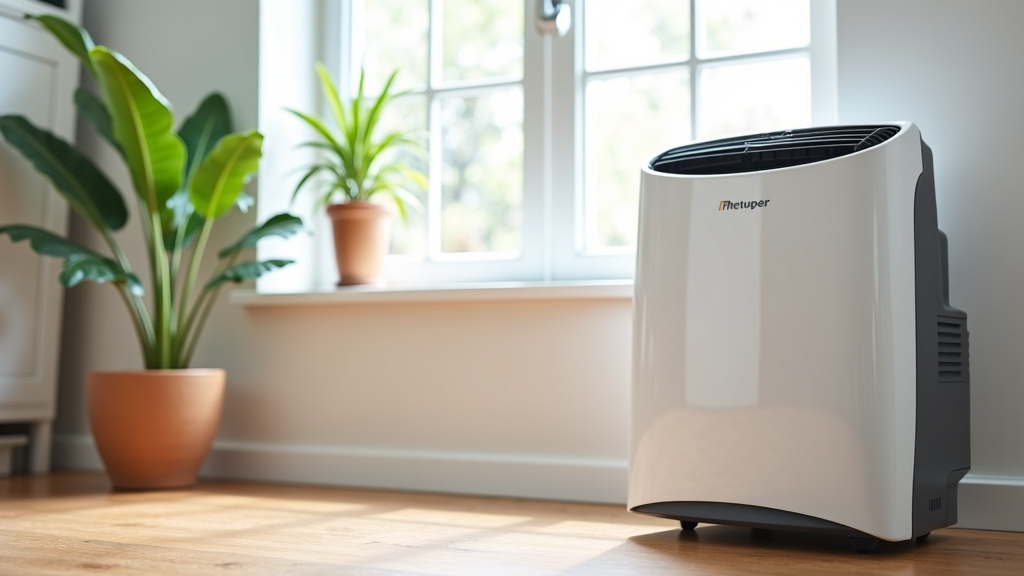
A small, portable dehumidifier uses much less electricity than your central AC. Running a dehumidifier might add a small amount to your bill, but it can subtract a much larger amount from your AC’s usage. We found that many users notice their AC cycles shorten considerably.
Consider this: A typical 1500-watt air conditioner running for one hour uses 1.5 kWh. A good dehumidifier might use 500-800 watts (0.5-0.8 kWh). If your dehumidifier allows your AC to run 15-30 minutes less per hour, you’re saving more energy than the dehumidifier is consuming. This is a net win for your electricity bill.
| Appliance | Typical Wattage | Estimated Energy Use (per hour) |
|---|---|---|
| Central Air Conditioner (medium size) | 1500 – 3500 watts | 1.5 – 3.5 kWh |
| Portable Dehumidifier (medium size) | 500 – 800 watts | 0.5 – 0.8 kWh |
Note: Wattage can vary significantly based on appliance size, age, and efficiency.
Tips for Maximizing Savings with Your Dehumidifier
To get the most bang for your buck from your dehumidifier and see those electric bills shrink, follow these tips:
Set it and Forget It (Almost)
Use the humidistat on your dehumidifier. Set it to your desired humidity level (ideally between 30-50%). Let the unit cycle on and off automatically. This prevents it from running unnecessarily when humidity is already low.
Proper Sizing is Key
Don’t buy a dehumidifier that’s too small for the space. An undersized unit will run constantly without effectively lowering humidity. An oversized unit might cycle too quickly, failing to dehumidify properly and potentially using more energy than needed.
Maintain Your Unit
Keep the air filter clean. A clogged filter restricts airflow, making the unit work harder and less efficiently. Empty the water collection tank regularly or ensure your drain hose is properly connected. A full tank will cause the unit to shut off.
Seal Up Your Home
Close windows and doors when your dehumidifier and AC are running. This prevents humid outdoor air from entering and undoing the work your appliances are doing. Proper home sealing makes both your AC and dehumidifier more effective.
Consider a Whole-House Dehumidifier
For larger homes or consistently humid climates, a whole-house dehumidifier integrated into your HVAC system can be more efficient. It works alongside your furnace and AC, providing consistent humidity control throughout your entire home.
By understanding how humidity affects your home’s comfort and your AC’s performance, you can see how a dehumidifier becomes more than just an appliance. It’s a strategic tool for managing your indoor environment and your energy bills. Ready to take the next step toward a cooler, drier, and more cost-effective home?
Conclusion
You’ve seen how a dehumidifier can be a powerful ally against those high electricity bills. By efficiently removing moisture, it allows your air conditioner to operate with less strain. This means shorter cycles, reduced energy consumption, and a more comfortable home environment. Think of it as a smart investment in both your comfort and your budget. Start by assessing your home’s humidity levels and consider a dehumidifier if you live in a humid climate or notice persistent dampness. Take that step today to enjoy a cooler, drier, and more energy-efficient home!
Frequently Asked Questions
Will running a dehumidifier increase my electric bill?
While a dehumidifier does use electricity, it’s designed to reduce the workload on your much larger and energy-hungry air conditioner. In most humid conditions, the energy saved by your AC running less often will more than offset the energy the dehumidifier consumes. You’re essentially trading a smaller energy expense for a larger one.
How much can a dehumidifier actually save me on my electric bill?
The exact savings vary greatly depending on your home’s humidity levels, your AC’s efficiency, and your local electricity rates. However, research and user reports suggest that in humid environments, a dehumidifier can lead to noticeable reductions in cooling costs. Many homeowners report seeing their AC run significantly less after adding a dehumidifier.
Is it better to use a dehumidifier or just run my AC more?
For high humidity, using a dehumidifier is generally more energy-efficient than relying solely on your AC. Your AC is designed to cool, and while it removes some moisture, it’s not its primary function. A dehumidifier specializes in moisture removal, making your AC more efficient at cooling and ultimately using less energy overall.
Can I leave my dehumidifier running all the time?
Yes, you can generally leave a dehumidifier running as long as needed to maintain your desired humidity level, especially during humid periods. Use the built-in humidistat to set your target (ideally 30-50%), and the unit will cycle on and off automatically. This ensures it only runs when necessary, optimizing energy use. You can generally leave a dehumidifier running to maintain your desired humidity level.
What’s the difference between a dehumidifier and an air conditioner in terms of energy use?
A portable dehumidifier typically uses much less electricity than a central air conditioner. For example, a medium-sized dehumidifier might use 500-800 watts, while a medium AC can use 1500-3500 watts. By offloading the moisture removal task to the dehumidifier, your AC doesn’t have to work as hard or run as long, leading to overall energy savings.
