
How to Clean Mold Off a Dehumidifier Bucket?
The easiest way to clean mold off a dehumidifier bucket is with a solution of water and vinegar. This simple method effectively kills mold and prevents its return. You’ll want to address mold quickly to keep your air clean and your dehumidifier working well. Addressing mold on your dehumidifier bucket is a straightforward DIY task.
A moldy bucket can spread spores into the air you breathe. Keeping your dehumidifier clean ensures it runs efficiently. It also helps maintain the air quality in your home. Many people overlook this maintenance, but it’s essential for a healthy environment. We found that regular cleaning prevents bigger problems.
- Empty the bucket and rinse thoroughly.
- Use a 1:1 water and white vinegar solution.
- Scrub the bucket with a soft brush or cloth.
- Rinse again and let it dry completely.
- Wipe down the dehumidifier’s exterior too.
Ready to get that bucket sparkling clean? Let’s walk through exactly how to tackle that mold, step by step.
“`htmlTackling Mold in Your Dehumidifier Bucket
Seeing a fuzzy, dark patch in your dehumidifier bucket can be a real bummer. But don’t worry, cleaning mold off your dehumidifier bucket is a straightforward DIY task. Mold loves damp, dark places, and that bucket is practically a five-star resort for it. Catching it early is key to keeping your air clean and your dehumidifier running smoothly. We found that regular attention prevents much bigger headaches down the line.
Why Cleaning Your Dehumidifier Bucket Matters
You might be wondering if a little mold in the bucket is really a big deal. Well, it is. That mold isn’t just an eyesore; it can release spores into the air you breathe. This can be a real problem for anyone with allergies or respiratory issues. Plus, a clogged or moldy dehumidifier won’t work as efficiently. It’s like asking a marathon runner to race with a backpack full of rocks. Keeping your dehumidifier clean ensures it can do its job effectively, improving your home’s air quality. Many health organizations, like the CDC, recommend keeping indoor environments clean to prevent mold growth and its associated health risks. Our guide to cleaning your dehumidifier covers bucket care and more.
Gathering Your Cleaning Supplies
Before you dive in, make sure you have everything you need. This will make the process quicker and less messy. You don’t need a lot of fancy equipment for this job. In fact, most of what you need is probably already in your pantry or cleaning closet. Having your supplies ready makes the whole operation feel much smoother.
Essential Cleaning Tools
- White Vinegar: This is your mold-fighting champion.
- Water: For dilution and rinsing.
- Soft Cloths or Sponges: To scrub and wipe. Avoid anything too abrasive.
- Old Toothbrush or Small Scrub Brush: For getting into corners and crevices.
- Gloves: To protect your hands.
- Mask: If you’re sensitive to mold or cleaning fumes, this is a good idea.
- Bucket or Sink: For soaking and rinsing.
Step-by-Step Guide to a Mold-Free Bucket
Ready to get your hands dirty (but not too dirty, thanks to those gloves)? Let’s walk through the cleaning process. We’ve broken it down into simple, manageable steps so you can tackle this with confidence. Remember to work in a well-ventilated area.
Step 1: Empty and Inspect the Bucket
First things first, unplug your dehumidifier. Safety first, always! Then, carefully remove the bucket. You’ll want to empty out any collected water. Don’t just dump it down the drain if you suspect mold; it’s best to pour it directly into the toilet and flush. Then, take a good look at the bucket. Are there just a few spots, or is it looking like a science experiment? This inspection helps you gauge how much elbow grease you’ll need.
Step 2: Prepare Your Cleaning Solution
This is where the magic happens. The most effective and readily available cleaning solution for mold is a simple mixture of white vinegar and water. Research has shown vinegar to be highly effective against many types of mold (NCBI). Aim for a 1:1 ratio of white vinegar to water. So, if you use a cup of vinegar, add a cup of water. Some people like to add a few drops of dish soap, which can help break down any grime, but it’s not strictly necessary for mold removal.
Step 3: Scrub Away the Mold
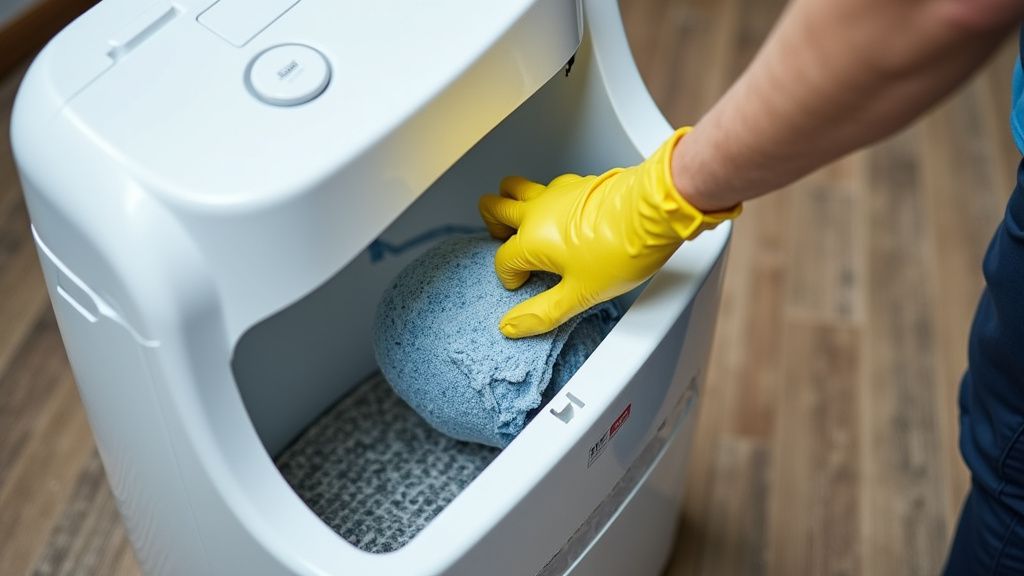
Now, it’s time to get scrubbing. Pour your vinegar and water solution into the bucket. Let it sit for about 10-15 minutes. This gives the vinegar time to work its magic on the mold. After it has soaked, use your soft cloth, sponge, or toothbrush to scrub away all the visible mold and any stains. Pay special attention to the corners, seams, and any textured areas where mold likes to hide. You might need to work a bit harder on stubborn spots. We found that a toothbrush is great for those tricky nooks.
Step 4: Rinse Thoroughly
Once you’ve scrubbed the bucket clean, it’s time to rinse. Rinse the bucket multiple times with clean water. Make sure you get all the vinegar solution and any loosened mold residue out. You don’t want any lingering vinegar smell or mold particles. A good, long rinse is important for a truly clean bucket.
Step 5: Dry the Bucket Completely
This is a critical step that many people overlook. Mold thrives in moisture. You must ensure the bucket is completely dry before putting it back into the dehumidifier. You can air dry it thoroughly, ideally in the sun if possible, as sunlight can also help kill remaining mold spores. Alternatively, you can dry it with clean towels. Ensure there are no damp spots anywhere. A damp bucket is an invitation for mold to return.
Step 6: Wipe Down the Dehumidifier’s Exterior
While you have the cleaning solution handy, it’s a good idea to give the exterior of your dehumidifier a quick wipe-down. Mold spores can settle on surfaces. Use a damp cloth with a bit of your vinegar solution to clean the outside casing. This helps maintain the overall cleanliness of your appliance and your home. Be careful not to get water into any electrical components. Always ensure the unit is unplugged.
What to Do About Stubborn Mold Stains
Sometimes, mold can leave behind tough stains even after scrubbing. If you’re dealing with persistent discoloration, you have a couple of options. You can try a paste made of baking soda and water. Apply it to the stain, let it sit for a while, and then scrub gently. Another option, for very stubborn cases and if the bucket material allows, is a very diluted bleach solution. However, always use bleach with extreme caution. Mix just a tablespoon of bleach with a gallon of water. Never mix bleach with vinegar, as this creates toxic fumes. Rinse very thoroughly if you use bleach. Many experts recommend vinegar as the first and primary method due to its safety profile compared to bleach (EPA).
Preventing Future Mold Growth
Cleaning is great, but preventing mold from returning is even better. How can you keep that bucket looking fresh and mold-free? It all comes down to a few simple habits.
Regular Emptying and Cleaning Schedule
Make it a habit to empty your dehumidifier bucket regularly. Don’t wait until it’s full. The more often you empty it, the less time water sits, and the less opportunity mold has to grow. Aim to check and empty it every day or every other day, depending on your humidity levels. Consider setting a reminder on your phone.
Proper Humidity Levels
Ensure your dehumidifier is set to an appropriate humidity level. Most experts recommend keeping indoor humidity between 30-50% (Mayo Clinic). If your dehumidifier is constantly running on its highest setting, it might indicate a larger humidity issue in your home that needs addressing. Running it too high or too low can create suboptimal conditions. Learn about the appropriate humidity level for your home in our guide.
Good Air Circulation
Good air circulation in the room where your dehumidifier is located can also help. Avoid placing it in a tight, enclosed space. Allowing air to move around the unit helps prevent moisture from becoming stagnant.
Here’s a quick checklist to help you remember the key steps:
- Unplug and remove the bucket.
- Empty collected water safely.
- Mix a 1:1 vinegar and water solution.
- Scrub the bucket thoroughly.
- Rinse multiple times with clean water.
- Dry the bucket completely before replacing.
Conclusion
You’ve now got the knowledge to banish mold from your dehumidifier bucket! Remember, a simple vinegar and water solution is your best friend for a mold-free appliance. Tackling mold promptly isn’t just about appearances; it’s about protecting your home’s air quality and ensuring your dehumidifier runs efficiently. Don’t let mold get a foothold. Your next step is to schedule a quick bucket cleaning into your routine, maybe this weekend, to keep your air fresh and your dehumidifier happy.
Frequently Asked Questions
Can I use a bleach solution to clean mold off my dehumidifier bucket?
While a highly diluted bleach solution can work for stubborn stains, vinegar is generally recommended as the primary cleaner due to safety. If you do use bleach, mix just 1 tablespoon with a gallon of water, and never mix bleach with vinegar as it creates toxic fumes. Always rinse extremely thoroughly if bleach is used.
How often should I clean my dehumidifier bucket?
It’s best to empty and rinse your dehumidifier bucket every 1-2 days, especially in humid conditions. A thorough cleaning with vinegar and water should be done at least once a month, or anytime you notice mold or a musty smell. Regular emptying prevents water from sitting too long, which is key for mold prevention.
My dehumidifier bucket still smells musty even after cleaning. What should I do?
If a musty smell persists, it might mean some mold spores are still present or have settled elsewhere. Ensure the bucket is completely dry before reinserting it. You can also try leaving a small bowl of baking soda inside the dry bucket overnight to absorb odors. Check the dehumidifier’s air filter, as a dirty filter can also contribute to smells.
What if the mold has spread to the inside of the dehumidifier unit itself?
If you see mold inside the dehumidifier unit, you’ll need to unplug it and use a cloth dampened with your vinegar and water solution to gently wipe down the accessible interior parts. Be very careful not to get moisture into the electrical components. Allow the unit to air dry completely before plugging it back in.
Can I just wipe away the mold with a wet cloth instead of using vinegar?
Simply wiping with a wet cloth might remove some surface mold but won’t effectively kill the spores or prevent its return. Vinegar is a natural disinfectant that effectively kills mold and inhibits its regrowth. For a truly mold-free and healthy appliance, using a vinegar solution is essential.
