
What Is a Dehumidifier Humidistat?
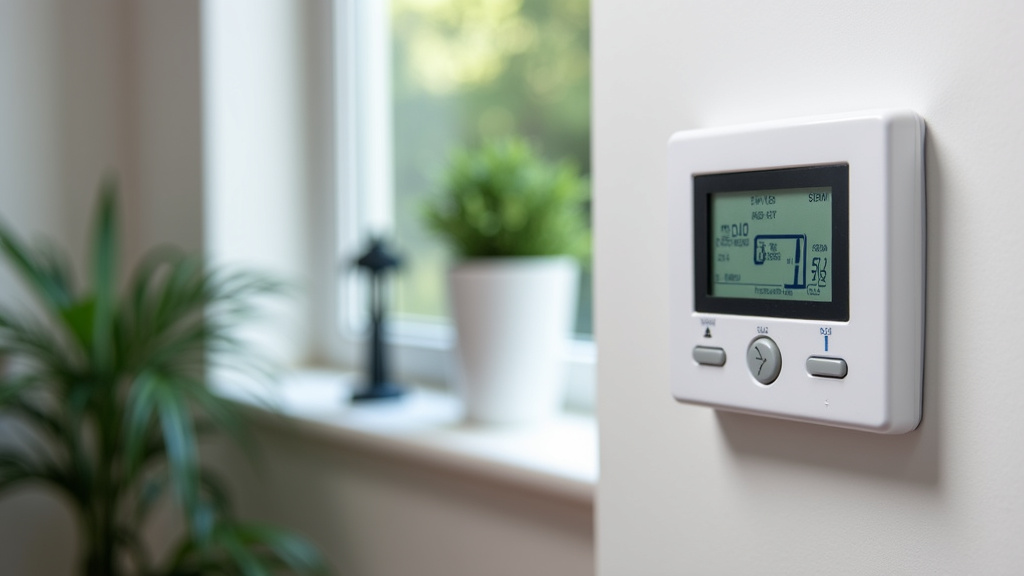
A dehumidifier humidistat is basically the temperature and humidity sensor for your dehumidifier. It tells the machine when to turn on and off. This helps your dehumidifier work efficiently to maintain your home’s ideal humidity level. Think of it as the dehumidifier’s smart brain.
This little component is vital for keeping your home comfortable and healthy. It prevents your dehumidifier from running constantly or not running enough. By accurately measuring moisture in the air, the humidistat ensures your unit prevents mold growth and keeps your air feeling fresh. It’s a key part of your home’s climate control.
- The humidistat is the humidity sensor in your dehumidifier.
- It tells the unit when to start and stop running.
- This helps keep your home’s humidity at the Learn how to set the right level for your home’s humidity.right level.
- It’s key for preventing mold and making your air feel better.
Let’s break down what a dehumidifier humidistat is and how it helps you achieve a more comfortable living space.
Understanding Your Dehumidifier’s Humidity Control
So, what exactly is this little gadget called a humidistat doing inside your dehumidifier? Think of it as the temperature and humidity sensor for your dehumidifier. It’s the part that tells your machine when it’s time to kick into action and when it can take a well-deserved break. Its main job is to keep the moisture level in your home within a comfortable and healthy range, preventing your dehumidifier from running all the time or not running enough. It’s your home’s personal humidity weatherperson.
Without a humidistat, your dehumidifier would be like a car without a steering wheel – it might move, but not in a controlled or useful way. It would just run continuously, wasting energy and potentially drying out your air too much, or it wouldn’t run when you actually need it. This simple component is key to making sure your dehumidifier works efficiently and effectively for you and your home.
What Exactly Does a Humidistat Do?
At its core, a humidistat measures the amount of moisture in the air, also known as relative humidity. It then compares this measurement to a setting you’ve chosen. You, the user, tell the humidistat what humidity level you’re aiming for – usually somewhere between 30% and 50% relative humidity. The humidistat is constantly checking the air. When the humidity level goes above your set point, the humidistat signals the dehumidifier to turn on and start removing excess moisture.
Once the air reaches your desired humidity level, the humidistat tells the dehumidifier to shut off. This cycling on and off is what makes your dehumidifier This cycling on and off makes your dehumidifier run only when needed.energy-efficient. It only runs when it needs to, saving you money on your electricity bill and reducing wear and tear on the machine. It’s a smart system designed to maintain your comfort automatically.
How Humidistats Measure Humidity
There are a couple of main ways humidistats go about their business of measuring humidity. The technology used can affect how accurate and responsive the humidistat is.
Mechanical Humidistats
Older or simpler dehumidifiers might use a mechanical humidistat. These often rely on materials that change shape or size with changes in humidity. For example, some might use a strip made of two different metals bonded together. As humidity increases, one metal expands more than the other, causing the strip to bend. This bending action can then trigger a switch to turn the dehumidifier on or off. Think of it like a tiny, sensitive ruler that bends with the moisture in the air.
Electronic (Digital) Humidistats
Most modern dehumidifiers come equipped with electronic or digital humidistats. These are generally more accurate and responsive than their mechanical counterparts. They use electronic sensors, such as capacitive or resistive sensors, to detect moisture in the air. A capacitive sensor measures changes in electrical capacitance as moisture levels change, while a resistive sensor measures changes in electrical resistance. These sensors send an electrical signal to the dehumidifier’s control board, which then makes the decision to run or stop.
Why Your Humidistat Setting Matters
The setting you choose on your humidistat is crucial. It’s your way of communicating your comfort and health goals to the machine. Setting it too low, for instance, might cause the dehumidifier to run constantly, which isn’t usually necessary and can lead to overly dry air. Setting it too high means you might not be removing enough moisture, potentially allowing mold and mildew to thrive.
Many experts and health organizations recommend keeping indoor humidity levels between 30% and 50% (Centers for Disease Control and Prevention). This range is generally considered optimal for comfort and for inhibiting the growth of common household allergens like dust mites and mold. Your humidistat is the tool that helps you maintain this ideal balance.
The Role of the Humidistat in Dehumidifier Operation
Let’s walk through how the humidistat works in real-time. Imagine you’ve set your humidistat to 45%. The air in your room is currently at 60% humidity – maybe it’s a steamy summer day or you’ve just finished a long shower. The humidistat detects this higher-than-desired humidity level.
It then sends a signal to the dehumidifier’s motor and compressor, telling them to start up. The dehumidifier begins pulling air in, cooling it to condense the moisture, and releasing drier air back into the room. As this process continues, the humidity level in the room starts to drop. The humidistat is constantly monitoring this change.
When the Humidistat Calls for a Break
Once the air in the room dips down to, or slightly below, your set point of 45%, the humidistat senses this. It sends another signal, this time telling the dehumidifier to power down. The fan might continue to run for a short period to circulate the air and get a final reading, but the cooling cycle stops. This prevents the dehumidifier from overworking and keeps the humidity from dropping too low.
This on-and-off cycle ensures your dehumidifier is only working when necessary. It’s a smart, automated process that keeps your environment comfortable without you having to constantly adjust settings or worry about the unit running unnecessarily. This automatic operation is what makes dehumidifiers so convenient.
Humidistat Settings: Finding Your Sweet Spot
Choosing the right humidistat setting is a bit of an art and a science. There isn’t one magic number that works for everyone, everywhere. Several factors come into play.
Understanding Recommended Levels
As mentioned, the general consensus from health authorities is to aim for 30% to 50% relative humidity. Why this range? Below 30%, the air can become too dry. This can lead to dry skin, irritated sinuses, and static electricity. It can also make wooden furniture and musical instruments more susceptible to cracking (Environmental Protection Agency). On the other hand, humidity above 50% can create an environment where mold, mildew, and dust mites can flourish, contributing to allergies and respiratory problems.
Factors Influencing Your Ideal Setting
Your personal comfort is a big factor. Some people feel perfectly comfortable at 40%, while others prefer closer to 50%. You’ll want to pay attention to how the air feels. Does it feel crisp and clean, or a little sticky?
The season also plays a role. In the humid summer months, you’ll likely need to run your dehumidifier more often, perhaps aiming for the lower end of the recommended range (e.g., 35-45%) to combat that sticky feeling. In the winter, especially if you use a furnace, the air can become very dry. You might not need the dehumidifier at all, or you might need to set it higher (e.g., 40-50%) if you’re using humidifiers in other rooms.
We found that many users benefit from observing their home’s natural humidity levels first. Using a separate hygrometer (a device that measures humidity) can give you a baseline before you start setting your dehumidifier. Then, adjust your humidistat up or down in increments of 5% until you find that perfect balance of comfort and dryness.
Troubleshooting Common Humidistat Issues
Sometimes, your dehumidifier might not be behaving as expected, and the humidistat could be the culprit. If your unit is constantly running, or not running at all when you think it should be, the humidistat might need attention.
Dehumidifier Runs Constantly
If your dehumidifier seems to be running nonstop, even after the air feels dry, the humidistat might be stuck in the “on” position or not accurately sensing the humidity. This could be due to a buildup of dust or debris on the sensor, or a malfunction in the mechanism. In some cases, the setting might simply be too low for the current conditions.
Dehumidifier Never Turns On
Conversely, if you feel your home is too damp, but the dehumidifier refuses to start, the humidistat might be faulty, stuck in the “off” position, or incorrectly reading the air as drier than it actually is. Again, dust or a more serious internal issue could be the cause. Ensure your set point isn’t accidentally set to a very high, dry level.
Tips for Addressing Humidistat Problems
Before calling for service, try these simple steps:
- Clean the sensor: Most manufacturers recommend gently cleaning the humidistat sensor area as part of regular maintenance. Check your owner’s manual for specific instructions, as it often involves dusting or vacuuming around the intake vents.
- Check the setting: Double-check that your humidistat is set to your desired level and not accidentally set to an extreme.
- Inspect for blockages: Ensure air vents around the humidistat are not blocked by dust, curtains, or other objects.
- Consider recalibration: Some advanced models might allow for recalibration. Consult your manual.
If these steps don’t resolve the issue, it might indicate a need for professional repair or replacement of the humidistat component.
Humidistat vs. Hygrometer: What’s the Difference?
It’s easy to get these two terms mixed up, but they serve different purposes. A humidistat is a component *within* your dehumidifier that controls its operation based on humidity levels. A hygrometer, on the other hand, is a standalone device solely designed to *measure* and display the relative humidity in the air. You might use a hygrometer to check the accuracy of your humidistat or to understand the general humidity conditions in your home.
Think of it this way: the humidistat is the thermostat for humidity – it senses and acts. The hygrometer is like a thermometer for humidity – it just tells you what the current temperature (or in this case, humidity) is. Many people find having both helpful for complete climate control.
The Importance of a Working Humidistat for Your Home
In summary, the humidistat is the unsung hero of your dehumidifier. It’s the intelligent part that ensures your appliance works efficiently to maintain a healthy and comfortable environment. By accurately sensing and responding to your home’s humidity, it plays a vital role in:
- Preventing mold and mildew growth, which can damage your home and affect your health.
- Reducing that uncomfortable sticky feeling in humid weather.
- Minimizing musty odors often associated with high humidity.
- Helping to alleviate allergy and asthma symptoms triggered by moisture-loving pests like dust mites.
- Protecting your belongings, such as wood furniture, electronics, and books, from moisture damage.
Having a properly functioning humidistat means your dehumidifier is doing its job without wasting energy, keeping your living space pleasant and healthy.
Conclusion
You’ve learned that the humidistat is your dehumidifier’s brain, a smart sensor that keeps your home’s moisture levels just right. It’s the key to preventing mold, stopping that sticky feeling, and even helping your allergies. By understanding how it works and setting it correctly, you ensure your dehumidifier runs efficiently, saving energy and keeping your living space comfortable. Pay attention to your home’s needs and adjust the setting as needed to find that sweet spot for your health and comfort. Keeping an eye on your humidistat settings is a simple yet effective way to manage your indoor environment.
Frequently Asked Questions
How do I know if my humidistat is working correctly?
You can often tell if your humidistat is working by observing your dehumidifier’s behavior. If it cycles on and off appropriately and maintains your desired humidity level, it’s likely functioning well. If it runs constantly or never turns on, it might need attention.
Can I adjust the humidistat setting on my dehumidifier?
Yes, absolutely! Your dehumidifier’s humidistat has a setting that you can adjust, usually on the control panel. This allows you to tell the unit what percentage of humidity you want to maintain in your home.
What’s the difference between a humidistat and a thermostat?
A humidistat controls humidity levels by turning a dehumidifier on and off. A thermostat controls temperature by managing your heating or cooling system. They both work to maintain a comfortable indoor environment but focus on different aspects of climate control.
Do I need to clean my dehumidifier’s humidistat?
Yes, regular cleaning is recommended. Dust and debris can accumulate on the humidistat sensor, affecting its accuracy. Check your dehumidifier’s manual for specific cleaning instructions, but usually, gentle dusting around the vents is sufficient.
What is the ideal humidistat setting for a basement?
For basements, which are prone to dampness, a setting between 40% and 50% relative humidity is generally recommended. This helps prevent mold growth and musty odors without making the air too dry.
