
Do I Really Need a Dehumidifier?
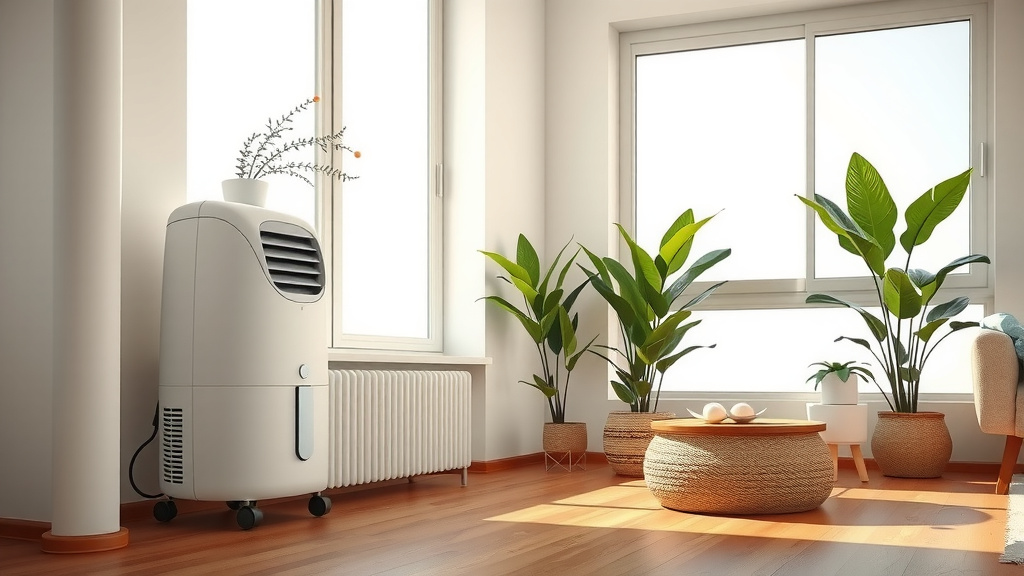
You likely need a dehumidifier if your home consistently feels sticky, smells musty, or shows signs of mold growth. High indoor humidity, often above 60%, creates an uncomfortable environment and can damage your property.
A dehumidifier helps maintain optimal indoor humidity, protecting your health and your home from moisture-related problems. It removes excess moisture, making your space feel much more pleasant and safer.
- TL;DR: If your home feels damp or smells musty, you probably need a dehumidifier.
- High humidity causes mold, dust mites, and makes your air feel heavy.
- Dehumidifiers improve air quality and protect your home’s structure.
- Target a humidity level between 30% and 50% for comfort.
- Consider one for basements, bathrooms, or humid climates especially.
Do I Really Need a Dehumidifier?
Yes, you likely need a dehumidifier if you experience signs of excess moisture in your living space. This includes a damp feeling, condensation on windows, or persistent musty odors.
Spotting the Signs: Is Your Home Too Humid?
Ever walk into your home and feel a strange stickiness in the air? That’s a common sign. You might also notice a damp, earthy smell, especially in areas like the basement or bathroom. These are your home’s ways of telling you it’s holding onto too much moisture.
Visual Cues of High Humidity
Look for condensation on windows, particularly in the mornings. You might see water stains on walls or ceilings. Peeling paint or wallpaper can also point to high moisture levels. Even warped wood floors or sticky doors are hints.
The Unseen Threats: Mold and Dust Mites
High humidity creates a perfect breeding ground for mold and mildew. You might smell mold before you see it. Many experts say that dust mites also thrive in humid conditions (EPA). These tiny creatures can worsen allergies and asthma.
Why High Humidity Is a Problem for You
Think of humidity as a heavy blanket over your home. It makes you feel warmer than it actually is. It also creates a less healthy environment. Let’s explore why you should care about this.
Impact on Your Health and Comfort
Living in a humid home can make you feel sluggish and sticky. It can also cause respiratory issues for some people. Research often connects high indoor humidity to increased allergy symptoms (NIH). This happens because of mold and dust mite growth.
Damage to Your Home and Belongings
Excess moisture isn’t just uncomfortable; it can be destructive. It can damage wood furniture, electronics, and musical instruments. Books and photos can warp or grow mold. We found that sustained high humidity can even affect your home’s structure over time.
How a Dehumidifier Works Its Magic
Imagine a mini vacuum cleaner for moisture. That’s essentially what a dehumidifier does. It pulls in humid air, cools it to condense the moisture into water, and then releases drier air back into your room. It’s a continuous cycle that gradually lowers the humidity.
Choosing Your Dehumidifier: A Quick Guide
Not all dehumidifiers are the same. Some are small and portable, great for a single room. Others are larger, designed for whole basements or homes. Understanding your options helps you pick the right one. We found that the size of your space and humidity level dictate the best choice.
| Type of Dehumidifier | Ideal Use Case | Key Feature |
|---|---|---|
| Portable/Residential | Single rooms, small apartments | Easy to move, plug-and-play |
| Whole-House (HVAC) | Entire home, integrated system | Automatic, low maintenance |
| Desiccant | Cooler environments (e.g., garages) | Works well at lower temperatures |
Sizing It Right: How Big of a Dehumidifier Do I Need?
This is important for effectiveness. Dehumidifier capacity is measured in pints of water removed per day. For example, a damp 500 sq ft room might need a 10-pint unit. A very wet 2,500 sq ft basement could need a 50-pint unit. Many experts suggest checking the AHAM standards for proper sizing guidance.
Where Should I Place My Dehumidifier for Best Results?
Place your dehumidifier in the most humid area of your home. This is often the basement, crawl space, or a damp bedroom. Keep it away from walls and furniture. This allows for good airflow, helping it work more efficiently. Think of it like a fan; it needs space to breathe.
The Sweet Spot: Ideal Humidity Levels for Your Home
Your goal is to maintain indoor relative humidity between 30% and 50%. This range discourages mold growth and dust mites. It also makes your home feel much more comfortable. Too low, and your air can feel dry; too high, and problems begin.
Here’s a quick checklist for common problem areas:
- Basement: Aim for 40-50%
- Living Areas: Keep it between 30-50%
- Bedrooms: Often benefit from 30-50%
- Bathrooms (after use): Ventilate well, then dehumidify if needed
- Laundry Room: Focus on good ventilation
When Are Dehumidifiers Most Useful?
Dehumidifiers shine during specific times. They are especially helpful in humid climates, like coastal regions. During rainy seasons or hot, sticky summers, they become essential. If your home has a recurring damp issue, it’s a year-round solution for you.
Keeping It Running: Maintenance Tips
Just like any appliance, a dehumidifier needs a little care. You’ll need to empty the water reservoir regularly. Some models have a drain hose for continuous draining. Also, clean the air filter monthly. This keeps the unit working efficiently and prolongs its life. A clean filter helps avoid energy waste, too.
Cost Considerations: What to Expect
The cost of a dehumidifier varies. Small, portable units can start around $150. Larger, more powerful units might cost $300-$500 or more. Consider the energy usage too. An Energy Star certified model can save you money on electricity bills over time. It’s an investment in your home’s health.
Beyond the Machine: Other Ways to Fight Humidity
While a dehumidifier is powerful, other steps help. Proper ventilation in kitchens and bathrooms is key. Fix any leaky pipes or roofs promptly. Ensure your gutters drain water away from your foundation. These actions work together with your dehumidifier for best results.
Conclusion
Deciding if you need a dehumidifier comes down to your home’s unique situation. If you’re experiencing musty smells, sticky air, or visible moisture signs, a dehumidifier can be a game-changer. It offers a practical solution to maintain comfortable, healthy indoor air quality. This also protects your home from moisture damage. It’s about taking control of your indoor environment and creating a space that feels truly good.
FAQs
How do I know if my home’s humidity is too high?
You can use a hygrometer, a small device that measures humidity. If the reading consistently stays above 50-60%, your home is too humid. Other signs include a damp smell, condensation on windows, or mold spots.
Can a dehumidifier help with allergies or asthma?
Yes, many experts say that by reducing humidity, a dehumidifier can lessen triggers like dust mites and mold. These allergens thrive in damp conditions. Lowering humidity helps create a less hospitable environment for them, potentially easing symptoms for some individuals.
Will a dehumidifier raise my electricity bill significantly?
The electricity usage depends on the unit’s size, efficiency, and how often it runs. Energy Star-rated models are more efficient. While there will be an added cost, the benefits of improved air quality and home protection often outweigh it. Also, drier air can feel cooler, sometimes allowing you to set your AC thermostat higher.
How often should I empty the water tank?
This varies greatly based on your home’s humidity and the dehumidifier’s capacity. In very humid conditions, you might need to empty it once or twice a day. Many units have an auto-shutoff when the tank is full. Some offer a continuous drain option with a hose, which is very convenient.
Can I use a dehumidifier in a room with plants?
Yes, you can. However, be mindful that many plants prefer higher humidity levels than humans do. If the dehumidifier makes the air too dry, your plants might suffer. You might need to balance the dehumidifier’s use or place plants in a separate area if they are sensitive to dry air.
