
Do Mini Split Heat Pumps Dehumidify?
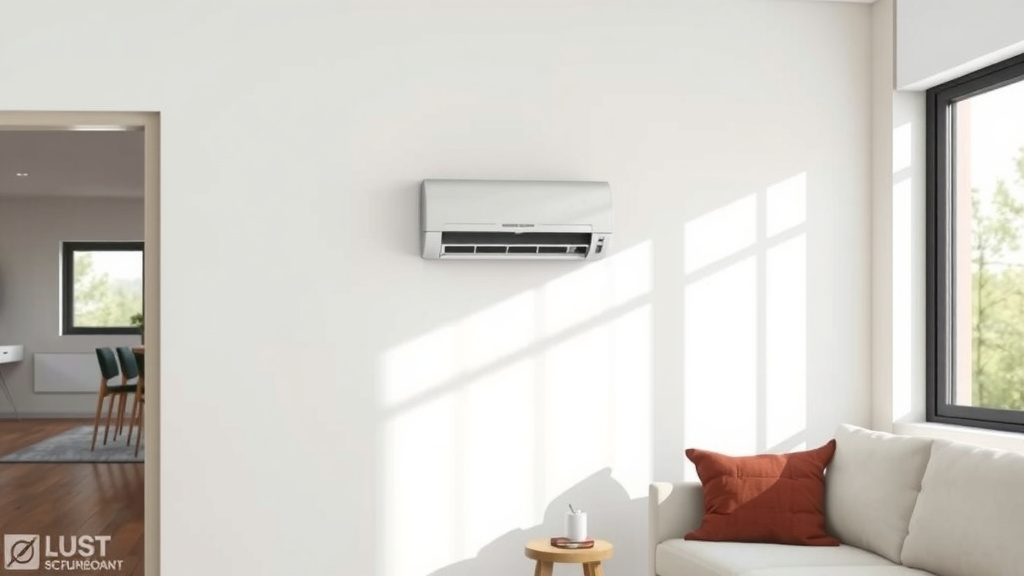
Yes, mini-split heat pumps do dehumidify your home, but their primary function is temperature control. They naturally remove some moisture from the air as part of their cooling process, making your living space feel more comfortable.
A mini-split cools by drawing in warm, humid air and passing it over cold evaporator coils, causing water vapor to condense and drain away, thus actively reducing indoor humidity levels.
- Mini-split heat pumps offer some dehumidification during cooling cycles.
- They remove moisture by condensing water vapor on cold coils.
- Their dehumidifying power is often a byproduct of cooling, not their main goal.
- For very high humidity, you might need a dedicated dehumidifier.
- Proper sizing and usage influence how well a mini-split handles moisture.
Do Mini Split Heat Pumps Dehumidify?
Absolutely, mini-split heat pumps remove humidity from your home. When your mini-split cools, it naturally pulls moisture out of the air.
Understanding How Mini Splits Tackle Humidity
Think of your mini-split like a cold glass of iced tea on a hot day. What happens to the outside of the glass? It sweats, right?
That “sweat” is condensation from the air. Your mini-split unit works similarly inside its coils.
As warm, humid air from your room passes over the mini-split’s cold evaporator coil, the moisture in the air condenses. It turns into liquid water.
This liquid water then collects and drains away through a small pipe. This process is how your mini-split actively dehumidifies your indoor environment.
The Science Behind Moisture Removal
When your mini-split runs in cooling mode, it removes both sensible heat (the temperature you feel) and latent heat (the heat stored in water vapor).
Removing latent heat is essentially what takes moisture out of the air. We found that the cooler your coils are, the more effective they are at extracting this moisture.
Dehumidification: A Byproduct, Not the Main Mission
While mini-splits do dehumidify, it’s generally a secondary effect of their cooling function. Their main job is to adjust the temperature.
If your primary concern is very high humidity, and not necessarily cooling, a mini-split might not be as effective as a dedicated unit. Many experts say that mini-splits excel at temperature control (HVAC industry research).
When is Mini-Split Dehumidification Sufficient?
For most homes with moderate humidity levels, a mini-split heat pump often does a great job. You will definitely feel the difference.
If you live in a climate where humidity isn’t extreme, or if your home is well-sealed, your mini-split might be all you need.
Research suggests that comfortable humidity levels are typically between 30% and 50% (EPA guidelines). A mini-split often helps you stay within this range.
Factors Affecting Dehumidifying Performance
Several things can influence how well your mini-split handles humidity. Are you getting the most out of your system?
- Fan Speed: A lower fan speed lets air spend more time over the cold coils, leading to more condensation and better dehumidification.
- Temperature Settings: Setting your unit to a cooler temperature means colder coils, which can remove more moisture.
- Unit Sizing: An oversized unit might cool your room too quickly and cycle off before it has a chance to thoroughly dehumidify.
- Home Insulation: A well-insulated home helps keep humid outdoor air from sneaking inside, making your mini-split’s job easier.
The “Dry Mode” Feature: A Closer Look
Many mini-split units have a “Dry Mode” or “Dehumidify Mode.” This special setting is designed to prioritize moisture removal.
In dry mode, the unit often runs its fan at a lower speed and cycles the compressor differently. This helps it extract more moisture without over-cooling the room.
It’s a clever trick to make your space feel less sticky, even on a warm, muggy day. Try it out when you feel that clammy sensation.
Mini-Split Dehumidification vs. Dedicated Dehumidifiers
It’s like comparing a Swiss Army knife to a specialized tool. Both do similar things, but one is designed specifically for the task.
| Feature | Mini-Split Heat Pump | Dedicated Dehumidifier |
|---|---|---|
| Primary Function | Temperature control (heating/cooling) | Moisture removal |
| Dehumidification | Byproduct of cooling; “Dry Mode” enhances | Main focus, highly efficient |
| Energy Usage | Higher for full cooling/dehumidifying | Lower for just dehumidifying |
| Best For | Moderate humidity, general comfort | High humidity, specific problem areas |
Signs You Might Need More Dehumidification
Even with a mini-split, sometimes humidity can be a stubborn problem. How can you tell if you need extra help with moisture?
- Damp or musty smells.
- Condensation on windows or cold surfaces.
- Sticky or clammy feeling on your skin.
- Mold or mildew growth.
- Allergy symptoms worsening due to mold spores.
If you notice these signs, your mini-split might be struggling to keep up with the moisture load.
When to Consider a Dedicated Dehumidifier
If your home consistently feels muggy, even when your mini-split is running, a dedicated dehumidifier might be a worthwhile addition.
It’s especially true for basements, laundry rooms, or areas prone to flooding. These machines are built to pull a lot of moisture out of the air.
Many experts suggest that separate dehumidifiers are very effective for targeting specific problem areas (home comfort guides).
Optimizing Your Mini-Split for Better Dehumidification
You can help your mini-split do its best work. Simple habits can make a real difference in your home’s comfort.
- Keep doors and windows closed when running the unit.
- Use the “Dry Mode” on humid days.
- Ensure your filters are clean for optimal airflow.
- Consider routine professional maintenance to keep coils clean.
- Seal any air leaks in your home to prevent humid outdoor air intrusion.
These steps help your mini-split work more efficiently at both cooling and dehumidifying.
Conclusion
Yes, mini-split heat pumps absolutely dehumidify your home as they cool, making your living spaces feel much more comfortable. While they aren’t dedicated dehumidifiers, their ability to remove moisture is a valuable feature.
For most situations, your mini-split will manage humidity well, especially with the use of its “Dry Mode.” However, if you live in an extremely humid climate or have persistent moisture problems, a dedicated dehumidifier can certainly offer additional support. Listen to your home – it will tell you what it needs.
How does a mini-split remove moisture from the air?
A mini-split removes moisture by drawing warm, humid air over its cold evaporator coils. The water vapor in the air condenses into liquid on these cold surfaces, which then drains away, effectively reducing humidity.
Does running a mini-split in “Dry Mode” save energy compared to “Cool Mode”?
Generally, running a mini-split in “Dry Mode” can use less energy than “Cool Mode” because it often operates the compressor at a lower capacity and the fan at a slower speed. This prioritizes moisture removal over aggressive cooling, leading to lower power consumption.
Can an oversized mini-split unit cause humidity problems?
Yes, an oversized mini-split unit can sometimes contribute to humidity problems. It might cool your home too quickly and then shut off before it has enough time to adequately dehumidify the air, leaving a clammy feeling even if the temperature is cool.
What is the ideal indoor humidity level for comfort and health?
Many experts and health organizations suggest maintaining indoor humidity levels between 30% and 50% for optimal comfort and health. This range helps prevent the growth of mold and dust mites while keeping your home from feeling too dry or too damp.
Do mini-splits dehumidify when they are in heating mode?
No, mini-splits do not dehumidify when operating in heating mode. In fact, heating mode can sometimes make the air feel drier by lowering its relative humidity. Dehumidification primarily occurs during the cooling process when moisture condenses on cold coils.
