
Does a Dehumidifier Actually Work?
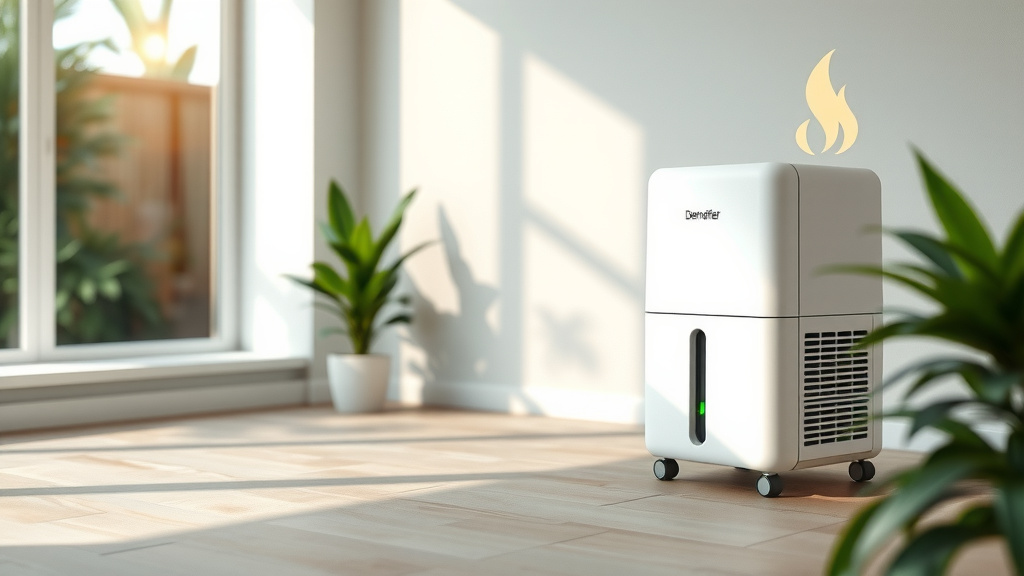
Yes, a dehumidifier absolutely works by removing excess moisture from the air, making your indoor environment more comfortable and healthier. It effectively pulls humidity out of a space, preventing issues like mold growth and musty odors.
You will notice a significant difference in air quality and feel a dryer atmosphere when a dehumidifier is actively running in your home.
TL;DR: Here’s what you need to know about dehumidifiers at a glance:
- Dehumidifiers are highly effective at reducing indoor humidity levels.
- They prevent mold, mildew, dust mites, and associated health issues.
- Choosing the right size and type for your space is essential for optimal results.
- Proper placement and maintenance ensure your dehumidifier works efficiently.
- Many households find a dehumidifier improves comfort and protects their home significantly.
Does a Dehumidifier Actually Work?
Yes, without a doubt, a dehumidifier truly works by drawing out surplus moisture from the air, creating a much more pleasant living space for you.
Understanding Humidity in Your Home
Have you ever walked into a room and felt that heavy, sticky air? That’s high humidity, and it’s essentially the amount of water vapor floating around. We often find that indoor humidity levels above 50-60% can start causing problems (CDC).
Think of your home’s air like a sponge. When it gets too full of water, it feels damp and uncomfortable. This excess moisture affects not only your comfort but also your home’s structure and even your health.
How Does a Dehumidifier Pull Moisture Out?
It’s simpler than you might imagine! Most dehumidifiers work a lot like a refrigerator. They draw warm, moist air over a very cold coil.
As the air cools, the water vapor condenses into liquid droplets. These droplets then collect in a removable water tank or drain away through a hose. The now drier, slightly warmer air is then released back into the room.
It’s a continuous cycle, making your air progressively drier. You’ll be surprised by how much water can collect in the tank!
The Science Behind Dry Air
This process is called condensation. Just like a cold drink glass “sweats” on a warm day, the dehumidifier’s coils gather moisture from the air. We found that this method is very efficient for typical home use.
Why You Might Need a Dehumidifier
You might wonder if you really need one. Many experts say that keeping indoor humidity balanced is key for a healthy home. If you notice certain signs, a dehumidifier could be your solution.
Combating Mold and Mildew Growth
High humidity creates a perfect breeding ground for mold and mildew. These fungi thrive in damp environments, often appearing as black spots on walls or a fuzzy film on surfaces. They can damage your property and look unsightly.
A dehumidifier actively removes the moisture mold needs to grow. It helps keep those pesky spores from taking over your bathroom, basement, or other damp areas.
Easing Allergy and Asthma Symptoms
Are you or your family members sneezing more often indoors? High humidity also encourages dust mites, a common allergen. These tiny creatures love moist air.
By reducing humidity, you make your home less hospitable for dust mites, potentially alleviating allergy and asthma symptoms (NIH). It creates a cleaner breathing environment.
Eliminating Musty Odors and Damp Feelings
That persistent musty smell often signals excess moisture. It’s not just unpleasant; it means something damp is likely present. A dehumidifier tackles the root cause of these odors.
You’ll notice your home feels lighter, fresher, and less “heavy” or “sticky.” It transforms a damp, dreary space into a comfortable one.
Protecting Your Home and Belongings
Excess moisture can damage wooden furniture, electronics, books, and even structural elements of your home. Warping wood floors or peeling paint are common indicators.
A dehumidifier acts as a protector, safeguarding your valuable possessions and the integrity of your house. It helps maintain the quality and longevity of everything inside.
Signs Your Home Needs a Dehumidifier
Not sure if you need one? Look for these clear indicators around your home. You might be surprised by how many you spot!
- Condensation on windows: Visible moisture droplets or fogging.
- Musty smells: A damp, earthy odor, especially in basements or closets.
- Mold or mildew spots: Black, green, or white patches on walls, ceilings, or fabrics.
- Sticky feeling in the air: Your skin feels clammy even when it’s not extremely hot.
- Allergy flare-ups: Increased sneezing, coughing, or congestion indoors.
- Peeling paint or wallpaper: Moisture can cause coverings to lift.
Choosing the Right Dehumidifier for You
With so many options, how do you pick? It mostly depends on the size of your space and how humid it typically gets. We found that matching capacity to area is key.
Types of Dehumidifiers Explained
Let’s look at the main types you’ll encounter:
Refrigerant (Compressor) Dehumidifiers
These are the most common type for homes. They use a compressor to cool coils and condense moisture. They work best in warmer, very humid environments, typically above 65°F. They are generally energy-efficient in these conditions.
Desiccant Dehumidifiers
Instead of a compressor, these units use a special material that absorbs moisture from the air. They perform well in cooler temperatures, even below 40°F, making them a good option for cold basements or garages. They can be a bit noisier and use more energy than compressor types in warmer settings.
Whole-House Dehumidifiers
These are integrated into your home’s HVAC system, providing dehumidification throughout your entire house. They offer consistent humidity control without needing to empty water tanks. They are a bigger upfront investment but provide complete coverage.
Selecting the Right Capacity (Sizing Guide)
Dehumidifier capacity is measured in pints of water removed per day. Here’s a general guide that many experts suggest:
| Area Size (Square Feet) | Moisture Level | Recommended Capacity (Pints/Day) |
|---|---|---|
| 500 sq ft | Slightly Damp (50-60% RH) | 10-20 Pints |
| 500 sq ft | Very Damp (60-70% RH) | 20-30 Pints |
| 1000 sq ft | Moderately Damp (50-60% RH) | 20-30 Pints |
| 1000 sq ft | Extremely Damp (>70% RH) | 30-40 Pints |
| 1500 sq ft | Very Damp (60-70% RH) | 40-50 Pints |
Optimal Placement and Maintenance Tips
Even the best dehumidifier won’t work perfectly if it’s not placed or maintained correctly. A little effort goes a long way!
Where to Place Your Dehumidifier for Best Results
Place your unit in the room with the highest humidity. Basements, crawl spaces, and laundry rooms are common hot spots. Ensure there’s plenty of airflow around the unit, away from walls and furniture. Don’t tuck it away in a corner where it can’t circulate air.
Close windows and doors in the area you are dehumidifying. This helps the unit work efficiently, preventing it from trying to dry out the whole neighborhood.
Keeping Your Dehumidifier Running Smoothly
Regular maintenance ensures your dehumidifier continues to perform at its best. Here’s a quick checklist:
- Empty the water tank regularly: Don’t let it overflow or get too full.
- Clean the air filter: Rinse or vacuum it every few weeks to maintain airflow.
- Check for ice buildup: If coils freeze, turn it off and let it thaw.
- Wipe down the exterior: Keep dust from accumulating on the casing.
- Inspect the drain hose: If using, ensure it’s clear and not kinked.
Conclusion
So, does a dehumidifier actually work? Absolutely! When chosen correctly and maintained properly, a dehumidifier is a powerful tool for managing your home’s humidity.
It creates a healthier, more comfortable living environment by combating mold, dust mites, and musty odors. You’ll breathe easier, your home will feel better, and your belongings will be protected. It’s an investment in your comfort and your home’s longevity.
Frequently Asked Questions
Can a dehumidifier make a room feel cooler?
While a dehumidifier primarily removes moisture, not heat, it can make a room feel cooler and more comfortable. By reducing humidity, your body’s sweat can evaporate more easily, which is how you cool down. So, it doesn’t lower the temperature, but it significantly improves the perception of coolness.
How long does it take for a dehumidifier to start working?
You’ll likely notice a difference in air quality and feel within a few hours of operation. For a significant reduction in overall room humidity, it might take 12-24 hours or even a few days, depending on the initial humidity level, room size, and the unit’s capacity. Consistency is key for lasting results.
Is it okay to run a dehumidifier 24/7?
Many modern dehumidifiers are designed for continuous operation and have humidistats that allow them to turn on and off as needed to maintain a set humidity level. Running it 24/7 is generally fine if your home consistently has high humidity, but always follow the manufacturer’s guidelines for your specific model. It’s often more efficient to let it cycle as needed.
Do dehumidifiers use a lot of electricity?
The electricity usage varies greatly by model, size, and how hard it works. Smaller units use less, while larger ones use more. Look for Energy Star certified models, which are designed to be more energy-efficient. Running a dehumidifier can add to your electricity bill, but the benefits of improved air quality and property protection often outweigh the cost for many homeowners.
Can a dehumidifier remove odors?
Yes, a dehumidifier can help remove musty odors by tackling their root cause: excess moisture and the mold/mildew that thrives in it. While it doesn’t directly filter out all smells like an air purifier, by drying out the air and preventing microbial growth, it dramatically reduces or eliminates the common “damp house” smell, leaving your space smelling much fresher.
