
Does a Dehumidifier Get Rid of Dust?
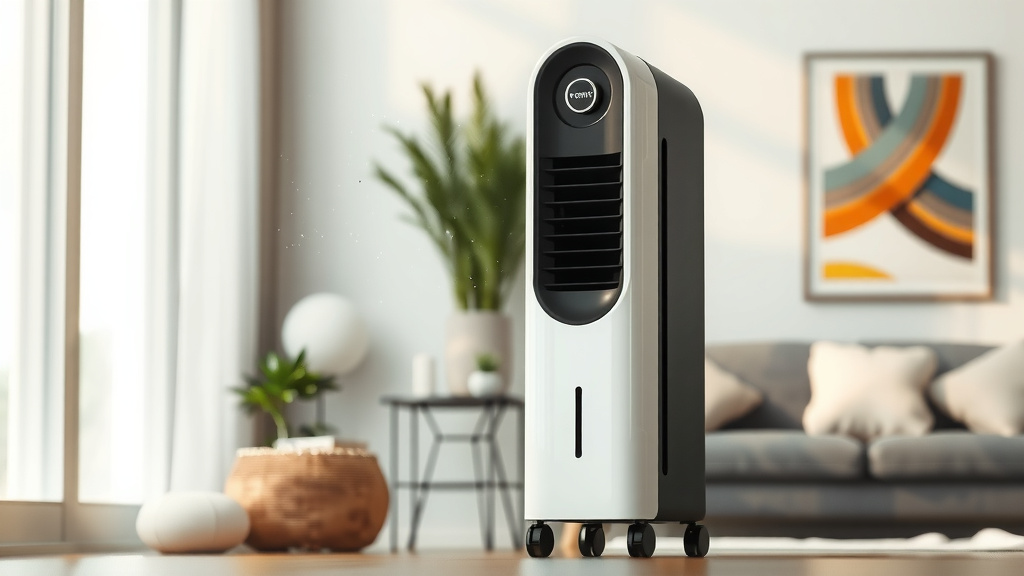
While a dehumidifier doesn’t directly remove dust particles from the air, it certainly helps reduce dust by controlling humidity levels. Lower humidity can make your home feel cleaner and less dusty over time.
By creating an environment where dust mites struggle and mold spores can’t thrive, a dehumidifier indirectly helps in your battle against household dust and allergens. Think of it as a key player in your overall dust management strategy.
- A dehumidifier does not directly suck up dust like a vacuum.
- It works by reducing moisture, which helps control dust mites and mold.
- Lower humidity makes dust less prone to clinging to surfaces.
- Optimal humidity levels can significantly reduce common allergens.
- Use it as part of a wider dust management plan for best results.
Does a Dehumidifier Get Rid of Dust?
No, a dehumidifier does not directly get rid of dust. Its primary job is to remove excess moisture from the air, not to filter out dust particles.
However, by controlling humidity, a dehumidifier creates conditions that are less friendly to dust and many common allergens.
Understanding How Dehumidifiers Work
A dehumidifier operates by pulling in humid air over a cold coil. Moisture condenses on this coil, turning into water that collects in a tank.
Dryer air is then released back into your room. This process focuses solely on managing the water vapor content in your indoor air.
The Indirect Link Between Humidity and Dust
High humidity can make your home feel stuffy and contribute to several issues linked to dust. Think of it like a sticky situation for tiny particles.
When the air is damp, dust particles can clump together and settle more easily, making surfaces feel grimy more quickly.
Dust Mites Thrive in Damp Environments
One of the biggest indirect ways a dehumidifier helps with dust is by tackling dust mites. These microscopic creatures love humidity.
Many experts say that dust mites cannot survive when relative humidity consistently stays below 50% (American Lung Association).
Their Impact on Your Health
Dust mites themselves aren’t the allergen. Their droppings and decaying bodies are the culprits behind many allergy symptoms.
If you suffer from sneezing, itchy eyes, or asthma, reducing dust mite populations can offer significant relief.
Mold Spores and High Humidity
High humidity also encourages mold growth. Mold spores are tiny airborne particles that can contribute to indoor dust.
When you reduce humidity, you reduce the chances of mold growing, thereby cutting down on another source of airborne irritants.
The Science of Humidity and Dust Particles
Research often connects higher humidity with an increase in airborne particle concentration (NIH). Dust particles can absorb moisture, making them heavier.
This can make them stick to surfaces more readily, giving you that ‘sticky dust’ feeling on furniture and floors.
Optimal Humidity Levels for Dust Control
Maintaining the right humidity level is key. We found that the ideal indoor relative humidity for most homes is between 30% and 50%.
This range is too dry for dust mites to flourish and helps prevent mold and mildew growth (CDC).
How to Measure Your Home’s Humidity
You can easily check your home’s humidity with a hygrometer. These small, affordable devices give you an accurate reading of the relative humidity.
Place them in different rooms to get a good overall picture of your home’s moisture levels.
Beyond Dehumidifiers: A Multi-Pronged Approach to Dust
While a dehumidifier is a valuable tool, it’s just one piece of the puzzle. A comprehensive approach works best for dust control.
Think of it like tending a garden; you need several tools to keep it beautiful.
Essential Dust-Busting Checklist
- Regularly vacuum with a HEPA filter.
- Dust surfaces with microfiber cloths.
- Wash bedding weekly in hot water.
- Clean curtains and blinds often.
- Keep clutter to a minimum.
Air Purifiers vs. Dehumidifiers: Understanding the Difference
It’s easy to confuse these two appliances, but they serve different, complementary roles. One tackles moisture, the other particles.
Knowing their unique functions helps you decide what your home truly needs.
| Feature | Dehumidifier | Air Purifier |
|---|---|---|
| Primary Function | Removes moisture from air | Removes particles from air |
| What it targets | Humidity, mold, dust mites | Dust, pollen, pet dander, odors |
| Impact on Dust | Indirectly reduces dust (via mites/mold) | Directly removes airborne dust |
| Best For | Damp basements, humid climates | Allergy sufferers, general air quality |
When a Dehumidifier Is Most Effective for Dust
A dehumidifier shines in specific situations. It’s particularly useful in areas prone to dampness like basements, laundry rooms, or poorly ventilated bathrooms.
If you live in a humid climate, running a dehumidifier can make a noticeable difference in your home’s overall feel and cleanliness.
Setting Up Your Dehumidifier for Best Results
Placement matters! For optimal performance, place your dehumidifier in the center of the room you want to treat, away from walls or furniture.
Ensure windows and doors are closed to prevent more humid air from entering.
Potential Downsides: Over-Drying Your Home
You can have too much of a good thing. Over-drying your home can cause issues like dry skin, cracked wooden furniture, or static electricity.
Always aim for that 30-50% humidity sweet spot to maintain comfort and protect your belongings.
Maintaining Your Dehumidifier for Peak Performance
Just like any appliance, a dehumidifier needs a little TLC. Regularly empty the water reservoir and clean the air filter.
This ensures it runs efficiently and continues to do its job effectively, year after year.
Conclusion
While a dehumidifier isn’t a magic dust eliminator, it is a powerful ally in your fight for a cleaner, healthier home. By controlling humidity, you starve dust mites and deter mold, significantly reducing common indoor allergens.
Combine your dehumidifier with consistent cleaning and possibly an air purifier, and you’ll create an environment where you can truly breathe easier. It’s all about reducing the conditions that let dust take over.
Can a dehumidifier make dust worse?
No, a dehumidifier does not make dust worse. In fact, by reducing humidity, it can make dust less hospitable for dust mites and mold, which are significant contributors to household dust and allergens. If you notice more dust, it’s likely due to other factors, not the dehumidifier itself.
How long does it take for a dehumidifier to reduce dust mites?
You might start to notice a difference in dust mite activity within a few days of consistently running a dehumidifier at optimal levels (below 50% humidity). Significant reductions in their population and related allergens can take a few weeks as their lifecycle is disrupted.
Should I use a dehumidifier and an air purifier together?
Yes, using both a dehumidifier and an air purifier can be a very effective strategy, especially if you deal with both high humidity and allergies. The dehumidifier tackles moisture and dust mites, while the air purifier directly filters out airborne dust particles, pollen, and pet dander.
Does a dehumidifier help with pet dander?
A dehumidifier does not directly remove pet dander from the air, as dander is a physical particle. However, by making the air less humid, it can indirectly help reduce dust mites which often feed on pet dander, and create a generally cleaner environment where airborne particles may settle more easily.
Can low humidity levels create more static dust?
Yes, very low humidity can sometimes lead to an increase in static electricity, which can cause dust particles to stick to surfaces more stubbornly. This is why maintaining a balanced humidity level, ideally between 30% and 50%, is important to avoid both dampness issues and excessive static.
