
Does a Dehumidifier Help with Breathing?
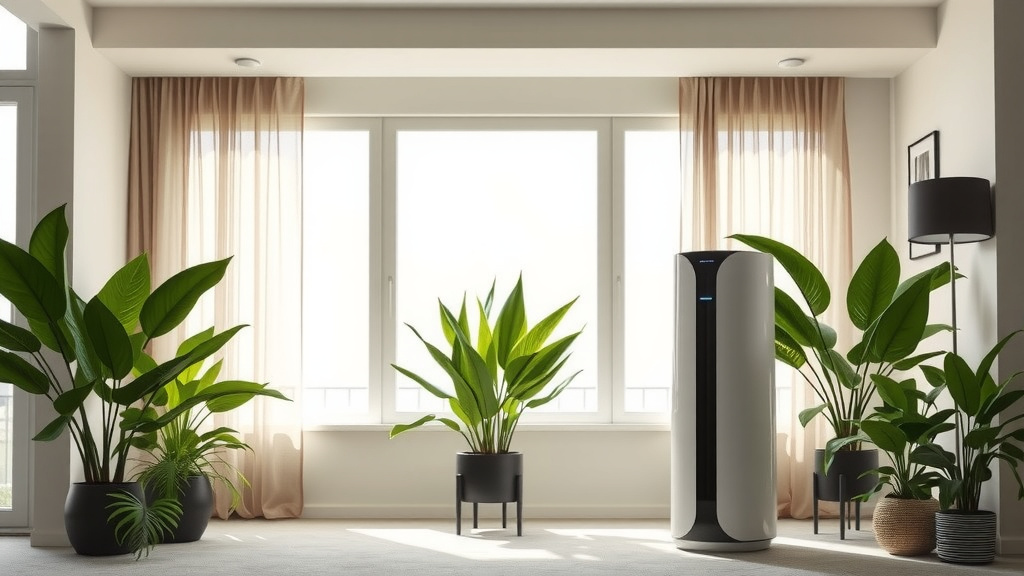
Yes, a dehumidifier can significantly help with breathing by reducing excess moisture in your home, which often triggers respiratory issues. This creates a drier, cleaner indoor air environment that is much easier to breathe for most people, especially those with allergies or asthma.
Here’s a quick look at what you’ll find:
- Dehumidifiers lower indoor humidity to healthier levels.
- They can reduce common triggers like mold and dust mites.
- Better humidity control helps ease allergy and asthma symptoms.
- You might notice less congestion and more comfortable sleep.
- Choosing the right size and type is key for the best results.
Does a Dehumidifier Help with Breathing?
Absolutely, a dehumidifier helps improve your breathing by tackling a major culprit in indoor air quality: too much humidity. When your home feels damp, it’s not just uncomfortable; it can directly affect your respiratory health.
Understanding Humidity and Your Lungs
Think of humidity as invisible water in the air. While some moisture is good, too much creates a heavy, sticky feeling. Your lungs and airways prefer air that’s not too wet and not too dry. We found that high humidity can be especially problematic for many people.
How High Humidity Affects Breathing
When the air is heavy with moisture, it feels harder to draw a full breath. For someone with sensitive airways, this feeling can be very real. It’s like trying to breathe underwater, but on a much smaller scale.
The Dehumidifier’s Role: A Breath of Fresh Air
A dehumidifier acts like a sponge for your home’s air. It pulls in moist air, extracts the water, and releases drier air back into your space. This process can make a dramatic difference in how your home feels and how you breathe.
Targeting Common Breathing Triggers
Many experts say that maintaining proper humidity levels is a simple step to improve indoor air quality. We found that a dehumidifier directly addresses some of the biggest indoor allergens and irritants.
- Mold Growth: Mold thrives in damp conditions. It releases spores into the air that, when inhaled, can cause coughing, sneezing, and even asthma attacks. A dehumidifier keeps mold from settling in.
- Dust Mites: These tiny creatures love humidity above 50%. They feed on dead skin cells and their droppings are a major allergen. Lowering humidity helps control their populations significantly (NIH).
- Bacteria and Viruses: Some airborne pathogens survive better in very humid or very dry conditions. Keeping humidity in the middle ground (around 40-50%) can help reduce their spread.
Who Benefits Most from a Drier Environment?
While everyone enjoys more comfortable air, certain groups really notice the positive effects of lower humidity. You might be surprised at the difference it makes for your daily comfort.
For Allergy Sufferers
If you constantly deal with a runny nose, sneezing, or itchy eyes indoors, a dehumidifier could be your secret weapon. By reducing allergens like mold and dust mites, you’re removing constant irritants from your air.
For Asthma Patients
Asthma triggers are everywhere, and high humidity is a common one. Research often connects damp indoor environments to increased asthma symptoms (CDC). A drier home means fewer triggers and potentially fewer breathing difficulties.
For Those with COPD or Other Respiratory Conditions
People with chronic lung conditions often find breathing easier in clean, temperate air. Removing the heavy, dampness can reduce strain on the lungs and make everyday activities more comfortable.
What’s the Ideal Humidity Level for Breathing?
The sweet spot for indoor humidity is typically between 40% and 50%. Anything higher encourages unwelcome guests like mold. Anything lower can dry out your airways, which also isn’t ideal. A hygrometer, often built into dehumidifiers, helps you monitor this.
Signs Your Home Might Be Too Humid
Are you seeing condensation on windows? Does your home smell musty? Are clothes taking forever to dry? These are all signals your indoor air could benefit from a dehumidifier. Trust your senses; they often tell you a lot.
Choosing the Right Dehumidifier for Your Needs
Not all dehumidifiers are created equal. Matching the unit to your space and specific issues is a step you won’t regret. Think about the size of the area and how much moisture it currently holds.
Here’s a simple guide to help you choose:
| Humidity Level | Room Size | Recommended Capacity (Pints/Day) |
|---|---|---|
| Moderately Damp | Up to 1,500 sq ft | 20-30 Pints |
| Very Damp | Up to 2,000 sq ft | 40-50 Pints |
| Wet (Basement) | Up to 2,500 sq ft | 60-70 Pints |
| Extremely Wet | Over 2,500 sq ft | 70+ Pints |
Always consider energy efficiency and noise levels too. A quieter unit can make a big difference in living areas or bedrooms.
Setting Up and Maintaining Your Dehumidifier
Once you have your unit, placement matters. Put it in the dampest part of the room, away from walls and furniture for good airflow. Cleaning the filter regularly keeps it working at its best. It’s a simple routine for better air.
Checklist for Optimal Dehumidifier Use
- Place it in the dampest area.
- Allow at least 6 inches of space around it.
- Set the humidity target between 40-50%.
- Empty the water bucket regularly or use continuous drainage.
- Clean the air filter every 2-4 weeks.
- Keep doors and windows closed in the treated area.
Conclusion
A dehumidifier can truly be a game-changer for your indoor air quality and, by extension, your breathing. By effectively reducing excess moisture, you create an environment less hospitable to mold, dust mites, and other respiratory irritants. This means clearer airways, fewer allergy symptoms, and a generally more comfortable feeling in your own home. If you often find yourself struggling with dampness or indoor allergens, a dehumidifier is a practical, effective solution worth considering for your health.
How quickly does a dehumidifier improve breathing?
You might notice an improvement in air quality within a few hours of running a dehumidifier. For significant reductions in allergens like mold and dust mites, it can take a few days or weeks as their populations decrease due to the drier conditions.
Can a dehumidifier make my home too dry?
Yes, if not set correctly, a dehumidifier can make your home too dry, potentially leading to dry skin, irritated sinuses, or static electricity. That’s why aiming for 40-50% relative humidity is ideal; most units have a humidistat to help you maintain this balance.
Is a dehumidifier expensive to run?
The running cost of a dehumidifier depends on its size, energy efficiency (look for Energy Star ratings), and how often it runs. Modern units are generally more efficient than older models, but it will add to your electricity bill. The health benefits often outweigh this cost for many people.
Can a dehumidifier help with snoring?
While not a direct cure for snoring, if your snoring is worsened by congestion from allergies or irritated airways due to high humidity, a dehumidifier might offer some relief. By reducing these triggers, it can potentially help clear your nasal passages, leading to better sleep and possibly less snoring.
Should I run my dehumidifier all the time?
You don’t necessarily need to run it all the time. Monitor your home’s humidity with a hygrometer. If it consistently stays above 50%, run the dehumidifier. Many people run them seasonally, especially during warmer, wetter months, or in continuously damp areas like basements.
