
Does a Dehumidifier Need an Exhaust?
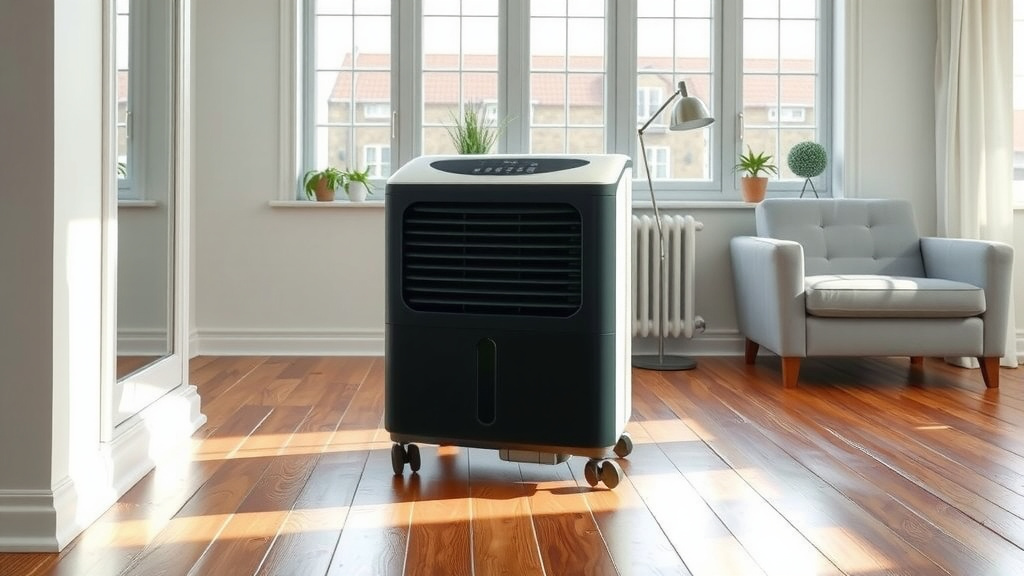
No, a dehumidifier typically does not need an exhaust to the outside of your home. These appliances are designed as self-contained units that cycle air internally to remove moisture.
Your dehumidifier works by drawing humid air in, condensing the water vapor, and then releasing drier air back into the room without requiring any external venting.
- TL;DR: Dehumidifiers are self-contained.
- They pull in moist air, extract water, and release dry air.
- No exhaust hose or vent to the outside is needed.
- They collect water in a bucket or drain it continuously.
- Proper placement and maintenance keep them working well.
Does a Dehumidifier Need an Exhaust?
You might be wondering if your dehumidifier needs to vent air outside, like an air conditioner or a dryer. The straight answer is no, a dehumidifier does not need an external exhaust. It is a completely self-contained system.
Understanding How Dehumidifiers Work
Imagine your dehumidifier as a mini weather system. It pulls in humid air from your room. Inside, this air passes over cold coils, similar to a refrigerator. The moisture in the air condenses into liquid water on these coils. This process effectively removes humidity.
Once the moisture is gone, the now drier air passes over warmer coils before being released back into your room. It’s a continuous cycle, all happening within the appliance itself. We found that this internal air circulation is key to its operation.
The “Exhaust” You’re Thinking Of
When you feel air coming out of your dehumidifier, that is simply the drier, slightly warmer air being pushed back into the room. This isn’t an exhaust in the sense of expelling waste or hot gases. It’s simply the conditioned air returning to your living space. Many experts say understanding this internal process helps clarify common misconceptions.
Why No External Exhaust is Needed
A dehumidifier’s job is to reduce the humidity levels indoors. Unlike some other appliances, it does not create fumes or require outdoor venting for safety or efficiency. All the water it extracts is collected internally.
This means you have more flexibility in where you place your unit. You can put it in a basement, a laundry room, or even a damp bedroom. Just ensure you follow the manufacturer’s guidelines for placement.
Where Does the Water Go?
The water removed from the air has to go somewhere, right? Your dehumidifier will collect this water in a reservoir or bucket. When this bucket fills up, you simply empty it. Some models offer a continuous drainage option.
For continuous drainage, you connect a hose directly to a floor drain or a sink. This means less manual emptying for you, which is a real convenience. Both methods keep the water safely contained.
Dispelling Common Dehumidifier Myths
One common myth is that dehumidifiers produce harmful byproducts needing ventilation. This is not accurate. They only remove water vapor from the air. Another misconception is that they cool your room like an AC unit, but they actually produce a bit of warmth as they operate (NIH).
The Airflow Cycle Explained
Think of it like a gentle current. Humid air flows into the dehumidifier, much like a river entering a lake. Inside, the moisture is pulled out. The now-dry air is like the river flowing out of the lake, clean and refreshed. This constant movement helps distribute the dry air effectively throughout your space.
Proper Placement for Optimal Performance
While no external exhaust is needed, proper placement is still essential. You want to make sure air can flow freely around the unit. Avoid placing it against walls or in tight corners. We found that giving it at least six inches of space on all sides helps significantly.
This space allows the dehumidifier to draw in humid air and release dry air without obstruction. A central location in the dampest room often works best for even humidity reduction.
What Happens If Airflow is Blocked?
If you block the air intake or exhaust vents, your dehumidifier won’t work efficiently. It might struggle to pull in humid air or push out dry air. This can cause the unit to work harder, use more energy, and even overheat.
Imagine trying to breathe with a hand over your mouth and nose – it’s tough! Your dehumidifier faces a similar struggle with blocked airflow. Keeping vents clear helps it “breathe” easily and perform its best.
Maintaining Your Dehumidifier for Efficiency
Regular maintenance is key to keeping your dehumidifier running smoothly. Clean the air filter frequently, perhaps once a month, depending on how often you use it. A dirty filter restricts airflow, which reduces efficiency (Mayo Clinic).
Also, make sure to empty the water collection bucket regularly or ensure your continuous drain is clear. A full bucket will cause most units to shut off automatically, stopping their work.
When Ventilation IS Important (But Not for Dehumidifier Exhaust)
It’s important to differentiate between general home ventilation and a dehumidifier’s operation. Good ventilation is still very important for fresh air, reducing indoor pollutants, and helping prevent mold growth in general. This might involve opening windows, using exhaust fans in bathrooms, or having an HVAC system with fresh air intake.
However, none of these ventilation methods are related to the dehumidifier needing an exhaust. Your dehumidifier is simply managing the moisture content of the air already inside your home.
Signs Your Home Needs a Dehumidifier
Are you experiencing any of these common signs of excess humidity? If so, a dehumidifier could be a great solution for you.
- A noticeable musty or damp smell in certain areas.
- Condensation on windows, pipes, or other cold surfaces.
- Sticky or clammy feeling air, even when it’s not hot.
- Peeling paint or wallpaper.
- Increased allergy symptoms due to dust mites or mold spores.
Choosing the Right Dehumidifier Size
Dehumidifiers come in various sizes, measured by how many pints of water they can remove per day. Choosing the right size for your space is critical. A unit too small will run constantly without achieving optimal results. A unit too large might cycle on and off too quickly, not drying the air thoroughly.
Consider the size of your room and how damp it typically gets. For instance, a small, slightly damp room needs a smaller capacity unit than a large, very wet basement. Many manufacturers provide charts to help you decide.
Dehumidifier Types and Their Operation
Generally, you’ll find two main types: compressor-based and desiccant-based dehumidifiers. Both types work without an external exhaust system. Compressor models use refrigerant to cool coils, while desiccant models use a moisture-absorbing material.
Regardless of the type, their core function remains the same: to remove humidity from your indoor air and collect the water. Neither type creates exhaust that needs to be vented outside your home.
Here’s a quick look at how water collection methods differ:
| Feature | Collection Bucket | Continuous Drain |
|---|---|---|
| Setup | Ready to use out of the box. | Requires hose and nearby drain. |
| Maintenance | Manual emptying when full. | No manual emptying needed. |
| Convenience | Less convenient for long-term use. | More convenient, runs unattended. |
| Placement | More flexible placement. | Limited by drain location. |
Here’s a quick checklist to see if a dehumidifier is right for you:
- Do you see frequent window condensation?
- Is your basement always smelling musty?
- Are clothes in closets feeling damp or moldy?
- Do you or family members have dust mite allergies?
- Are you noticing water stains on walls or ceilings?
- Is the indoor air consistently feeling heavy or sticky?
Conclusion
To wrap things up, you can breathe a sigh of relief knowing your dehumidifier doesn’t need any complex venting. It’s designed to be a simple, self-contained solution for managing indoor humidity. Just plug it in, ensure good airflow around it, and let it work its magic. By understanding how these clever machines operate, you can make sure your home stays comfortably dry and healthy without extra hassle.
Can I put a Dehumidifier in a closet?
Yes, you can place a dehumidifier in a closet, especially if that area is prone to dampness. Just ensure there is enough space around the unit for proper air circulation and that the closet door is kept closed for the dehumidifier to work most effectively.
Does a Dehumidifier increase room temperature?
A dehumidifier does generate a small amount of heat as a byproduct of its operation. While it’s not significant enough to act as a primary heating source, you might notice a slight temperature increase in the immediate vicinity of the unit, typically by a few degrees.
How often should I empty the water tank?
How often you need to empty the water tank depends on the size of your dehumidifier, the humidity level in your home, and how frequently you run it. In very humid conditions, you might need to empty it once or twice a day. Many units have an indicator light or automatically shut off when full.
Is it okay to run a dehumidifier 24/7?
Running a dehumidifier 24/7 is generally fine, especially in very damp environments like basements or during extremely humid seasons. Most modern dehumidifiers are built for continuous operation. Just remember to maintain it regularly, cleaning filters and emptying the bucket or ensuring continuous drainage.
Do dehumidifiers use a lot of electricity?
The electricity usage of a dehumidifier varies by model, size, and efficiency rating. Larger units naturally use more power than smaller ones. While they do consume electricity, many people find the benefits of reduced humidity – like preventing mold and protecting furnishings – outweigh the operating cost.
