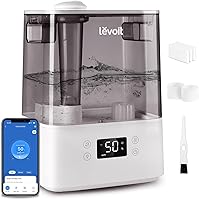
Can a Humidifier Help with Nosebleeds?
A humidifier may help by adding moisture to dry indoor air, which can ease dryness in the nose, but it cannot diagnose or treat the cause of a nosebleed. Use it to raise room humidity, clean it as directed, and seek medical care for frequent, heavy, or long-lasting bleeding.
On this page (10 sections)
- How does indoor humidity affect dry nasal passages?
- Can a humidifier help with nosebleeds, and what can it not do?
- What humidity level should you aim for in a bedroom?
- How do you size a humidifier for a bedroom or nursery?
- What should you look for if you want more mist and added features?
- How do you place and run a humidifier safely?
- How do you clean a humidifier to limit dust and buildup?
- When is a dehumidifier the opposite of what you need?
- How do you choose a humidifier for dry air at night?
- How can humidifiers help with nosebleeds in a safe routine?
A humidifier may help by adding moisture to dry indoor air, which can ease dryness in the nose, but it cannot diagnose or treat the cause of a nosebleed. Use it to raise room humidity, clean it as directed, and seek medical care for frequent, heavy, or long-lasting bleeding.
Can humidifiers help with nosebleeds? The useful answer is narrow.
Dry air can leave nasal tissues feeling dry and irritated, and added moisture may make a room feel more comfortable. That is different from stopping bleeding or preventing a medical problem.
This guide explains how humidity works, where to place a unit, and how to clean it.
How does indoor humidity affect dry nasal passages?
Low indoor humidity can make the air feel dry, and a cool mist humidifier can add moisture to that air. Heated winter air often holds little moisture, and forced-air heating can make a bedroom feel especially dry at night.
A humidifier does not add moisture to your body. It raises the humidity in the room, and your nose and throat then breathe air with more water in it.
That may ease the dry feeling that some people notice during sleep.
People often use a humidifier beside the bed because they spend many hours there. A steady, low mist can be more comfortable than bursts of stronger output.
Keep the setting low at first and check how the room feels after an hour.
Our score weighs specs, features and buyer feedback against what you're shopping for. For this topic, tank size, noise, ease of filling, and cleaning matter more than extra lights or scent features.
Can a humidifier help with nosebleeds, and what can it not do?
It can help with dry indoor air, but it cannot diagnose why a nosebleed happened or treat an active bleed. Do not use added moisture as a substitute for first aid or medical advice.
If you have a nosebleed now, follow a trusted first-aid source and seek care if bleeding does not stop, is heavy, returns often, or follows an injury. A humidifier is a comfort tool for room air, not a medical device for bleeding.
Also watch for non-humidity causes. Allergies, colds, irritants, medicines, and nasal sprays can also affect the nose.
A clinician can help sort out a pattern if episodes keep happening.
For allergy-related dryness, our guide to best humidifiers for allergies is not the right starting point. Better reading is the allergy and sinus guide at best humidifier for allergies and sinus, which focuses on airborne irritants and comfort.
What humidity level should you aim for in a bedroom?
Aim for a moderate indoor range, often about 30% to 50% humidity, and use a hygrometer to check. Too little moisture can feel dry.
Too much can cause condensation, musty smells, and mold risk.
A small hygrometer on a nightstand gives a real number instead of a guess. Place it at breathing height, away from the humidifier outlet.
If it sits right in the mist, the reading will look higher than the room average.
Start with the humidifier on low for a few nights. Raise the output only if the room still feels dry and the reading stays low.
Lower it if windows fog or walls feel damp.
Do not chase a perfect number. Comfort, clean equipment, and a room that stays dry on surfaces matter as much as the display.
If levels swing widely, check placement and runtime before turning the mist up.
How do you size a humidifier for a bedroom or nursery?
Match tank size and coverage to the room, not to the loudest claim on the box. A 2.5-liter tank can run up to 25 hours on low, according to Levoit, which suits overnight use in a bedroom.
Levoit says its Classic 160 has a 25dB noise level, a 360 degree nozzle, and auto shut-off when the tank is empty or removed. Those features fit a bedroom where quiet operation and simple refilling matter.
The maker also recommends purified or distilled water to reduce white dust.
Use top-fill designs to avoid turning a full tank upside down. A wide opening also makes cleaning easier.
For a nursery or bedroom, easy cleaning is a safety and comfort issue, not a luxury.
Check floor area and runtime before you buy. A larger tank helps overnight, but only if you will clean and refill it on schedule.
What should you look for if you want more mist and added features?
If you want a larger tank, adjustable mist, and extras, a 3.5-liter model may fit better than a compact unit. MEGAWISE says its 3.5L model has a top-fill design, 24dB operation, a 360 degree nozzle, auto shut-off, a night light, and diffuser use.
That mix suits people who want one device for mist, light, and scent. It also suits a larger bedroom or office where you fill the tank less often.
The trade-off is size, plus care steps for any diffuser use.
Do not add scented oils unless the maker allows them in that exact model. Some tanks and seals handle water only, and residue can make cleaning harder.
Plain water is the safer default for a bedroom.
Choose added features only if you will use them. A night light or diffuser does not improve humidity control, so treat them as comfort extras.
How do you place and run a humidifier safely?
Place the unit on a stable, raised surface in an open area, a few feet from the bed. Levoit recommends a higher position and open space for the best humidification effect.
Keep mist away from bedding, pillows, walls, curtains, and wooden furniture. Direct moisture can damp fabrics and finishes over time.
A 360 degree nozzle helps you aim mist into the room instead of at a wall.
Run it for a set period rather than all day at full strength. Check the hygrometer, feel the air, and look for condensation.
If the room feels clammy, turn the output down or shorten runtime.
Keep cords out of walkways and away from water spills. Empty, rinse, and dry the tank as directed instead of leaving standing water inside for days.
Clean equipment is part of safe use.
How do you clean a humidifier to limit dust and buildup?
Empty and rinse the tank often, and follow the maker’s cleaning steps for the base and filter parts. Levoit includes a cleaning brush and a water filter sponge, and says the filter cotton generally lasts about one month depending on water hardness.
Use purified or distilled water if the maker recommends it. Hard tap water can leave mineral dust, and that dust can settle on surfaces.
A wide tank opening makes daily rinsing and weekly cleaning easier.
Do not mix cleaners by guessing. Use only products the manual allows, and rinse away all residue before refilling.
If a part smells musty, looks cloudy, or feels slimy, stop and clean it before the next use.
Replace filters on the maker’s schedule, not when they look only slightly dirty. Levoit points buyers to replacement filter cotton when the installed filter becomes dirty.
Dry parts fully before storage.
When is a dehumidifier the opposite of what you need?
A dehumidifier removes moisture from the air, so it is the wrong tool when the goal is to add moisture. Our comparison of humidifier vs dehumidifier for allergies explains which device fits dry air versus damp air.
AEOCKY makes a compressor dehumidifier rated for 80 pints per day in humid mid-summer conditions, with a 1.45-gallon tank and a drain hose. That is a tool for damp basements and large rooms, not for a dry bedroom.
Running both types at once can waste energy and fight your humidity target. Pick one based on a hygrometer reading.
Add moisture when the room is dry, and remove moisture when surfaces or air feel damp.
Read Does a Dehumidifier Help with Nosebleeds? if you are unsure which problem your room has. The answer depends on measured humidity, not on symptoms alone.
How do you choose a humidifier for dry air at night?
Pick quiet operation, top fill, easy cleaning, and a tank that lasts overnight. Those four traits matter more for nightly comfort than scent or light features.
For a focused shortlist, see best humidifier for nosebleeds and best humidifiers for allergies. Use those pages to compare size, noise, and cleaning design side by side.
Our buying guide at best air humidifiers for home covers general sizing and placement. Read it before you buy, and check whether you need one unit for a bedroom or a larger unit for an open floor plan.
Also check Do I Need a Dehumidifier and a Humidifier? if your home has both dry bedrooms and a damp basement. Most homes need one tool in one room, not both devices in the same space.
How can humidifiers help with nosebleeds in a safe routine?
Use a clean, quiet humidifier to ease dry room air, check humidity with a hygrometer, and get medical advice for repeated bleeding. That routine keeps the tool in its proper role as a comfort device.
Fill with the water type the maker recommends, place the unit a few feet from the bed, and run it on low at first. Clean the tank and base on schedule, and replace filters when directed.
Stop if condensation, musty odors, or mold appear.
Pick the Levoit model if you want a compact 2.5L bedroom unit with top fill and quiet 25dB operation. Pick the MEGAWISE model if you want a larger 3.5L tank with adjustable mist and added light or diffuser features.
Skip the AEOCKY dehumidifier for dry air, since it removes moisture instead of adding it.
If nosebleeds keep happening, do not keep raising mist output. Note when they occur, check room humidity, and talk with a clinician.
A humidifier can make dry air more comfortable, and that is the honest limit of what it can do.
Frequently asked questions
Can humidifiers help with nosebleeds from dry air?
They may help by raising indoor humidity, which can reduce dryness in nasal passages. They do not treat an active nosebleed or prevent every episode.
If nosebleeds are frequent, heavy, or do not stop, contact a clinician for advice.
What humidity level should I aim for indoors?
Many indoor air guides suggest about 30% to 50% relative humidity. A hygrometer can help you check the room.
Avoid running a humidifier so much that windows sweat or mold forms, since excess moisture can cause other problems.
How should I place a humidifier for a bedroom?
Place it on a stable, raised surface in an open area, a few feet from your bed. Keep it away from bedding, walls, and direct mist.
This helps moisture spread through the room instead of soaking one spot.