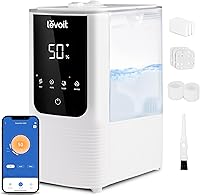
Best Air Humidifiers for Home: A Complete Guide
The best air humidifier for your home matches the room, the dry-air problem and the time you can spend on care. Check room coverage, mist type, refill needs and cleaning steps before choosing a portable or whole-house model.
On this page (9 sections)
- How do you choose the best air humidifier for home?
- Which humidifier types suit different homes?
- How much humidifier coverage do you need?
- What does a humidifier do, and what doesn't it do?
- How should you maintain a humidifier?
- Which humidifier fits a bedroom, travel or special use?
- Is a humidifier or vaporizer the better choice?
- Explore humidifiers by topic
- Which home humidifier should you choose?
The best air humidifiers for home use match the room you want to humidify, the type of unit you can maintain and your preferred mist style. Measure the space, check the humidity, then compare portable, whole-house, evaporative and ultrasonic options.
A humidifier can add moisture to dry indoor air, but it needs regular care. For that specific concern, see whether humidifiers help with dry skin.
If sinus comfort is your concern, read whether humidifiers help with sinuses. Room coverage, water capacity, cleaning access and replacement parts affect how well a unit fits your routine.
This guide covers how to choose a humidifier, what the main types do and where each may fit. If you first want the basics, read do humidifiers work.
How do you choose the best air humidifier for home?
Choose a humidifier by room size, humidity needs, care routine and placement. A larger capacity number alone doesn't tell you whether a unit suits your room or daily schedule.
Start with the room. A bedroom unit may need low-noise operation and a tank that's easy to fill, while a whole-house model needs a suitable location and regular wick or filter care.
Then compare how the unit releases moisture. Evaporative models use a wick, while ultrasonic models use vibration to create a mist.
Warm-mist units heat water first.
Before buying, check:
- The recommended coverage area and whether it fits your actual room.
- Tank size, refill access and how often you expect to refill it.
- How the tank and other parts come apart for cleaning.
- Whether it uses a wick or filter, and what replacement parts it needs.
- Controls such as a humidistat, automatic shutoff or adjustable mist.
- Placement rules, cord access and any safety guidance in the manual.
A hygrometer can help you understand the room's humidity before and while you run a humidifier. Avoid adding more moisture than you need, since excessive humidity can contribute to damp surfaces.
What should you look for in a home humidifier?
Look for clear room coverage, manageable cleaning and parts you can replace. Choose controls that suit your habits rather than paying attention only to extra features.
An automatic shutoff can stop operation when a tank is empty or a target level is reached, depending on the model. A humidistat can make it easier to maintain a chosen setting, but follow the manual and check the room with a separate hygrometer when needed.
If you want a known brand range to compare, see our guide to best Honeywell humidifiers for home. Compare the same basics across brands: coverage, refill routine, filter or wick needs and cleaning steps.
Which humidifier types suit different homes?
The main humidifier types differ in how they create and release moisture. The right one depends on your room, comfort preferences, care routine and placement limits.
| Type | How it works | What to consider |
|---|---|---|
| Evaporative | A fan moves air through a water-soaked wick | Wick care and replacement; fan sound |
| Ultrasonic | Vibration creates a fine mist | Mineral residue may collect nearby, depending on water |
| Warm mist | Heats water before releasing moisture | Hot water and heated parts require careful placement |
| Whole-house | Adds moisture through a home system or large unit | Installation, maintenance and compatibility with the home |
These labels describe broad designs, and individual models vary. For a fuller breakdown, see types of humidifiers pros and cons.
Is evaporative or ultrasonic better for home use?
An evaporative humidifier suits buyers who prefer a wick-based design, while an ultrasonic model may suit those who want a compact unit. Compare upkeep and placement before picking one.
Evaporative models need their wick checked and replaced as directed. They also use a fan, so consider sound if the unit will run near a bed or work area.
Ultrasonic models don't use an evaporative wick to make mist, but mineral content in water can leave residue around the unit. For water guidance, read whether you can use tap water in a humidifier.
The evaporative humidifier vs ultrasonic comparison explains what to weigh.
Should you choose cool mist or warm mist?
Choose cool mist or warm mist based on placement and household safety, not a promise of better results. Learn more about warm-mist humidifiers.
Warm-mist designs heat water, so keep the unit away from children, pets and places where it could be knocked over. For model-specific setup steps, read how to use a Vicks warm mist humidifier.
Cool-mist models don't heat water to make mist. Check their cleaning instructions and consider where airborne moisture may settle.
If you are comparing heating styles, read cool mist vs warm mist humidifier. For a closer look at heated units, see our best warm air humidifiers guide.
Does every humidifier have a compressor?
No, a humidifier doesn't need a compressor to add moisture. Many household models use a wick and fan or ultrasonic vibration instead.
The word “compressor” is more commonly associated with refrigeration or dehumidification equipment. Learn more in do all humidifiers have compressor.
How much humidifier coverage do you need?
Choose coverage for the room or home area where the unit will operate. A unit rated for a large space may be too much for a small bedroom, while a small tabletop model may not suit a broad living area.
Measure the room's length and width, and note high ceilings or open doorways. Open plans can connect several areas, so a single room measurement may not reflect the actual space the humidifier affects.
A large portable unit may make sense for a big room if you can place and maintain it safely. For examples, see best humidifier for large room.
For a bedroom, compare best room humidifier for bedroom.
A whole-house humidifier serves a different purpose from a portable room unit. For furnace-connected designs, see types of furnace humidifiers.
It may connect to a home's heating and cooling equipment or use a larger freestanding format, so confirm what installation and upkeep each option requires. For furnace-connected choices, compare steam and bypass humidifiers.
See our best whole house humidifier guide.
The AIRCARE Space Saver uses a 1043 Super Wick, with the first wick included. Its 6-gallon capacity and caster wheels are details to consider when planning refills, placement and movement.
A whole-house choice may need different replacement parts than a portable humidifier. Compare best whole house humidifier filter replacement before you settle on a model.
What does a humidifier do, and what doesn't it do?
A humidifier adds moisture to the air. If allergies are the concern, compare humidifiers and dehumidifiers for allergies.
It does not filter dust, pollen or pet dander from the air, and it doesn't remove excess moisture.
This distinction matters if you are shopping for “air quality” more broadly. A purifier targets airborne particles, while a humidifier changes humidity.
A diffuser is designed to disperse fragrance or essential oils, depending on its instructions.
For a quick comparison, use our humidifier vs purifier vs diffuser guide. If particles are your main concern, an air purifier is a separate category from humidifiers.
These purifiers can suit readers comparing air cleaning, but they won't raise humidity. For room-by-room purifier picks, see our air purifiers for home buying guide.
Keep the job of each appliance clear when planning your room.
How should you maintain a humidifier?
Clean a humidifier according to its manual and on a regular schedule. Empty standing water, wash accessible parts as directed and replace any wick or filter when the maker's instructions call for it.
Mineral deposits can build up when water evaporates or becomes mist. If the manual allows it, use water that reduces mineral residue and avoid adding oils or cleaners unless the unit is designed for them.
A practical routine includes:
- Turn off and unplug the humidifier before cleaning.
- Empty the tank and base, then clean parts using the approved method.
- Rinse thoroughly if the instructions call for rinsing.
- Let parts dry before storing or reassembling.
- Check the wick or filter and replace it when directed.
For detailed steps, see how to clean a humidifier. If the unit stops misting, leaks or makes unusual noise, our humidifier troubleshooting guide can help narrow down routine issues.
Replacement parts matter over the life of a humidifier. Check compatibility by model, not just by appearance, and compare best humidifier replacement filters if your unit takes a filter.
Which humidifier fits a bedroom, travel or special use?
Pick a humidifier for where it will sit and how often you'll move or clean it. A bedroom, trip, plant shelf and nursery each create different placement and care needs.
For plant-growing setups, compare humidifiers for grow tents.
For travel, compact size and a clear power setup matter. See best portable humidifier for travel.
If you want less scrubbing, compare best easy to clean humidifier.
Indoor plants may benefit from humidity suited to their needs, but avoid wetting leaves or nearby surfaces. Our best humidifier for plants indoor guide focuses on that use.
The MEGAWISE model also includes a night light and an essential-oil diffuser feature. Follow its instructions for essential oils, and clean it as directed.
If a baby will be in the room, decide based on room conditions, safe placement and cleaning rather than assuming a humidifier is required. Read do i need a humidifier for baby before adding one.
A humidifier isn't a medical treatment for allergies, sinus discomfort, cough or dry skin. For general shopping needs, see our guides to best humidifier for allergies and sinus, best humidifier for cough and best humidifier for dry skin.
Is a humidifier or vaporizer the better choice?
A humidifier is a broad category, while “vaporizer” often refers to a unit that heats water to release warm vapor. Check how the specific model works and its safety instructions before choosing.
Terminology can vary across products, so compare the mechanism rather than relying on the name alone. Warm water and heated surfaces need careful placement, especially around children and pets.
Our humidifier vs vaporizer difference guide explains the distinction. Adults weighing a heated option can also read vaporizer vs humidifier for adults.
Explore humidifiers by topic
- Which Type of Humidifier Is Best for Winter?
- Best Humidifiers with Essential Oil Diffusers
- Best Humidifiers for Guitars
- Best Cool Mist Humidifiers for Homes with Cats
Which home humidifier should you choose?
Choose a portable humidifier for one room when you want a simple setup and can keep up with refills and cleaning. Pick a whole-house option when you need broader coverage and can manage its installation and maintenance.
For a cool-mist option, see best cool mist humidifier. If you prefer a wick-based approach, compare best evaporative humidifiers for home.
The best choice is the one that fits the area, care routine and placement you can support. Measure first, compare the operating method, and follow the manual so the unit adds only the moisture you need.
Frequently asked questions
What is the best air humidifier for home use?
The best air humidifier for home use depends on the space you want to humidify and how you want to maintain it. Match a portable unit to one room, or consider a whole-house unit for broad coverage.
Compare evaporative and ultrasonic designs, then check tank access, cleaning steps and replacement parts.
Is a humidifier good for dry air?
A humidifier adds moisture to indoor air, so it can be useful when indoor humidity is low. Measure humidity with a hygrometer and follow the humidifier's instructions.
Avoid running it beyond the level you need, and clean it regularly to reduce buildup in the tank and other parts.
Should I choose an evaporative or ultrasonic humidifier?
Choose an evaporative humidifier if you prefer a wick-based design and are comfortable replacing its wick as needed. An ultrasonic model may suit you if you want a compact, quiet unit, but water minerals can affect what settles near it.
Check the care instructions and room coverage for either type.
Are warm-mist or cool-mist humidifiers better?
Neither mist type is best for every home. Cool-mist units avoid a heating element, while warm-mist units heat water before releasing moisture.
Consider placement, household safety, sound and cleaning needs.
Follow the maker's instructions, especially around children, pets and hot surfaces.
How often should I clean a home humidifier?
Clean a humidifier as often as its manual directs, and empty and dry it when you stop using it. Water left sitting can encourage deposits or growth.
Use only cleaning methods approved for the model, rinse as directed and replace wicks or filters on the maker's schedule.