Do You Need a Humidifier for Your Baby?
You don’t need a humidifier for your baby if the nursery humidity is comfortable and your baby has no dry-air discomfort. Measure the room first, then consider one if the air is consistently dry.
On this page (9 sections)
- Do you need a humidifier for your baby’s room?
- When should you skip a nursery humidifier?
- Is a cool mist humidifier a good choice for a baby?
- How can you use a humidifier safely in a nursery?
- Which products fit a baby humidifier setup?
- Does a baby’s congestion mean you should buy a humidifier?
- What should you do if the nursery feels damp?
- More guides on this topic
- How do you decide whether your baby needs a humidifier?
You don’t need a humidifier for your baby if the nursery humidity is comfortable and your baby has no dry-air discomfort. Measure the room first, then consider one if the air is consistently dry.
A humidifier adds moisture to indoor air. It can be useful in a dry room, but it also needs regular cleaning and careful placement.
If you decide one may help, compare a best humidifier for baby nursery guide and our Humidifiers: The Complete Buying Guide before you choose.
Do you need a humidifier for your baby’s room?
A humidifier may make sense when a room is persistently dry and your baby seems uncomfortable from dry air. It isn’t a nursery essential for every family.
Dry air can feel uncomfortable for adults and babies alike. A dry nose, throat or skin can have more than one cause, though, so don’t treat a humidifier as a diagnosis or a cure.
Check the room’s humidity with a hygrometer before adding moisture. If the room is already comfortable, a humidifier may add work without solving a problem.
How do you know if the nursery air is dry?
A hygrometer gives you a reading to compare over time, while a one-time impression can be misleading. Check it in the nursery where the baby sleeps, away from a window, vent or humidifier outlet.
Notice whether the room often feels dry, but don’t rely only on symptoms to decide. A stuffy nose or irritated skin may come from other causes, including a cold or skin condition.
If allergies are a concern, compare humidifiers and dehumidifiers for allergies.
If your baby has ongoing symptoms, ask their clinician rather than adjusting room humidity repeatedly. Seek urgent care for trouble breathing or other severe symptoms.
When should you skip a nursery humidifier?
Skip a humidifier when the room is already comfortable or feels damp. More moisture is not automatically better.
Too much added moisture can contribute to condensation and damp surfaces. If you see water collecting on windows or walls, turn the humidifier off and address the moisture source.
You may also choose to wait if you can’t clean the unit as directed or place it securely out of reach. A dirty or poorly placed device can create avoidable problems.
Is a cool mist humidifier a good choice for a baby?
A cool mist model avoids hot water and steam, which can reduce burn concerns around children. For a closer look at that humidifier type, see whether an ultrasonic humidifier is better.
A warm mist humidifier heats water to produce vapor, so review its placement and safety requirements carefully.
It still needs safe placement, cleaning and adult supervision.
Keep the unit on a stable surface that your baby cannot reach, and direct mist away from the crib, walls and bedding. Follow the maker’s instructions for room size, use and cleaning, and keep the electrical cord away from the crib.
For a model comparison, see best cool mist humidifier for baby. If congestion is the reason you’re considering one, our best humidifier for baby congestion guide covers that specific use.
How can you use a humidifier safely in a nursery?
Use a humidifier only as directed, keep it clean and check the room for signs of excess moisture. The basic routine matters as much as the model.
- Place it on a level, stable surface beyond your baby’s reach.
- Keep it away from the crib, bedding, curtains and electrical cords.
- Empty standing water and clean the tank and parts on the schedule in the instructions.
- Use only water and additives the maker permits.
- Turn it off if condensation or dampness appears.
Don’t add scented oils or vapor products unless the humidifier maker specifically allows them. For the difference in purpose, see diffusers vs humidifiers.
Babies can be sensitive to strong scents, so ask your pediatrician before using scented products in the nursery.
Which products fit a baby humidifier setup?
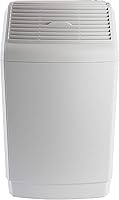
A small room humidifier is the most direct option if your nursery is dry and you can maintain it. Other products here have narrower roles, so check compatibility and need before adding them.
These pads add scent, not humidity. Don’t use them around a baby unless the device instructions allow it and your child’s clinician agrees they’re appropriate.
Its maker describes up to 30 hours of mist and quiet operation. Those features don’t replace checking room humidity or following the unit’s instructions.
It is not a standalone nursery humidifier. Check your whole-house unit’s model before choosing a replacement pad, and see our Best Dehumidifier For Baby Room guide if the nursery is damp instead.
Does a baby’s congestion mean you should buy a humidifier?
Congestion alone doesn’t prove the room is too dry or that a humidifier is needed. A humidifier may add moisture to dry air for temporary comfort, but it does not treat an illness.
For cough-related choices, see warm vs cool mist for cough.
Use the room’s humidity reading and your baby’s overall condition to guide your next step. Follow advice from your pediatrician, especially if your baby is very young or symptoms persist.
For mild stuffiness, ask your clinician what care is suitable for your baby’s age. Contact them promptly if you’re worried, and seek urgent help for difficult or unusually fast breathing.
What should you do if the nursery feels damp?
Turn off any humidifier and look for condensation or a moisture source if the room feels damp. A dehumidifier may be more relevant when excess moisture is the problem.
Check for leaks, wet laundry, poor airflow or water collecting on windows. If you’re considering a dehumidifier, read Is It Safe to Use a Dehumidifier in a Baby Room? before placing one near the nursery.
More guides on this topic
- Best Cool Mist Humidifiers for Kids
- Best Cool Mist Humidifiers with Night Lights
How do you decide whether your baby needs a humidifier?
Buy one only if the nursery is consistently dry, you have a safe place for it and you can keep it clean. If the room is comfortable, wait and keep measuring as needed.
Choose a simple cool mist unit for a dry nursery that needs added moisture. If dampness is the concern, investigate that problem first; our best humidifier kids room guide and best humidifier night light roundup can help with later comparisons for older children’s rooms.
Frequently asked questions
Do all babies need a humidifier?
No, a baby does not need a humidifier when the room humidity is comfortable and there are no signs of dry-air discomfort. Measure the nursery before buying one, and use a humidifier only if the air is consistently dry.
Keep it clean and follow safe placement guidance.
What humidity should a baby's room be?
There is no need to target a special humidity level just because a baby sleeps in the room. Use a hygrometer to see whether the air is dry or damp, and follow reliable local health guidance or your pediatrician’s advice if you are unsure.
Avoid adding moisture when the room already feels humid.
Can a humidifier help a baby with congestion?
A cool mist humidifier may add moisture to dry air, which some families use for temporary comfort during congestion. It does not treat the cause of an illness or replace medical advice.
Contact your baby's clinician if symptoms worry you, breathing is difficult, or your baby is very young.
Is a cool mist humidifier safer for a nursery?
Cool mist avoids the hot water and steam used by warm mist units, which can reduce burn concerns if a child gets close. It still needs stable placement, regular cleaning and distance from the crib.
Follow the unit instructions and keep cords out of reach.
How often should I clean a nursery humidifier?
Clean and dry a humidifier as often as its instructions require, and do not let water sit in a dirty tank. Empty it, clean the parts the way the maker directs, and refill with fresh water.
Stop using it if you see buildup you cannot remove.