Should You Use a Humidifier in Summer or Winter?
A humidifier for summer or winter is useful only when measured indoor humidity falls below about 40%. Check the reading first, then add moisture in dry winter air and skip it when summer air is already humid.
On this page (7 sections)
A humidifier for summer or winter is useful only when measured indoor humidity falls below about 40%. Check the reading first, then add moisture in dry winter air and skip it when summer air is already humid.
The same machine can help in one season and make the other too damp. A hygrometer removes the guesswork.
Place it away from the outlet, a window, and a heat vent.
Should you use a humidifier in winter?
Use a humidifier in winter when indoor humidity stays below 40%. Heated indoor air often holds very little moisture, and that dryness can leave throats, skin, and wood uncomfortable.
Cold outdoor air holds less water. When heating warms it inside, its relative humidity drops further.
Aim for about 40% to 50% and run the machine in cycles. Check the hygrometer after a few hours instead of running full strength all night.
Our guide to humidifier settings for winter covers dials, auto modes, and safe distance from bedding.
When does winter air get too dry?
Winter air gets too dry when heating runs for long stretches and windows stay closed. Forced-air heat, small bedrooms, and very cold climates often drop well below 40%.
Signs include dry skin, scratchy throats, static shocks, and creaking wood.
Those signs are clues, not proof. If the reading is already 45%, more mist can fog windows and damp cold walls.
Turn the machine down or off.
Where should you put a humidifier in a bedroom?
Put a humidifier on a firm, level surface a few feet from the bed. Keep it close enough to moisten the sleeping area, but not so close that mist hits pillows or walls.
Point the outlet into open air and wipe dampness each morning.
For bedroom picks, the best humidifier for bedroom in winter shows how tank size and noise fit a full night. Larger tanks reduce refills, while quiet operation matters in small rooms.
Should you use a humidifier in summer?
Skip a humidifier in summer when indoor humidity is already at or above 50%. Warm summer air usually carries enough moisture, and extra mist can make the room feel heavy.
A rainy, sticky week calls for less indoor moisture, not more.
Air conditioning can change the picture. Strong AC can pull moisture out and leave a bedroom dry at night.
In that case, measure first and run a humidifier only below 40%.
Our guide Do You Need a Humidifier in Summer? covers AC-cooled rooms, allergies, and sticky nights. It uses the same measured approach.
What humidity level is right in summer?
A summer target of 40% to 50% works for most bedrooms. Stay below 50% so moisture does not linger on cool surfaces or inside fabrics.
Above 50%, dust mites and mold grow more easily. Below 40%, throats and skin can feel dry.
Check the reading in the evening and again in the morning. AC cycling can swing the room during the day.
Short runs are often enough.
Can a humidifier make summer allergies worse?
A humidifier can make allergy symptoms worse if it raises humidity where dust mites thrive. Extra moisture does not trap pollen, and a damp room can feel stuffy for sensitive sleepers.
Some people with dry noses feel better, others feel worse.
Use your hygrometer reading and symptoms together. Keep bedding clean, maintain the AC filter, and avoid mist near pillows if you notice stuffiness.
Which type of humidifier fits each season?
The best type depends on room size, noise tolerance, and cleaning effort. For most bedrooms, a cool mist ultrasonic model offers quiet operation and simple controls in both seasons.
Ultrasonic machines use vibration, so they need no heating element. That often means lower noise and regular cleaning of the tank and transducer.
Evaporative models use a wick and fan and tend to add moisture more slowly, which can help prevent overshooting.
Our guide to best air humidifiers for home explains ultrasonic, evaporative, and impeller types. It covers tank size, coverage claims, and auto shut-off.
What kind of humidifier is best for winter?
For winter, choose enough tank capacity for the room and a true quiet setting. A larger tank helps through the night, while auto mode helps hold about 40% to 50% without constant changes.
Readers comparing types often start with what kind of humidifier is best for winter. That guide separates small deskside units from large-room models.
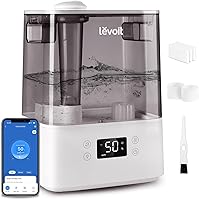
A 6 liter tank with up to 60 hours of runtime suits a large bedroom or a household that hates refills. The Levoit model below is one example.
Levoit says this model covers rooms up to 505 sq ft with 300 mL/h mist output. It has a built-in sensor for auto mode, VeSync app and voice control, and noise at or below 30 dB.
The top-fill design and cleaning brush simplify routine care.
How do you compare cool mist and warm mist for each season?
Cool mist fits summer better when you do run a machine. It adds moisture without adding heat, so a bedroom stays closer to its sleeping temperature.
Warm mist can feel soothing in a cold room, but it adds a heating step and a hot tank to clean.
In both seasons, mist temperature matters less than humidity control. A machine that holds 45% quietly will serve you better than one that blasts mist.
How do you set a humidifier without overdoing it?
Set a humidifier by reading the room, choosing a target, and checking again. Place a hygrometer in the room, run the machine on low or auto, and stop when the reading reaches the middle of the 40% to 50% range.
Start with the door closed for an hour for a clear test. Windows are a useful winter clue, since fog means the air may already hold enough moisture.
Timers and auto shut-off help on busy nights.
Compare seasonal approaches in Are Dehumidifiers Better in Summer or Winter? if your reading stays high in all seasons.
What settings work for overnight use?
Use low or auto mode overnight in either season. A steady low output usually holds humidity better than a loud high burst followed by dry air.
Place the machine where the hygrometer can read the room without sitting in the mist stream.
In winter, lower output if windows fog. In summer, turn it off if the AC already keeps the room near 50%.
Check the tank before bed and keep the cord away from bedding.
How often should you clean the tank?
Clean the tank and base regularly, following the maker instructions. Fresh water, regular wiping, and drying between uses limit scale and slime that can collect in any humidifier.
Empty leftover water rather than topping old water for days.
Use distilled or purified water if your model calls for it. Wash hands before handling the tank.
If you smell mustiness, stop using it until you have cleaned it fully.
Which products fit summer and winter use?
For winter bedrooms, a large tank and auto mode matter most. For summer, the same machine works when AC leaves the room dry, but it should stay off when humidity is already high.
The Vicks model below suits readers who want a filter-free design. Its 1.2 gallon tank provides up to 30 hours of mist, and Vicks says it runs ultra-quiet for bedrooms and nurseries.
It holds up to 2 VapoPads for added soothing comfort.
Filter-free means no replacement filters to buy. The wide tank opening makes filling and cleaning easier, and the size fits medium rooms well.
For a large open space, a bigger tank may cut refills during long dry spells.
When a cold comes with dry winter air, some readers also keep medicine on hand. The Vicks co-pack below is not a humidifier, but it covers day and night cold and flu symptoms with 48 LiquiCaps.
Vicks says DayQuil SEVERE is for daytime relief and NyQuil SEVERE is for nighttime relief. The pack lists relief for headache, fever, sore throat, minor aches, congestion, sinus pressure, stuffy nose, and cough.
Read the label and follow directions.
If readings stay high even after you turn a humidifier off, Can You Use a Dehumidifier in Winter? helps you decide whether moisture removal fits your home.
What mistakes make humidity worse?
Relying on feel instead of a hygrometer is the top mistake. A room can feel dry because it is cool, or feel humid because it is warm, while the actual reading tells a different story.
Running a humidifier at full power all night can push a small bedroom past 50% before morning.
Placing mist against a wall, curtain, or headboard also causes trouble. Paint, fabric, and wood absorb moisture over time.
Aim mist into open air and wipe damp spots promptly.
Skipping cleaning creates a different problem. Scale, slime, and stale water can make a machine less effective.
A short weekly cleaning routine keeps output steady.
How should you decide for your home?
Decide by season, reading, and room type together. Use a humidifier in winter when readings drop below 40%, use it in summer only when AC dries the room, and turn it off above 50% in either season.
For a dry winter bedroom, pick a quiet model with a tank large enough for the night. For a sticky summer bedroom, focus on ventilation and AC settings first.
For a nursery or shared room, quiet operation and auto shut-off deserve extra weight.
Our score weighs specs, features and buyer feedback against what you're shopping for. Measure this week and let the number guide you.
A humidifier earns its place when it holds the room near 40% to 50% without fogged windows, damp walls, or heavy air.
Frequently asked questions
What indoor humidity level should I keep in summer and winter?
Aim for about 40% to 50% relative humidity indoors in either season. Run a humidifier only when a hygrometer shows the room below that range, and stop when it reaches the middle of the range.
In winter, watch windows for condensation as a sign to reduce output.
Is a cool mist humidifier better than a warm mist humidifier?
Cool mist is often simpler for bedrooms because it avoids a hot water tank and heating element. Warm mist may feel more comfortable to some users in cold rooms.
Either type adds moisture, so tank size, noise, cleaning, and controls matter more than mist temperature.
Can running a humidifier in summer cause mold?
It can raise risk if it pushes indoor humidity too high or leaves damp surfaces. Summer air often already carries enough moisture, so measure before running a machine.
Keep indoor humidity below 50%, ventilate when needed, and clean the tank regularly to limit buildup.