Is It Safe to Use a Dehumidifier in a Baby Room?
On this page (8 sections)
- Is It Safe to Run a Dehumidifier in a Baby’s Room?
- Understanding the Importance of Humidity for Babies
- How Dehumidifiers Can Benefit a Baby’s Room
- Safety First: Using a Dehumidifier Around Your Baby
- Dehumidifier vs. Humidifier: Which Does Your Baby Need?
- Quick Checklist for Safe Dehumidifier Use in the Nursery
- Conclusion
- Frequently Asked Questions
Yes, using a dehumidifier in a baby’s room is generally safe and can even be beneficial for their health. When used correctly, it helps maintain an optimal humidity level, which is important for your baby’s comfort and well-being.
High humidity can lead to mold growth, which is unhealthy for anyone, especially little ones. Too low humidity can dry out your baby’s skin and nasal passages, making them more susceptible to irritation and illness. A dehumidifier can help strike that perfect balance.
- Dehumidifiers can be safe for baby rooms.
- They help control indoor humidity levels.
- Proper humidity helps prevent mold and dust mites.
- Low humidity can cause dry skin and breathing issues for babies.
- Always follow manufacturer safety guidelines.
Let’s dive into how a dehumidifier can help and what you need to know to use one safely around your little one.
Is It Safe to Run a Dehumidifier in a Baby’s Room?
Yes, it is generally safe to use a dehumidifier in your baby’s room. When used properly, it can help create a healthier environment for your little one. We understand you want the best for your baby. Making sure their room is comfortable and safe is a top priority. A dehumidifier can be a helpful tool in achieving this.
Understanding the Importance of Humidity for Babies
Humidity is the amount of water vapor in the air. It plays a bigger role in your baby’s comfort and health than you might think. Too much moisture or too little can cause problems.
The Dangers of High Humidity
When humidity levels are too high, typically above 60%, it creates a perfect breeding ground for unwelcome guests. Think mold and dust mites. These can be serious allergens and irritants for anyone, but especially for a baby’s developing respiratory system.
Mold spores can easily become airborne. When inhaled, they can trigger allergies, asthma symptoms, or even sinus infections. Dust mites also thrive in damp conditions. Their waste products are common triggers for allergies and eczema (Cleveland Clinic).
High humidity can also make the air feel stuffy and warm. This can lead to overheating in babies, which is a known risk factor for Sudden Infant Death Syndrome (SIDS) (CDC). Ensuring proper ventilation is key, and a dehumidifier can help manage excess moisture that contributes to these issues.
The Downsides of Low Humidity
On the flip side, air that is too dry, usually below 30% humidity, isn’t ideal either. Your baby’s delicate skin can become dry and itchy. This can lead to discomfort and make them more prone to skin infections.
Dry air can also irritate their nasal passages and throat. This can make them feel congested and uncomfortable. It can even make them more susceptible to colds and other respiratory infections. Think about how your own throat feels when the air is very dry – it’s not pleasant!
We found that maintaining humidity levels between 40% and 60% is generally recommended for optimal comfort and health for infants. A dehumidifier can be instrumental in achieving this balance when the air is too moist.
How Dehumidifiers Can Benefit a Baby’s Room
A dehumidifier essentially works by pulling excess moisture out of the air. It then collects it in a tank, leaving the air drier and more comfortable. This simple process can have several benefits for your baby’s nursery.
Preventing Mold and Mildew Growth
As we’ve discussed, mold loves moisture. By reducing the humidity levels, a dehumidifier actively works to prevent mold and mildew from taking root. This is a major win for air quality. Cleaner air means a healthier environment for your baby to breathe and play in.
Controlling Dust Mite Populations
Dust mites are microscopic creatures that feed on dead skin cells. They are a common trigger for allergies and asthma. They need a certain level of humidity to survive. Lowering the humidity with a dehumidifier makes the environment less hospitable for them.
Improving Air Quality and Comfort
When the air isn’t thick with moisture, it feels fresher and less stuffy. This can lead to better sleep for your baby. Comfort is key for happy babies, and comfortable air contributes to that.
Safety First: Using a Dehumidifier Around Your Baby
While beneficial, safety is always the top concern when it comes to your baby. Using a dehumidifier requires a few smart precautions to ensure it’s completely safe for your little one.
Choosing the Right Dehumidifier
Not all dehumidifiers are created equal. For a baby’s room, we recommend looking for models that are:
- Quiet: A loud machine can disrupt your baby’s sleep. Look for decibel ratings to find a quieter option.
- Energy-efficient: These can save you money on your electricity bill.
- Compact: Smaller units are easier to place without taking up too much space.
- User-friendly: Simple controls and easy-to-empty tanks are a plus.
Ideal Humidity Levels to Aim For
The goal isn’t bone-dry air, but a balanced environment. Many health organizations suggest keeping indoor humidity between 40% and 60%.
A simple hygrometer can help you monitor humidity levels. You can buy these affordably online or at hardware stores. Place it near the dehumidifier to get accurate readings. This allows you to adjust the dehumidifier settings as needed.
When to Use Your Dehumidifier
You’ll likely notice high humidity more in warmer months or in certain climates. If you see condensation on windows or feel a general dampness, it’s probably time to run it. You may not need to run it constantly. Some units have an auto-shutoff feature when the desired humidity is reached.
Placement and Maintenance are Key
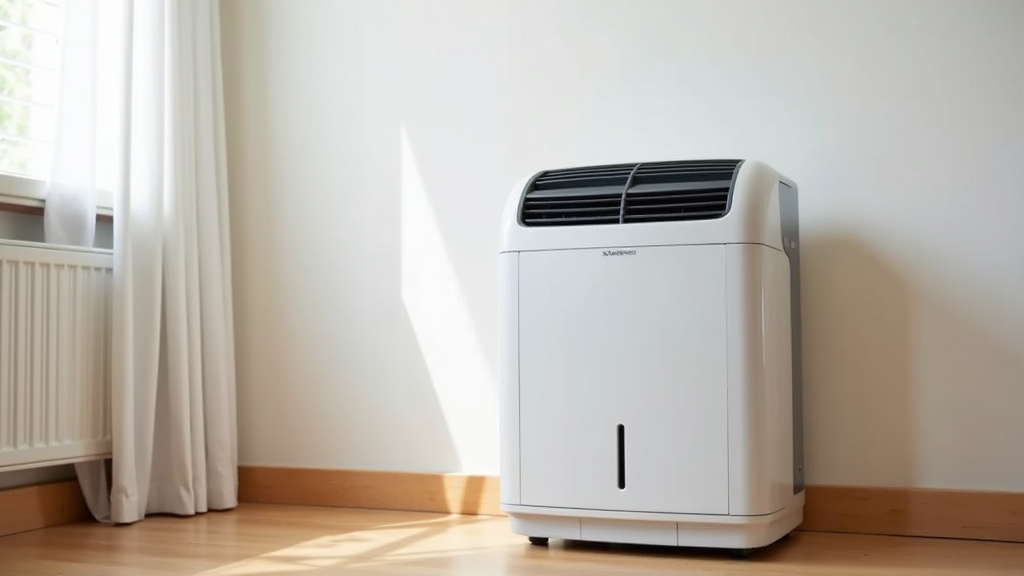
Proper placement ensures the dehumidifier works effectively and safely. Keep it on a level surface. Ensure there’s good airflow around it. Do not place it too close to cribs, curtains, or other items that could block ventilation or pose a tipping hazard.
Emptying the Water Tank
The water tank needs regular emptying. If it fills up, the unit will usually shut off automatically. However, stagnant water can become a breeding ground for bacteria or mold itself. Empty it promptly when it’s full. We found that emptying it daily is often necessary, especially in very humid conditions.
Make sure your hands are clean before handling the tank. Wipe it down with a damp cloth periodically. Some tanks are dishwasher safe, which is a great option for thorough cleaning.
Cleaning Your Dehumidifier
Regular cleaning prevents mold and bacteria buildup within the unit itself. Follow the manufacturer’s instructions for cleaning. This usually involves cleaning the filter and the internal components.
A dirty filter can reduce efficiency and blow dust into the air. We recommend cleaning or replacing the filter monthly, depending on usage and your home’s air quality.
Never Cover or Block the Unit
Just like with any electrical appliance, especially those that heat up or move air, it’s vital to keep them uncovered. Covering a dehumidifier can lead to overheating and is a fire hazard. Ensure nothing obstructs the air intake or outlet vents.
Dehumidifier vs. Humidifier: Which Does Your Baby Need?
It’s easy to get these two confused, but they do opposite jobs. A humidifier adds moisture to the air, while a dehumidifier removes it. You need to know which one is right for your baby’s room based on your home’s environment.
When to Consider a Humidifier
If your home’s air is consistently dry (below 40% humidity), especially in winter months when heating systems dry out the air, a humidifier might be what you need. Signs include dry skin, chapped lips, and irritated nasal passages for your baby.
When a Dehumidifier is the Answer
As we’ve focused on, if your home feels damp, you see condensation, or you’re concerned about mold and mildew, a dehumidifier is the better choice. These issues are more common in humid climates, basements, or bathrooms.
Can You Use Both?
Using both a humidifier and a dehumidifier in the same room at the same time is generally not recommended. They work against each other, and you won’t achieve the desired humidity level. It’s best to identify your primary humidity issue and address it with the appropriate device.
Quick Checklist for Safe Dehumidifier Use in the Nursery
Here’s a quick rundown to keep your baby’s room safe and comfortable:
- Monitor Humidity: Use a hygrometer to keep levels between 40-60%.
- Regularly Empty Tank: Don’t let stagnant water build up.
- Clean the Unit: Follow manufacturer instructions for filter and tank cleaning.
- Ensure Proper Ventilation: Don’t block air vents or place too close to the crib.
- Choose a Quiet Model: Protect your baby’s sleep.
- Unplug When Not in Use: Especially for extended periods or during cleaning.
Conclusion
Using a dehumidifier in your baby’s room can be a safe and effective way to manage humidity levels. By keeping the air comfortably between 40% and 60%, you help prevent mold, dust mites, and respiratory irritants. Remember to choose a quiet model and prioritize regular cleaning and proper placement. Always monitor humidity with a hygrometer to ensure you’re creating the healthiest environment possible. Take these steps to give your little one the best start with clean, comfortable air. Using a dehumidifier in your baby’s room can be a safe and effective way to manage humidity, similar to how it’s used for safe overnight operation in bedrooms.
Frequently Asked Questions
How often should I empty the dehumidifier tank in a baby’s room?
You should aim to empty the dehumidifier tank at least once a day, or whenever it is full. Stagnant water can quickly become a breeding ground for bacteria and mold, which can negatively impact air quality. Promptly emptying the tank ensures the unit runs efficiently and safely.
Can a dehumidifier be too loud for a baby’s nursery?
Yes, some dehumidifiers can be quite noisy. We recommend looking for models specifically designed to be quiet, often with lower decibel ratings. This will help avoid disrupting your baby’s sleep, which is essential for their well-being.
What is the ideal humidity level for a baby’s room?
The ideal humidity range for a baby’s room is generally between 40% and 60%. This range helps prevent the growth of mold and dust mites while also keeping the air from becoming too dry, which can irritate your baby’s skin and respiratory passages.
Do I need a special dehumidifier for a baby’s room?
You don’t necessarily need a special “baby” dehumidifier, but you should look for features that enhance safety and comfort. Prioritize models that are quiet, energy-efficient, and easy to clean. Always ensure it’s placed safely away from the crib and other baby items.
Can I leave a dehumidifier running all the time in my baby’s room?
You can leave a dehumidifier running in your baby’s room, but it’s best to monitor the humidity levels with a hygrometer. Many units have an automatic shut-off feature when the desired humidity is reached, which helps prevent the air from becoming too dry. Adjusting the settings based on your home’s conditions is key.