Evaporative vs Ultrasonic Humidifiers: How to Choose (November 2026)
Choose an evaporative humidifier if you want to limit mineral dust; choose an ultrasonic model if you want mist without a wick filter. Room size, water minerals and how much upkeep you’ll accept should guide your choice.
On this page (7 sections)
- Evaporative humidifier vs ultrasonic: what’s the main difference?
- Which type leaves less mineral residue?
- How much filter upkeep does each method need?
- Which humidifier type is quieter?
- Which type suits a bedroom or nursery?
- How should you choose by room size and daily care?
- Which should you choose: evaporative or ultrasonic?
Choose an evaporative humidifier if mineral residue is your main concern; choose an ultrasonic humidifier if you prefer mist and want to avoid routine wick replacement. The evaporative humidifier vs ultrasonic choice also depends on room size, water minerals and how much fan noise you’ll tolerate.
Evaporative models draw air through a wet wick, while ultrasonic models use vibration to create a fine mist. Both add moisture, but their different methods affect cleaning, filter upkeep and the chance of white dust.
For help comparing capacity and other features across models, start with our best air humidifiers for home guide.
 Best for large-room coverage
AIRCARE Space Saver Large Evaporative Whole House
 Best for smart ultrasonic control
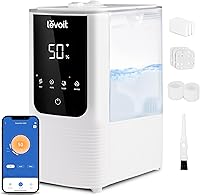
Levoit Classic300S Ultrasonic Smart Top Fill Humidifier
Evaporative humidifier vs ultrasonic: what’s the main difference?
An evaporative humidifier moves air through a wet wick; an ultrasonic unit creates mist from water. That difference shapes residue, filter care and sound.
In an evaporative model, a fan draws room air through a damp wick. Water evaporates into the air, while minerals tend to stay behind in the wick or tank.
An ultrasonic humidifier uses a vibrating element to create cool mist. Minerals in the water can travel out with that mist, so hard tap water may leave white dust on nearby furniture or floors.
Neither method removes the need to clean the tank and water-contact areas. Follow the manual for cleaning frequency and any recommended water type.
Which type leaves less mineral residue?
Evaporative humidifiers are usually the safer choice if white dust from minerals bothers you. Their wick can retain minerals as water evaporates, while ultrasonic mist can carry dissolved minerals into the room.
The amount of residue depends on your water and how you use the unit. If you choose an ultrasonic model, distilled or purified water may reduce mineral deposits; check the manufacturer’s guidance before changing water types.
Keep the unit away from electronics, wood surfaces and fabrics that could collect mist or residue. Clean surfaces and the humidifier regularly, even when you don’t see visible dust.
Is ultrasonic humidifier vs evaporative better with hard water?
An evaporative unit is often easier to live with when your tap water is mineral-rich. Its wick captures some of those minerals, though the wick itself may need more frequent care.
If you prefer an ultrasonic humidifier, consider whether you’re willing to use distilled or purified water and wipe nearby surfaces. The Levoit Classic300S is an ultrasonic option with a 6-liter top-fill tank, app controls and a stated coverage range of 215–505 sq ft.
Compare it with the best Levoit ultrasonic humidifiers.
How much filter upkeep does each method need?
Evaporative models need wick care, while some ultrasonic models are filter-free. The right fit depends on whether you’d rather maintain a wick or manage possible mineral residue.
A wick absorbs water and can collect minerals and other material over time. Check the model’s manual for cleaning and replacement instructions, and include replacement filters in your ongoing care plan.
Some ultrasonic units use no replacement filter. Others include a sponge or filter component, so don’t assume every ultrasonic model is maintenance-free.
The AIRCARE Space Saver includes a 1043 Super Wick and has a 6-gallon capacity with coverage stated up to 2,700 sq ft. Its auto humidistat and automatic shutoff are useful if you need a larger evaporative unit.
Which humidifier type is quieter?
Ultrasonic models are often picked for quiet use, but the exact unit matters. Evaporative models use a fan, which adds moving-air sound as the wick works.
For a bedroom, check noise details and controls for the model you’re considering. The Levoit Classic300S description gives a quiet sleep mode and operation at or below 30 dB, while the Vicks Filter-Free Ultrasonic is described as quiet.
Evaporative fan noise can be a tradeoff for reduced mineral dispersal. If you’re sensitive to sound, place the unit away from the bed and try a lower setting if the controls allow it.
For a closer look at temperature and mist choices, read our cool mist vs warm mist humidifier comparison. If you’re considering a steam-based device, our guide to vaporizer vs humidifier for adults explains how those approaches differ.
Which type suits a bedroom or nursery?
Either method can work in a bedroom if the unit fits the room and its care routine fits your household. Prioritize correct coverage, stable placement and simple cleaning over broad claims about comfort.
The Levoit Sprout is an evaporative option with a 3.8-liter tank, stated coverage of 219 sq ft, a separate humidity sensor and an auto-drying function for its wick. Its filters still need attention.
For a filter-free ultrasonic choice, the Vicks model has a 1.2-gallon tank, up to 30 hours of mist and a wide tank opening for filling. Its stated details don’t include a coverage area, so match it to your room only after checking the manufacturer’s guidance.
A humidifier can add moisture to dry indoor air, but it won’t solve every cause of discomfort. Our guide on do humidifiers work explains what they can and can’t do.
How should you choose by room size and daily care?
Choose a model with coverage that matches the room, then decide which upkeep you can keep up with. A large tank or smart control doesn’t make a unit suitable for every space.
The AIRCARE Space Saver is designed for large areas, with coverage up to 2,700 sq ft. The two Levoit models list more targeted coverage: 215–505 sq ft for the Classic300S and 219 sq ft for the Sprout.
Think about where the unit will sit, how often you can refill it and whether filter changes fit your routine. Keep the humidifier on a stable surface with room around it, and follow the manual for clearances and cleaning.
A hygrometer can help you track humidity rather than guessing. If your home swings between too damp and too dry, see whether you need both a dehumidifier and a humidifier.
Which should you choose: evaporative or ultrasonic?
Pick evaporative if you want to limit mineral dust and accept wick upkeep; pick ultrasonic if you prefer a quiet mist and can manage water quality and cleaning. Then narrow your choice by room coverage and tank care.
You can also compare Honeywell humidifiers for home.
For broad coverage, the AIRCARE Space Saver pairs a 6-gallon tank with a wick and automatic humidity control. For a bedroom or nursery, compare the Levoit Sprout’s evaporative design with the Classic300S or Vicks ultrasonic models based on coverage, filter care and noise.
If an evaporative cooler is also part of your home setup, read Can You Use an Evaporative Cooler with a Dehumidifier? before pairing equipment. That can help you think through how adding moisture interacts with other humidity controls.
Frequently asked questions
Which humidifier type leaves less white dust?
Evaporative humidifiers generally send less mineral dust into the room because water evaporates from a wick while minerals remain behind. Ultrasonic models can disperse minerals from tap water with the mist, which may leave white dust on nearby surfaces.
Water choice and regular cleaning matter with either type.
Do evaporative humidifiers need filters?
Most evaporative humidifiers use a wick or similar filter that needs cleaning or replacement as directed by the manufacturer. That adds ongoing care, but it also catches minerals as water evaporates.
Check the exact model’s manual for filter life and cleaning steps.
Are ultrasonic humidifiers quieter?
Ultrasonic humidifiers are often chosen for quiet operation, though the sound varies by model and setting. Some still make bubbling or fan noise.
Evaporative models use a fan to move air through a wick, so compare the stated noise information and place the unit where its sound is acceptable.
Can an ultrasonic humidifier use tap water?
It may operate with tap water, but minerals can disperse with the mist and settle as white dust. Distilled or purified water can reduce that residue.
Follow the humidifier’s care instructions, and clean the tank and base on the schedule the manufacturer recommends.
Which type is better for a bedroom?
Either type can suit a bedroom if its capacity matches the room and you can maintain it. An ultrasonic model may appeal if quiet operation and no wick replacement matter; an evaporative model may suit you if mineral residue is a concern.
Check the exact model’s coverage and care needs.