Steam vs Bypass Humidifier: Which Fits Your Home? (November 2026)
Choose a steam humidifier for higher output and flexible installation, or a bypass humidifier for a simpler furnace-based setup. Your duct layout, water supply, electrical service and humidity target decide which fits.
On this page (11 sections)
- Steam humidifier vs bypass: which is better?
- How does a steam humidifier work?
- How does a bypass humidifier work?
- Which system needs more electricity?
- Which option gives better humidity control?
- Which humidifier fits a large home?
- What maintenance does each system need?
- Can a room vaporizer replace central humidification?
- Which humidifier fits a Lennox furnace?
- Do you need both a humidifier and a dehumidifier?
- Steam humidifier vs bypass: which should you choose?
Choose a steam humidifier for higher output and flexible installation, or a bypass humidifier for a simpler furnace-based setup. The steam humidifier vs bypass decision depends on your duct layout, water supply, electrical service and target humidity.
A bypass unit sends warm furnace air across a wet water panel and returns the humidified air to the duct system. A steam unit boils or heats water in a separate canister, then sends steam into the ductwork through a dispersion tube.
This comparison focuses on central humidification. The complete guide to the best air humidifiers for home covers room units and whole-home options when you are still deciding which type belongs in your house.
 Best for high whole-home output
AprilAire 800 Whole-House Steam Humidifier
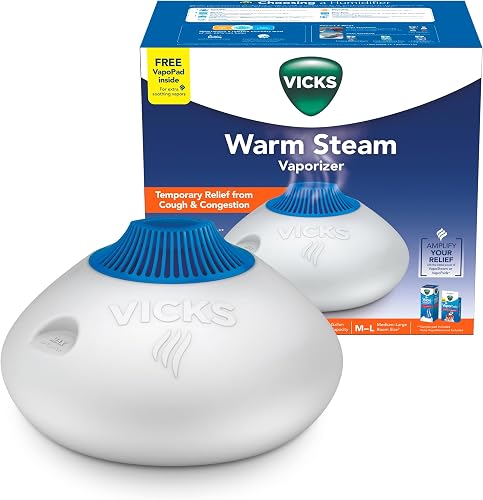 Best for one-room steam relief
Vicks Warm Steam Vaporizer Humidifier for Medium
Steam humidifier vs bypass: which is better?
Steam is the stronger choice for high output and independent humidity control, while bypass is often the simpler choice when your furnace and ducts already support it. Neither technology wins for every home.
A steam humidifier produces moisture by heating water electrically. It can add steam through a dedicated dispersion tube instead of relying on warm air passing across a water panel.
A bypass humidifier uses the furnace air path to move moisture from a water panel into the ductwork. It usually needs a supply-side and return-side duct connection, plus a bypass duct or damper arrangement.
Your best choice starts with the equipment already in place. Check the furnace cabinet, supply and return ducts, drain access, water line and electrical panel before comparing features.
How does a steam humidifier work?
A steam humidifier heats water in a canister and injects the resulting steam into the central air system. The humidifier needs water, a drain path, power and a safe location for its steam outlet.
The AprilAire 800 uses electrode technology. Its product information says water impurities help transfer electricity, so water filtration is not required for that operating method.
This unit has 6 output levels and adds 11.5 to 34.6 gallons of moisture per day, depending on voltage and installation. Its stated coverage reaches 10,300 square feet in tightly built homes.
Automatic control uses indoor relative humidity and outdoor temperature sensors. That lets the system adjust its response as outdoor conditions change instead of relying only on a fixed manual setting.
Steam systems can make sense when the furnace runs less often or when you need moisture during periods of low heat demand. The installation still needs a qualified review because the steam outlet, drain and electrical connection must suit the system.
Steam humidifier vs bypass installation
Steam installation usually needs more dedicated connections, but it can offer more placement flexibility than a bypass unit. The exact work depends on your furnace, duct size, water line and electrical service.
The AprilAire 800 includes a 6-foot steam hose, 10 feet of drain tubing, valves and installation instructions. It also uses a replaceable steam canister as part of its operating design.
A steam dispersion tube must be placed where moisture can mix with moving air without collecting inside the duct. The drain also needs a suitable route for water produced during operation and maintenance.
Do not select a steam unit by square footage alone. Home tightness, insulation, climate, duct layout and the desired humidity level all affect sizing.
How does a bypass humidifier work?
A bypass humidifier uses moving furnace air to evaporate water from a water panel. The furnace blower must move enough air through the humidifier for the system to add useful moisture.
The unit normally connects to the duct system with a bypass path. A damper may be used to open or close that path, depending on the installation and season.
Water flows over the panel while warm air passes through it. Some of that water evaporates into the airstream, while the remaining water drains away.
Bypass systems are often attractive when a compatible furnace and duct layout are already available. They may also avoid the dedicated electrical demand associated with a steam generator.
The tradeoff is dependence on furnace airflow. If the blower does not run often, the bypass unit has fewer opportunities to add moisture.
A home with mild heating demand may need a different control strategy or another humidifier type.
Our guide to types of furnace humidifiers explains how bypass, fan-powered and steam designs differ before you commit to one installation.
Which system needs more electricity?
A bypass humidifier generally has lower electrical demand because it uses furnace airflow, while a steam humidifier uses electricity to heat water. The exact difference depends on the models and how often each system runs.
Steam output requires electrical energy at the humidifier. High-output systems can therefore need a dedicated electrical circuit or a service assessment before installation.
A bypass humidifier uses the furnace blower, which already consumes electricity. That does not make its operating cost zero, since blower runtime, water use and furnace operation still matter.
Compare the complete system rather than looking only at the humidifier. A bypass unit may require more furnace runtime to deliver the same humidity, while a steam unit may add moisture during shorter calls for heat.
Ask the installer to confirm voltage, amperage, wiring and control requirements for the exact steam model. Never assume an open outlet near the furnace is suitable for a high-output humidifier.
Which option gives better humidity control?
Steam usually gives more direct control over output, while bypass performance depends more on furnace airflow and duct conditions. Automatic sensors can improve either system, but controls cannot overcome an unsuitable installation.
The AprilAire 800 has dual sensors that monitor outdoor temperature and indoor relative humidity. Its control system is designed to respond to both conditions across the home.
Bypass control can also use a humidistat, but the available moisture depends on air movement across the water panel. A furnace that cycles briefly may not move enough air for the desired result.
Humidity should be measured with a reliable indoor meter rather than guessed from window condensation or skin comfort. Set the target with weather, insulation, windows and building materials in mind.
Too much indoor moisture can contribute to condensation and other building problems during cold weather. Follow the humidifier instructions and have persistent moisture issues assessed before increasing the setting.
Which humidifier fits a large home?
A steam humidifier is usually the better starting point for a large, tightly built home that needs substantial output. A bypass unit can still work when the furnace, ducts and sizing support the required moisture level.
The AprilAire 800 has a stated coverage of up to 10,300 square feet in tightly built homes. That figure is tied to the unit's output options and installation conditions, so it should not be treated as a universal guarantee.
A bypass humidifier's actual performance depends on furnace airflow, water-panel area, duct temperature and how often the blower operates. A large floor plan does not automatically mean a bypass system will keep every room comfortable.
Use the best whole house humidifier guide to compare central options by home size, control needs and installation type.
What maintenance does each system need?
Bypass maintenance centers on the water panel, drain and airflow path, while steam maintenance centers on the canister, drain and electrical components. Both systems need seasonal inspection and a clean, unobstructed installation.
A bypass water panel can collect mineral deposits and may need replacement according to the system's instructions. Check the drain for blockage and make sure the bypass damper is in the correct seasonal position.
A steam humidifier's electrode canister is a replaceable operating part. The AprilAire 800 product description says the canister, including the electrodes, is replaced at the end of the humidifier season.
Do not scrub or improvise repairs inside either system. Turn off power and water before service, then follow the manufacturer's instructions or use a qualified HVAC technician.
Water quality also matters. The AprilAire 800 is designed to use water impurities for electrode operation, and its product information says filtration is not required.
Reverse osmosis or deionized water may require a different connection point.
Can a room vaporizer replace central humidification?
A room vaporizer can help one room, but it does not replace a central steam or bypass humidifier. It is useful when your need is local, temporary or limited to a bedroom, office or living room.
The Vicks Warm Steam Vaporizer Humidifier for Medium has a 1.5-gallon tank and is designed for rooms up to 600 square feet. It produces warm steam and has automatic shutoff when empty.
The Vicks unit needs refilling and does not send moisture through the home's ductwork. It can suit a single-room problem, but several room units may be less convenient than a correctly sized central system.
Keep warm-steam appliances on a stable surface and follow the safety directions. Do not place a room vaporizer where children can pull it down or where spilled water can reach electrical equipment.
Which humidifier fits a Lennox furnace?
A Lennox furnace does not automatically require one humidifier type. The correct choice depends on the furnace model, duct arrangement, available connections and the installation instructions.
A bypass system may fit when the furnace has suitable supply and return duct access. A steam system may fit when the ductwork can accept a dispersion tube and the home has the required water, drain and electrical connections.
Check the furnace manual and humidifier installation guide together. Our guide to humidifier types for a Lennox furnace covers the questions to ask before choosing a model.
Do not assume that a humidifier made by the same brand as your furnace is the only compatible option. Compatibility depends on the complete installation, controls and air distribution path.
Do you need both a humidifier and a dehumidifier?
You may need different humidity equipment in different seasons, but the two systems should be controlled as one indoor-air plan. A humidifier adds moisture, while a dehumidifier removes it.
A basement, bathroom or tightly closed room may need moisture removal even when bedrooms need winter humidification. Track humidity in the rooms that matter instead of relying on one reading near the furnace.
Read Do I Need a Dehumidifier and a Humidifier? before buying both. If summer moisture is the main issue, compare options in the best dehumidifier for most homes guide.
Avoid running both systems against each other. Use controls, room measurements and seasonal settings to prevent unnecessary operation.
Steam humidifier vs bypass: which should you choose?
Pick steam if you need higher output, automatic sensing or more flexibility around furnace runtime. Pick bypass if your forced-air system has compatible duct access and you prefer a furnace-based design with less dedicated humidifier power.
The AprilAire 800 is the stronger central steam option in this comparison because its stated output, coverage and automatic sensors match large-home humidity needs. The Vicks Warm Steam Vaporizer is a room-scale supplement, not a bypass alternative.
Before you buy, confirm the water line, drain, duct connection, electrical service and control location. If the installation conditions favor a bypass system, compare models in the guide to best whole house humidifier bypass options.
The right steam humidifier vs bypass choice is the one your home can support safely and the one you can maintain each season.
Frequently asked questions
Is a steam humidifier better than a bypass humidifier?
A steam humidifier is usually the better choice when you need higher output, automatic control or more flexibility around furnace operation. A bypass humidifier can be the better fit when your home has compatible ductwork, a suitable furnace system and a simpler installation path.
Does a steam humidifier use more electricity than a bypass humidifier?
A steam humidifier heats water electrically, so its electrical demand is generally higher than a bypass unit that uses warm furnace air. Compare the exact model's electrical requirements with your home's available service before installation, especially when the humidifier must deliver high output.
Can a bypass humidifier work without a furnace?
A bypass humidifier depends on air moving through the furnace and duct system, so it is not a good match for a home without compatible forced-air heating. A steam humidifier has more installation flexibility, but it still needs a suitable distribution point, water connection, drain and power.
Which humidifier is easier to maintain?
A bypass humidifier often has a water panel and needs seasonal inspection, while a steam humidifier needs attention to its canister, drain and water system. The easier option depends on access to the equipment and the maintenance schedule you can follow.
Can a steam humidifier replace a bypass humidifier?
Yes, a steam humidifier can replace a bypass humidifier when the new system is sized and installed correctly. The change may require different water, drain, electrical and duct connections, so confirm the installation plan with a qualified HVAC professional before removing the existing unit.


