
Do I Need a Dehumidifier for a Laundry Room?

You might be wondering, “Do I need a dehumidifier for my laundry room?” The short answer is: it depends on your specific situation, but many homeowners benefit from one. A dehumidifier can be a smart investment if you notice excess moisture or dampness after doing laundry, helping to prevent common household problems.
That damp air can linger and create more than just an unpleasant smell. It can lead to mold growth and even damage your home’s structure over time. Many experts agree that controlling humidity levels is key to maintaining a healthy living environment, especially in moisture-prone areas like laundry rooms. Properly managing this can also help your clothes dry faster.
- Yes, often if you see dampness or smell mildew.
- Helps prevent mold and mildew.
- Can make clothes dry faster.
- Protects your home from moisture damage.
- Look for signs of high humidity.
We’ve done the research to help you figure out if your laundry room is crying out for a dehumidifier. Let’s walk through the signs to look for and how to decide.
Assessing Your Laundry Room’s Humidity Needs
So, you’re asking if your laundry room is a prime candidate for a dehumidifier? The quick answer is: it’s likely yes if you’re noticing lingering dampness or strange smells. We’ve looked into the common culprits and signs that point towards needing one.
Understanding Laundry Room Moisture Sources
Your laundry room is a bit of a moisture factory. Washing machines, especially older ones, can sometimes leak small amounts of water. Then, you have the dryer vent. If it’s not sealed properly or is clogged, moist air can escape into your room.
But the biggest offender is often the clothes themselves. Freshly washed clothes hold a lot of water. When you hang them to dry or even tumble them in a dryer, that moisture has to go somewhere. If your dryer isn’t venting efficiently, or if you’re air-drying a lot, that water vapor can build up.
Signs Your Laundry Room Is Too Humid
How can you tell if your laundry room is suffering from too much moisture? It’s not just about a damp feeling. There are several visual and olfactory cues to watch out for.
Visual Clues to Look For
Start by looking around the room. Do you see any condensation on windows or pipes? This is a classic sign that the air is holding more moisture than it should. Check the walls and ceiling for any signs of water stains or peeling paint, especially near areas where water might be used or stored.
Also, take a peek inside cabinets or closets within the laundry room. Are the walls or stored items feeling damp to the touch? This hidden dampness can be a breeding ground for bigger problems.
The Smell Test
A musty or mildew smell is a pretty strong indicator of excess humidity. This odor comes from mold and mildew, which thrive in moist environments. If your laundry room consistently smells like a damp basement, it’s time to investigate.
Don’t confuse this with the smell of freshly washed clothes. This is a deeper, more persistent smell that suggests something is actively growing. Many experts say that a persistent musty odor is your nose’s way of telling you there’s a moisture issue.
Checking Your Clothes
After doing laundry, do your clothes take an unusually long time to dry, even when using the dryer? Or do they come out feeling stiff and slightly clammy?
This can happen because the ambient air is already saturated with moisture. The dryer is trying to push hot, dry air through, but if the surrounding air is full of water vapor, it’s like trying to dry a sponge in a steamy bathroom. This inefficiency can cost you energy and still leave clothes feeling damp.
Impact on Building Materials
Over time, persistent high humidity can do more than just make things smell bad. It can start to affect your home’s structure. Wood can warp or rot, drywall can weaken, and metal fixtures can rust.
We found that areas like basements and laundry rooms are particularly vulnerable because they are often less ventilated. If you notice any signs of warping on wooden shelves or cabinets, or rust on appliances, it might be linked to chronic dampness.
Why a Dehumidifier Makes Sense for Laundry Rooms
Now that you know the signs, let’s talk about why a dehumidifier is often the best solution. It’s essentially a tool to help you regain control over your home’s moisture levels.
Controlling Mold and Mildew Growth
As we’ve touched on, mold and mildew love damp places. The Centers for Disease Control and Prevention (CDC) notes that mold can cause health problems, including nasal stuffiness, throat irritation, and even asthma attacks in sensitive individuals.
A dehumidifier actively removes moisture from the air. By reducing the humidity to an optimal level, typically between 30% and 50% according to the Environmental Protection Agency (EPA), you make the environment much less hospitable for mold and mildew spores to grow and spread.
Improving Drying Efficiency for Clothes
Remember how we talked about clothes taking forever to dry? A dehumidifier can help speed this up. By removing excess moisture from the air, it creates a drier environment.
This means your dryer doesn’t have to work as hard to evaporate water from your clothes. It can also help if you prefer air-drying. Your clothes will dry more quickly and thoroughly, reducing that lingering damp feeling and smell.
Protecting Your Home and Belongings
We’ve seen how chronic moisture can damage walls, wood, and metal. A dehumidifier acts as a protector for your laundry room and the items stored there.
It helps prevent the subtle but damaging effects of humidity. This includes everything from protecting your stored cleaning supplies from becoming damp and clumpy to keeping books or spare linens in a nearby closet from developing that musty odor.
Creating a More Comfortable Living Space
Beyond the practical concerns, a humid laundry room can make your entire home feel less comfortable. High humidity can make the air feel heavy and sticky. It can even make your air conditioning work harder, potentially increasing your energy bills.
By managing the humidity in this one area, you contribute to a more pleasant atmosphere throughout your house. You’ll notice a difference in how the air feels, especially if the laundry room is near living areas.
Choosing the Right Dehumidifier for Your Laundry Room
If you’ve decided a dehumidifier is the way to go, great! Now, how do you pick the right one? It’s not a one-size-fits-all situation.
Understanding Capacity and Room Size
Dehumidifiers are rated by how many pints of water they can remove from the air in a 24-hour period. For a typical laundry room, which is usually a medium-sized space, a unit that can remove 20 to 30 pints per day is often sufficient.
However, if your laundry room is particularly damp, large, or poorly ventilated, you might need a larger capacity unit. We found that checking the manufacturer’s recommendations for room size is a good starting point.
Key Features to Consider
Many dehumidifiers come with helpful features. An auto-shutoff function is useful; it stops the unit when the water tank is full, preventing overflows. Look for models with an adjustable humidistat so you can set your desired humidity level.
A continuous drain option is a real game-changer for laundry rooms. This allows you to attach a hose to drain the collected water directly into a floor drain or sink, so you don’t have to empty the tank manually. Some units also have a built-in pump for a similar effect if a drain isn’t conveniently located.
Energy Efficiency Matters
Dehumidifiers use electricity, so choosing an Energy Star certified model can save you money on your utility bills in the long run. These models are designed to be more efficient.
While a more energy-efficient unit might have a slightly higher upfront cost, the savings over time can make it a worthwhile investment, especially if you plan to run it frequently.
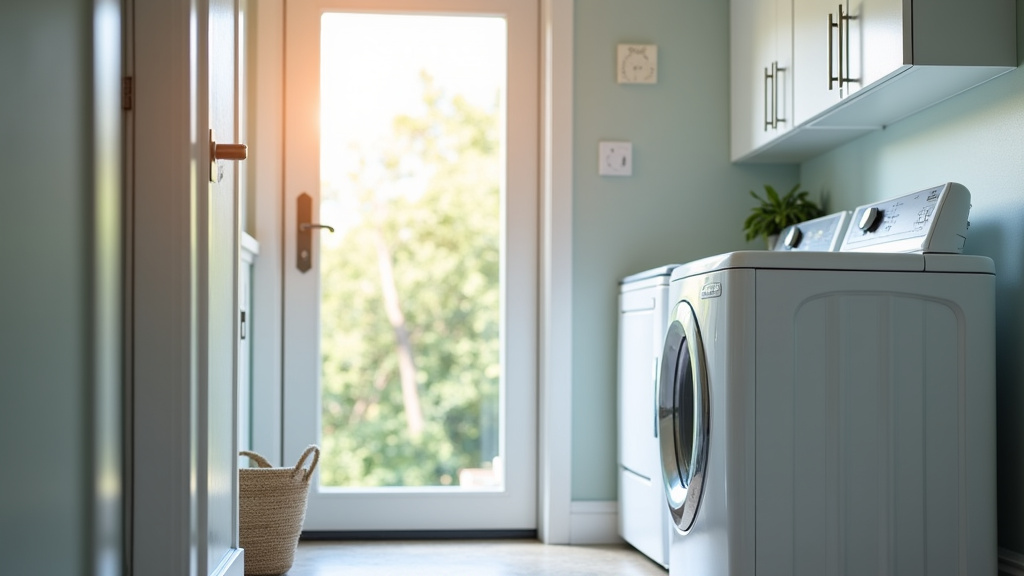
Quick Checklist: Is Your Laundry Room Ready for a Dehumidifier?
To wrap things up, let’s see if your laundry room is sending out SOS signals for moisture control. If you answer “yes” to a few of these, it’s probably time to consider a dehumidifier:
- Do you frequently notice a musty or mildew smell in your laundry room?
- Is there visible condensation on windows, pipes, or walls?
- Do your clothes seem to take an unusually long time to dry?
- Have you seen signs of peeling paint or warped materials in the room?
- Does the air in the laundry room often feel heavy or damp?
Conclusion
It’s clear that a humid laundry room can lead to more than just inconvenience. From musty smells and slow-drying clothes to potential damage to your home, excess moisture is a problem you don’t want to ignore. By recognizing the signs like condensation, mildew odors, or dampness, you can take control. A dehumidifier is often your best ally in combating these issues. Consider your room size and look for features like continuous drainage to make management easier.
Your next step? Assess your laundry room for these moisture indicators. If you find them, it’s time to start researching dehumidifier models that fit your needs and budget to create a healthier, more comfortable home environment.
Frequently Asked Questions
How often should I run my dehumidifier in the laundry room?
You should run your dehumidifier based on the humidity levels in the room. If you notice persistent dampness or smells, running it continuously until humidity drops to the ideal 30-50% is best. Many units have a humidistat that will cycle on and off automatically to maintain your set level.
Can a dehumidifier help with odors in the laundry room?
Yes, a dehumidifier can significantly help with odors. Musty and mildew smells are caused by mold and bacteria that thrive in high humidity. By removing excess moisture from the air, you create an environment where these odor-causing microorganisms can’t survive as easily.
Do I need a special type of dehumidifier for a laundry room?
While any good dehumidifier will work, laundry rooms can benefit from specific features. Look for models with a continuous drain option or a built-in pump. This is because laundry rooms can generate a lot of moisture, meaning you’ll be emptying the collection tank very frequently otherwise.
How large of a dehumidifier do I need for my laundry room?
Capacity is key, and it depends on your room’s size and dampness level. For a standard laundry room, a unit rated for 20-30 pints of moisture removal per day is often sufficient. If your room is larger or particularly prone to dampness, consider a larger capacity unit.
Will a dehumidifier make my clothes dry faster?
Yes, a dehumidifier can indirectly help your clothes dry faster. By removing excess moisture from the air, it creates a drier environment. This allows both dryers and air-drying clothes to release their moisture more efficiently, speeding up the drying process.
