
Do I Need a Dehumidifier for a Office?
Yes, you might need a dehumidifier for your office, especially if you notice sticky air or the smell of mildew. High humidity levels in your workspace can lead to discomfort and potential issues with your equipment. It’s often worth checking your office’s moisture levels to ensure a healthy environment.
Think of your office like any other room in your house. When the air feels clammy or there are signs of moisture buildup, it’s a signal. This doesn’t just affect your comfort; it can impact things like your computer systems and paper documents. We’ve researched common office humidity problems.
- Check for sticky air or musty smells.
- Look for signs of mold or mildew.
- Consider your office’s location (e.g., basement, humid climate).
- Assess if electronics are acting strangely.
Let’s break down what you need to know about whether a dehumidifier is the right choice for your office space.
Is Your Office Too Humid? Here’s How to Tell
You might be wondering if that stuffy, slightly clammy feeling in your office is just normal. It’s not always about temperature. High humidity levels can make your workspace feel uncomfortable. It can also create a breeding ground for things you don’t want around. We’ve found that many offices can benefit from understanding their moisture situation.
So, how do you know if your office is too humid? The easiest way is to pay attention to your senses. Does the air feel sticky or heavy? Do you notice a faint, musty odor, especially when you first walk in? These are classic signs that the moisture content in your air is higher than it should be. It’s like walking into a steamy bathroom after a hot shower, but all day long. This shouldn’t be your daily work experience.
The Ideal Humidity Range for Your Office
Experts generally agree on what makes a comfortable and healthy indoor environment. For most homes and offices, the ideal relative humidity range is between 30% and 50%. When levels creep above 50%, you start to enter the territory where problems can begin to show up. Keeping it within this sweet spot helps prevent issues and promotes a pleasant atmosphere.
Why this range? Below 30%, the air can become too dry, leading to dry skin, irritated throats, and static electricity. Above 50%, it creates an environment where mold, mildew, and dust mites can thrive. These aren’t just annoying; they can impact air quality and even your health. Many guidelines from health organizations highlight the importance of maintaining this balance (CDC).
Signs of High Humidity in Your Workspace
Beyond just feeling sticky, there are other tell-tale signs that your office humidity is too high. You need to be a bit of a detective to spot them. These aren’t always obvious at first glance, but once you know what to look for, they become clear.
Visible Signs of Moisture
The most alarming signs are usually visual. Look for condensation forming on windows, especially on cooler days. This is a direct indicator that warm, moist air is hitting a cold surface. You might also see small patches of mold or mildew appearing on walls, ceilings, or around window frames. They often look like dark spots or fuzzy growth. Keep an eye on areas that don’t get much airflow, like behind furniture or in closets.
Unpleasant Odors
That persistent musty or moldy smell is a strong clue. It’s the scent of mold and mildew growing, often in hidden places. If your office consistently smells damp, even when it’s not raining outside, humidity is likely the culprit. This smell can make your workspace feel unpleasant and even affect your concentration.
Impact on Belongings and Equipment
High humidity can take a toll on your office belongings. Paper documents might start to feel damp or warp. Wooden furniture can swell or show signs of damage. For your valuable electronic equipment, high humidity can be particularly problematic. It can lead to condensation inside devices, causing short circuits, corrosion, and premature failure. You might notice your computers running hotter than usual, or experiencing intermittent issues. Some research suggests that elevated humidity can affect the performance and lifespan of sensitive electronics (NIH).
Health and Comfort Issues
Your personal comfort is a big indicator. Feeling sluggish, experiencing headaches, or noticing increased allergy symptoms like sneezing and a runny nose can be linked to high humidity and the mold or dust mites it encourages. People with asthma or other respiratory conditions are especially sensitive to these changes. It’s not just about feeling uncomfortable; it’s about creating a healthy environment for everyone.
When to Consider Getting a Dehumidifier for Your Office
If you’ve noticed several of the signs above, you’re probably asking yourself, “Do I really need a dehumidifier?” The answer is likely yes if your office consistently struggles with elevated moisture levels. Think of it as a tool to regain control over your indoor environment.
Understanding Your Office’s Location and Climate
Where your office is located plays a huge role. If your office is in a naturally humid climate, like along a coast or in a tropical region, you’re more likely to battle high humidity year-round. Basements or ground-floor offices are also prone to moisture issues, as they are closer to the ground and potential water sources.
Even in drier climates, specific conditions can cause humidity spikes. Leaky pipes, poor ventilation in bathrooms or kitchens, or even recent flooding can temporarily raise moisture levels. We’ve found that understanding your local climate and your building’s specific characteristics is key to deciding if a dehumidifier is necessary.
Assessing Your Current Ventilation and Air Conditioning
Sometimes, the issue isn’t just ambient humidity but a lack of proper air circulation. Your existing air conditioning system does dehumidify to some extent as it cools the air. However, if your AC isn’t sized correctly for your space or isn’t running long enough to complete its cooling and dehumidifying cycle, it might not be enough. Likewise, poor ventilation means moist air can get trapped inside.
We’ve seen situations where upgrading the ventilation or ensuring the AC is functioning optimally can help. But if these measures aren’t sufficient, or if you need more precise control over humidity, a dedicated dehumidifier becomes a more attractive solution. It’s about supplementing what you already have or addressing a problem that existing systems can’t fix alone.
The Role of a Dehumidifier in an Office Setting
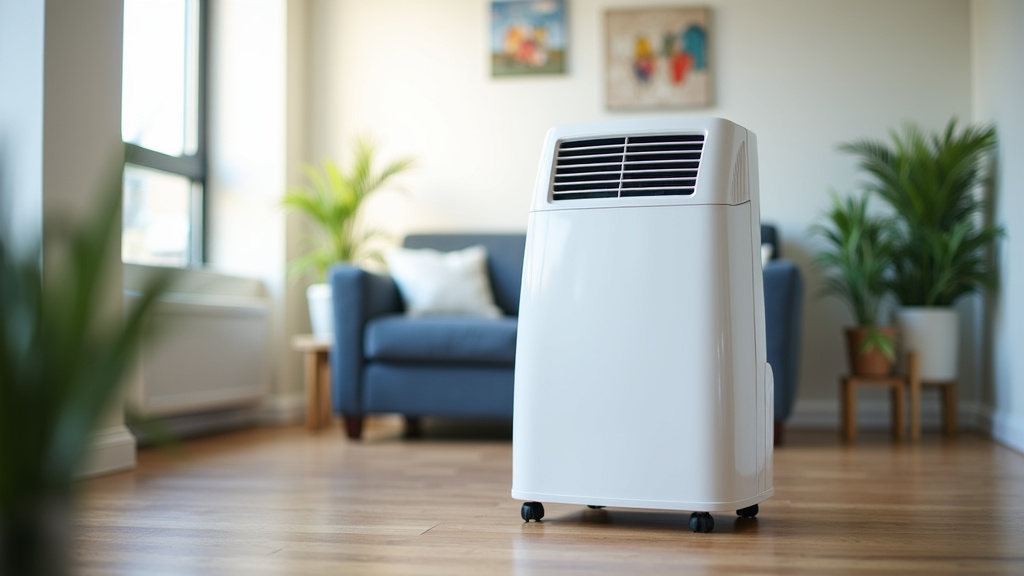
A dehumidifier works by pulling moisture out of the air. It’s essentially an air conditioner that doesn’t cool the air significantly. Warm, moist air is drawn into the unit, passes over cold coils, and moisture condenses. This collected water is then stored in a tank or drained away. The drier air is then released back into the room.
For an office, this means:
- Improved Comfort: No more sticky air, leading to a more pleasant work environment.
- Equipment Protection: Reducing moisture can prevent damage to computers, servers, and other sensitive electronics.
- Healthier Air: Less moisture means a less hospitable environment for mold, mildew, and dust mites, which can improve air quality.
- Preservation of Documents: Protects important papers and files from moisture damage.
It’s a straightforward way to manage a specific environmental factor that can have a big impact.
Choosing the Right Dehumidifier for Your Office Needs
If you’ve decided a dehumidifier is the way to go, the next step is selecting the right one. Not all dehumidifiers are created equal, and the size and capacity you need depend on your office space and the severity of the humidity problem.
Understanding Dehumidifier Capacity and Sizing
Dehumidifiers are typically rated by the amount of water they can remove from the air per day, measured in pints. Common sizes include 20-pint, 30-pint, 40-pint, and 50-pint units. The choice depends on the square footage of your office and how humid it is.
Here’s a general guide:
| Office Size (Square Feet) | Moisture Level | Recommended Capacity (Pints/Day) |
|---|---|---|
| Up to 1,000 | Moderately Humid | 20-30 |
| 1,000 – 1,500 | Moderately Humid | 30-40 |
| 1,500 – 2,500 | Very Humid | 40-50+ |
| Large Spaces / Basements | Extremely Humid | 50+ (Consider multiple units or commercial grade) |
It’s always better to slightly oversize your unit than undersize it. An undersized unit will run constantly and may not keep up, while an oversized unit will cycle on and off more efficiently and dehumidify your space faster (Energy Star).
Key Features to Look For
When shopping, consider these features that are particularly helpful in an office environment:
- Auto-Shutoff: The unit will turn off automatically when the water tank is full. Essential for unattended operation.
- Continuous Drainage Option: Many units have a hose connection for continuous draining into a floor drain or larger container. This saves you from emptying the tank frequently.
- Humidistat: This built-in sensor allows you to set your desired humidity level, and the unit will automatically turn on and off to maintain it.
- Energy Efficiency: Look for the Energy Star label to ensure it runs efficiently and doesn’t drastically increase your electricity bill.
- Noise Level: Offices often require quiet operation. Check the decibel (dB) rating; lower is better.
- Air Filter: Some models include an air filter to trap dust and allergens, improving air quality as they dehumidify.
Quick Checklist: Is a Dehumidifier Right for Your Office?
Before you make a decision, run through this quick checklist:
- Do you often feel sticky or clammy in your office?
- Is there a persistent musty or moldy smell?
- Do you see condensation on windows or walls?
- Are paper documents or wooden furniture showing signs of moisture damage?
- Are electronics behaving erratically or seeming to overheat?
- Does your office have poor ventilation or is it located in a basement/humid climate?
If you answered yes to several of these, it’s a strong indication that a dehumidifier could make a significant positive difference in your office environment.
Conclusion
It’s clear that keeping your office’s humidity in check is more than just a comfort issue; it’s about protecting your health and your equipment. If you’ve noticed that sticky air, musty smells, or are worried about your electronics, taking action is a smart move. Paying attention to the signs we discussed is the first step.
Don’t let excess moisture become a problem. Assess your office environment, and if the signs point to high humidity, consider a dehumidifier. It’s a practical way to create a healthier, more productive workspace. Your next step is to measure your office’s humidity levels with a hygrometer to confirm your suspicions and guide your dehumidifier choice.
Frequently Asked Questions
How do I measure the humidity in my office?
You can easily measure office humidity using a device called a hygrometer. These are readily available online or at hardware stores and are relatively inexpensive. Simply place the hygrometer in your office for a period, and it will display the current relative humidity percentage, helping you determine if it’s within the ideal 30-50% range.
Will a dehumidifier make my office too dry?
Not if you use it correctly. Most modern dehumidifiers have a built-in humidistat that allows you to set your desired humidity level. Once that level is reached, the unit will cycle off, preventing the air from becoming too dry. We recommend using a hygrometer alongside your dehumidifier to monitor levels and adjust settings as needed.
How much electricity does a dehumidifier use in an office?
Dehumidifier energy consumption varies based on its size, capacity, and how often it runs. Energy Star certified models are designed for efficiency and will use less power. Generally, smaller units for moderately humid spaces are more economical to run than larger, high-capacity units in very humid conditions.
Can a dehumidifier help with office allergies?
Yes, a dehumidifier can indirectly help with office allergies. High humidity creates an environment where mold, mildew, and dust mites thrive. By reducing moisture levels, you make your office less hospitable to these common allergens, which can lead to improved air quality and fewer allergy symptoms for occupants.
Do I need a dehumidifier if my office has good air conditioning?
While air conditioning does dehumidify, it’s not its primary function. In very humid climates or spaces with poor ventilation, your AC might not remove enough moisture. If you still experience sticky air or other signs of high humidity despite having AC, a dedicated dehumidifier can provide more effective moisture control and maintain optimal humidity levels.
