
Do I Need a Dehumidifier for a Shed?
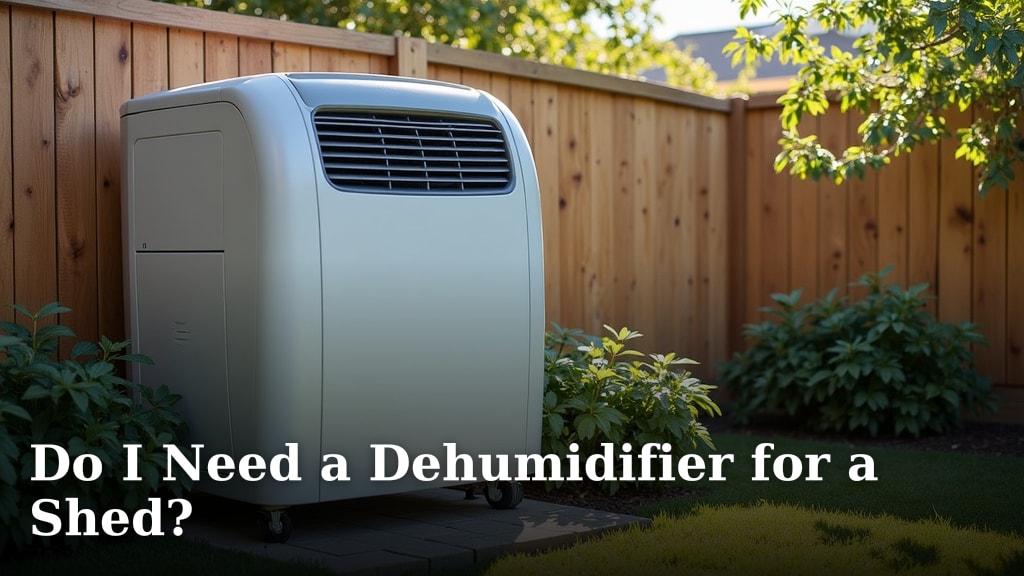
Yes, you likely need a dehumidifier for your shed, especially if you store tools, sensitive items, or if your shed experiences dampness. High humidity in a shed can lead to rust on metal tools and cause mold or mildew growth on stored goods and the shed structure itself. A dehumidifier actively removes excess moisture to keep your belongings safe and dry.
Many homeowners find their sheds become surprisingly humid. This is often due to poor ventilation and the natural exchange of air with the outside. Without addressing the moisture, you risk ruining anything you store in there, from garden furniture cushions to important documents. A dehumidifier is a practical solution to prevent these costly issues.
- Sheds often get damp from poor ventilation.
- Humidity can damage stored items like tools and wood.
- Mold and mildew are common problems in damp sheds.
- A dehumidifier removes moisture to protect your belongings.
- It’s an investment to keep your shed’s contents in good condition.
Below, we’ll walk you through why your shed might be humid and how a dehumidifier can help protect your stored items.
When to Consider a Dehumidifier for Your Shed
You might be wondering if your shed really needs a dehumidifier. It’s a fair question! Think of your shed like a small, uninsulated room that’s often attached to your house, but without the climate control. This means it’s highly susceptible to changes in outdoor weather. If you’ve ever opened your shed door to a musty smell or found dew on your stored items, it’s a strong sign that humidity is a problem.
The main culprits are poor ventilation and moisture entering from the ground or through tiny gaps. When humid air gets trapped, it has nowhere to go. This stagnant, moist air is the perfect breeding ground for unwelcome guests like mold and mildew. It can also wreak havoc on your stored belongings. We’ve found that many people underestimate just how much moisture can build up in these spaces.
Understanding Shed Humidity: What’s Really Happening?
Sheds, especially those made of wood or with concrete floors, are like sponges for moisture. Wood naturally absorbs water from the air and the ground. Concrete can “sweat” when warm, moist air hits its cooler surface. Even metal sheds can trap condensation. This moisture doesn’t just disappear on its own.
Think about the daily temperature swings your shed endures. During the day, things warm up, and the air can hold more moisture. As temperatures drop at night, that same air can no longer hold as much moisture. The excess water vapor then condenses into liquid. This is why you often see dew forming on surfaces inside your shed in the morning.
The Role of Ventilation (or Lack Thereof)
Most sheds aren’t designed with robust ventilation systems. A small window that you rarely open or a gap under the door isn’t enough to move air effectively. Without proper airflow, humid air becomes trapped. This stagnant environment allows moisture to linger and settle on surfaces. It’s like breathing in the same air over and over without any fresh circulation.
This lack of ventilation is a primary reason why humidity levels can climb so high. We’ve seen sheds where the humidity level can be significantly higher than inside the home. This is especially true after rain or during humid summer months. If your shed is in a shaded area or surrounded by dense vegetation, it might also receive less sunlight, which can help dry things out naturally.
Signs Your Shed is Too Humid
Before you invest in a dehumidifier, it’s good to know the tell-tale signs of high humidity in your shed. Catching these early can save you a lot of trouble. Keep an eye out for these common indicators:
- Musty Odors: A persistent damp, mildewy smell is a classic sign of mold or mildew growth, which thrives in humidity.
- Condensation: You’ll notice water droplets on walls, windows, tools, and other surfaces, especially in the morning.
- Damp Items: Stored items, particularly fabrics like cushions or tarps, might feel clammy or damp to the touch.
- Visible Mold or Mildew: Look for fuzzy patches of black, green, or white growth on surfaces, especially in corners or less-ventilated areas.
- Rusting Tools: Metal tools are highly susceptible. You might see a thin layer of rust forming faster than you’d expect.
- Peeling Paint or Warped Wood: Prolonged exposure to moisture can cause finishes to peel and wood to warp or swell.
Why Humidity is the Enemy of Your Shed Contents
Your shed might be a storage space, but it can quickly become a hazard zone for your belongings if humidity isn’t managed. High moisture levels can degrade and damage a wide variety of items. Let’s break down some of the most common issues you’ll face.
Damage to Tools and Metal Items
If you store garden tools, power tools, bikes, or any metal equipment in your shed, rust is your biggest enemy. Humidity accelerates the rusting process dramatically. A light film of moisture on a metal surface is all it takes for oxidation to begin. Over time, this can ruin the integrity and functionality of your tools.
Think about your cherished hand tools or that expensive lawnmower. You want them to last. Rust not only looks bad; it weakens metal, makes moving parts seize up, and can eventually render items unusable. We found that even seemingly dry tools can develop surface rust if left in a humid environment for extended periods.
Deterioration of Wood and Paper Products
Wooden items, whether furniture, lumber, or even craft projects, can suffer from excess moisture. Wood can swell, warp, and even rot over time. This is particularly true for unfinished wood or items stored directly on a damp floor. Paper products, like important documents, photographs, or books, are also at risk.
High humidity can cause paper to become brittle, pages to stick together, and ink to run. Mold can also form on paper, leaving permanent stains and damage. It’s a tough environment for anything organic. Many preservation guides highlight humidity control as a primary concern for delicate materials.
The Threat of Mold and Mildew
This is perhaps the most common and unpleasant consequence of a humid shed. Mold and mildew are types of fungi that thrive in dark, damp environments with poor air circulation. They feed on organic materials, which are abundant in most sheds – dust, wood, fabric, even paint.
The spores are microscopic and are always present in the air. When they land on a damp surface, they can begin to grow. Mold and mildew not only look unsightly; they can release spores into the air, causing respiratory problems for people and pets. They also emit that characteristic musty odor that makes you want to get out of the shed as quickly as possible.
Impact on Fabrics and Upholstery
If your shed is a storage spot for outdoor cushions, canvas covers, tarps, or even clothing, humidity is a major concern. Fabrics can absorb moisture, leading to mildew growth. This can cause permanent staining and a lingering unpleasant smell that’s hard to get rid of. It can also weaken the fibers over time.
Imagine pulling out your patio cushions for the summer only to find they are covered in fuzzy green or black spots. That’s the work of mold and mildew, fueled by that sneaky shed humidity. We’ve seen how quickly this can ruin otherwise perfectly good items.
How a Dehumidifier Solves Your Shed’s Moisture Problem
Now that you understand why your shed is probably too damp, let’s talk about the hero of our story: the dehumidifier. These devices are designed specifically to combat excess moisture in the air. They work by drawing in humid air and removing the water content, then releasing drier air back into the space.
The Simple Science of Dehumidification
Most residential dehumidifiers work on a principle similar to your refrigerator. They use a cooling coil. A fan pulls in the warm, humid air from your shed. This air passes over cold coils. As the air cools, the moisture it holds condenses into water droplets. This water then drips into a collection tank or drains away through a hose.
The now-drier air is then reheated slightly before being released back into the shed. This process is continuous, actively lowering the humidity level. Think of it like a miniature rain cloud forming inside your dehumidifier, but instead of rain, you’re collecting water, and instead of a storm, you’re getting dry air. Many experts recommend maintaining indoor humidity levels between 30% and 50% for optimal conditions (CDC). A dehumidifier helps control mold by reducing the moisture it needs to grow.
Benefits for Your Shed and Its Contents
Using a dehumidifier offers direct protection for everything you store. By keeping humidity levels in check, you prevent rust on metals, inhibit mold and mildew growth, and protect sensitive materials like wood and paper. This means your tools last longer, your stored items are in better condition when you need them, and your shed itself is less likely to suffer from moisture damage.
Beyond protecting your belongings, a dehumidifier can make your shed a more pleasant place to work or visit. No more that overwhelming musty smell! It can also help prevent structural damage to the shed itself, like rotting wood or peeling paint. It’s a proactive way to care for your investment.
Choosing the Right Dehumidifier for Your Shed
Not all dehumidifiers are created equal, and selecting the right one for a shed is important. Sheds can vary greatly in size and how well they are insulated.
Shed Size and Dehumidifier Capacity
Dehumidifier capacity is usually measured in pints of water removed per day. Manufacturers often provide charts recommending a capacity based on square footage and general humidity levels. For a typical backyard shed (say, 8×10 to 10×12 feet), a smaller to medium-sized unit might suffice.
However, if your shed is larger, poorly insulated, or located in a very damp climate, you’ll want to consider a unit with a higher capacity. It’s often better to slightly oversize a unit than undersize it. A unit that’s too small will run constantly without effectively lowering humidity, wasting energy and not doing its job.
Drainage Options: Tank vs. Continuous Drain
Dehumidifiers collect water in a built-in tank. These tanks need to be emptied regularly, which can be inconvenient, especially if you don’t visit your shed often. Many units offer a continuous drain option.
This involves attaching a hose to the unit that allows water to drain directly out of the shed, perhaps into a floor drain or a larger container. If you plan to run the dehumidifier unattended for long periods, a continuous drain setup is highly recommended. We found that this feature significantly reduces maintenance for users.
Energy Efficiency and Features
Consider the energy consumption of the dehumidifier. Look for Energy Star certified models, which are designed to be more efficient. Some units have built-in humidistats that allow you to set a desired humidity level, and the unit will cycle on and off automatically to maintain it. This is far more energy-efficient than a unit running constantly.
Other features to consider include low-temperature operation. Some dehumidifiers are designed to work effectively in cooler temperatures, which might be important if your shed gets quite cold. Always check the manufacturer’s specifications for the unit’s operating temperature range.
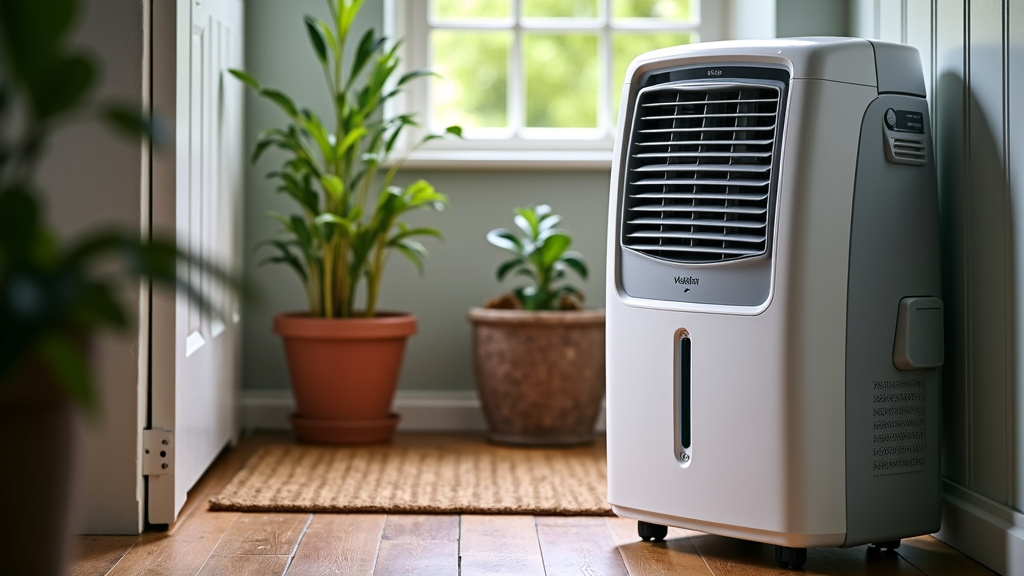
A Quick Checklist for Your Shed’s Humidity Needs
Not sure if you’re ready to commit? Ask yourself these quick questions:
- Does your shed have a persistent musty smell?
- Do you see condensation on surfaces regularly?
- Have you noticed rust on your tools or metal items?
- Are stored fabrics or paper products feeling damp?
- Is your shed poorly ventilated with no airflow?
- Do you store items that are sensitive to moisture?
If you answered “yes” to any of these, it’s a strong indication that a dehumidifier could be a worthwhile investment for your shed.
Conclusion
You’ve learned that your shed is likely a prime spot for humidity issues. This dampness can wreak havoc on your tools, storage, and even the shed itself. Recognizing the signs like musty smells and condensation is key. By understanding how humidity affects your belongings, you can see why a dehumidifier isn’t just an extra gadget, but a smart investment. Taking the step to manage your shed’s moisture will protect your items and preserve your shed for years to come. Your next step? Assess your shed’s conditions and consider the right dehumidifier size and features for your needs.
Frequently Asked Questions
Do I need a dehumidifier if my shed is only used for lawn equipment?
Even lawn equipment can suffer from humidity. Metal parts can rust, and engine components can degrade over time due to moisture. We’ve found that a dehumidifier helps preserve the lifespan of your machinery, preventing costly repairs or replacements down the line.
Will a dehumidifier run up my electricity bill significantly in an unheated shed?
Energy use depends on the unit’s size, efficiency, and how often it runs. Opting for an Energy Star certified model and a unit with a humidistat can help. Research suggests that the cost of replacing damaged items often outweighs the expense of running an energy-efficient dehumidifier.
Can I just open the shed door more often to air it out instead of using a dehumidifier?
While ventilation helps, it’s often not enough, especially in humid climates or during rainy seasons. Opening the door lets in more moist air. A dehumidifier actively removes moisture, providing consistent protection that simply opening the door cannot guarantee.
What’s the difference between a small portable dehumidifier and one designed for a garage or shed?
Units designed for garages and sheds often have higher capacities to handle larger spaces and may be built for cooler operating temperatures. Portable units might struggle in uninsulated shed environments. We found that selecting a unit with a capacity appropriate for your shed’s square footage is important.
How often do I need to empty the water tank on a dehumidifier in my shed?
This depends on the humidity level and the dehumidifier’s capacity. If you’re not using a continuous drain option, you might need to empty the tank daily or every few days. Some larger units have tanks that hold more water, requiring less frequent emptying.
