Do I Need a Dehumidifier for a Warehouse?
On this page (7 sections)
Yes, you likely need a dehumidifier for your warehouse if you’re noticing moisture issues. High humidity can cause a host of problems, from mold growth to damaged goods and equipment. A dehumidifier works by pulling excess moisture from the air, keeping your warehouse environment dry and controlled.
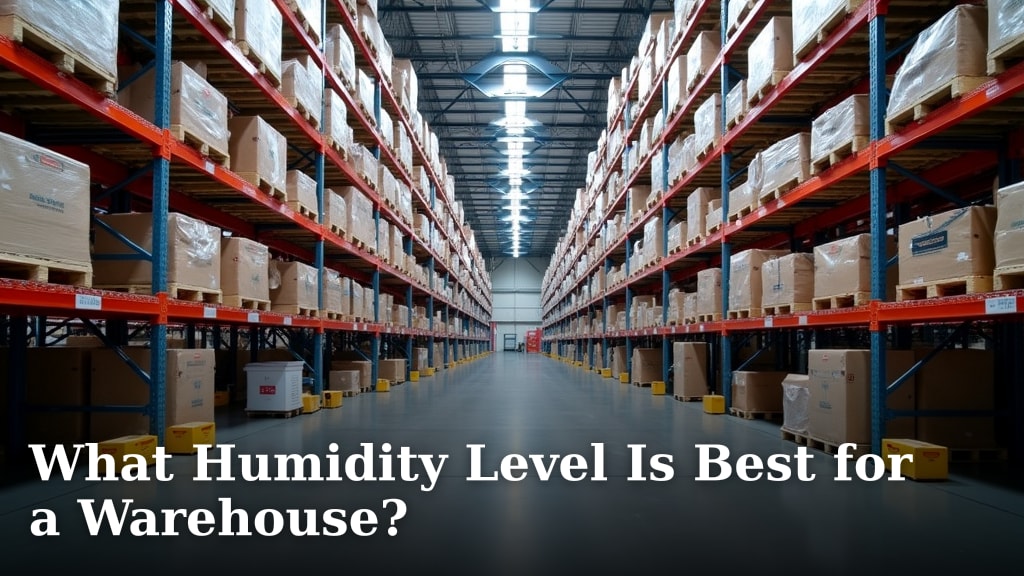
Warehouses are especially prone to moisture because they often have large open spaces and fluctuating temperatures. Without proper ventilation and humidity control, condensation can form on walls and stored items. This creates the perfect breeding ground for bacteria and rot, impacting the quality of your inventory and the health of your facility.
- Understand the signs of high humidity in your warehouse.
- Learn how dehumidifiers combat moisture problems.
- Discover the benefits of maintaining a dry warehouse environment.
- Know when a dehumidifier becomes a necessary investment.
Let’s walk through why a dehumidifier might be the missing piece in your warehouse management strategy and how it can save you from costly damage.
Is Your Warehouse Prone to Moisture Issues?
You might be wondering if your warehouse really needs a dehumidifier. It’s a fair question. Warehouses are large spaces, often with minimal climate control. They can easily become victims of high humidity, especially during certain times of the year. If you’re seeing condensation, smelling musty odors, or noticing damage to your stored goods, the answer is likely yes.
High humidity isn’t just an annoyance; it can lead to significant problems. Think of it like a damp basement. That constant moisture can degrade materials, encourage mold, and even harm sensitive equipment. For a business, this translates to damaged inventory, increased maintenance costs, and potential health hazards for anyone working in the space.
Let’s break down the tell-tale signs that point towards a humidity problem in your warehouse. Paying attention to these details can save you a lot of headaches and money down the line.
Signs Your Warehouse is Too Humid
Your warehouse might be sending out distress signals about its moisture levels. You just need to know what to look for. These signs are your first clue that a dehumidifier could be a smart investment.
Visible Condensation
One of the most obvious indicators is condensation. You might see water droplets forming on walls, ceilings, windows, or even on metal shelving and stored items. This is often called “sweating.” It happens when warm, moist air comes into contact with cooler surfaces. Think about a cold glass on a humid summer day; the same principle applies here, just on a much larger scale.
Musty Odors
That unpleasant, stale smell is often the first thing people notice. This distinctive odor is usually caused by mold and mildew growth. These fungi thrive in damp environments. If your warehouse smells like a forgotten, wet corner, humidity is likely the culprit. This smell can also transfer to your products, making them unsellable.
Mold and Mildew Growth
Beyond the smell, you might actually see fuzzy or discolored patches of mold or mildew. It can appear on walls, cardboard boxes, wooden pallets, or fabric items. Mold doesn’t just look bad; it can release spores into the air, which can be harmful to health. Experts at the Centers for Disease Control and Prevention (CDC) note that mold exposure can cause a range of health effects, from nasal stuffiness to more serious respiratory issues.
Deterioration of Goods and Materials
High humidity can be a silent destroyer of your inventory. Paper products can warp and become soggy. Metals can rust and corrode. Wood can swell and rot. Even plastics can degrade faster when exposed to constant dampness. If you’re noticing unusual wear and tear on items that should be stable, humidity is a likely suspect.
Sticky Surfaces or Clingy Packaging
Sometimes, you might notice that surfaces feel slightly sticky or that packaging materials seem to cling together more than usual. This is another effect of excess moisture in the air. It can make handling products more difficult and affect the integrity of seals on packaging.
Pest Infestations
Believe it or not, damp environments can attract certain pests. Cockroaches and silverfish, for instance, prefer humid conditions. If you’re seeing an increase in these unwelcome visitors, your warehouse’s moisture level might be playing a role. Controlling humidity can help make your warehouse less hospitable to them.
How Dehumidifiers Combat Warehouse Moisture
So, how exactly does a dehumidifier tackle these moisture problems? It’s actually a pretty straightforward process. Think of it as giving your warehouse air a drink, but in reverse – it’s taking the moisture out.
The Basic Mechanism
Most common dehumidifiers work on a principle similar to your refrigerator. They use a cooling coil and a fan. The fan draws in the moist warehouse air. As this air passes over the cold coils, the moisture in the air condenses into water droplets. This water then drips into a collection tank or can be drained away.
Reducing Relative Humidity
The goal is to reduce the relative humidity (RH) level in your warehouse. RH is the amount of water vapor present in the air compared to the maximum amount the air could hold at that temperature. A dehumidifier effectively lowers this percentage. Many experts recommend keeping warehouse RH levels between 40% and 60% for optimal storage conditions, depending on the materials stored.
Types of Dehumidifiers for Warehouses
For warehouse applications, you’ll typically look at two main types::
- Refrigerant Dehumidifiers: These are the most common type. They work best in warmer temperatures (above 65°F or 18°C). They pull moisture from the air by cooling it.
- Desiccant Dehumidifiers: These use a material (desiccant) that absorbs moisture directly from the air. They are more effective in colder temperatures and can achieve very low humidity levels, which might be needed for specific sensitive items.
Choosing the right type depends on your warehouse’s typical temperature range and the specific humidity control needed.
The Benefits of a Dry Warehouse Environment
Maintaining a dry environment in your warehouse isn’t just about avoiding problems; it brings a host of positive outcomes. It’s an investment that pays off in several ways.
Protecting Your Inventory and Assets
This is often the biggest driver. By controlling humidity, you prevent damage to goods. No more worrying about moldy textiles, rusted metal components, or warped wooden items. This means fewer write-offs and a better bottom line. Your equipment also benefits, as excessive moisture can lead to corrosion and electrical issues.
Improving Air Quality and Safety
A dry environment discourages the growth of mold, mildew, and bacteria. This leads to healthier air for your employees. Reducing allergens and irritants can decrease sick days and create a more comfortable working environment. Safety is also enhanced, as slippery, damp floors are less likely to cause accidents.
Reducing Maintenance Costs
Constant humidity can wreak havoc on building materials and equipment. Controlling moisture means less wear and tear on your warehouse structure, ventilation systems, and stored machinery. You’ll likely see a reduction in repair bills and maintenance frequency, saving you money over time.
Ensuring Product Quality and Compliance
For many industries, maintaining specific humidity levels is critical for product integrity and regulatory compliance. Whether you’re storing pharmaceuticals, food, electronics, or archival materials, consistent humidity control ensures that products remain in their intended state. This avoids costly recalls or rejections due to environmental damage.
When is a Dehumidifier a Necessary Investment?
Making the decision to buy a dehumidifier is about weighing the cost against the potential losses. Here’s a simple way to think about it.
Consider your warehouse’s specific conditions and the items you store. If you experience any of the signs mentioned earlier, or if your goods are particularly sensitive to moisture, then yes, a dehumidifier is likely a necessary investment. It’s a proactive step to prevent much larger expenses related to damaged goods, repairs, and potential health claims.
Think about it this way: What is the cost of replacing a damaged shipment? What about the cost of repairing mold remediation? Often, the price of a dehumidifier is a fraction of these potential losses. Many warehouse managers find that the return on investment comes quickly through saved inventory and reduced repair needs.
Factors to Consider Before Buying
Before you commit to a unit, do a little homework:
- Size of the Warehouse: Larger spaces require more powerful units.
- Ceiling Height: Taller warehouses have more air volume to condition.
- Insulation and Sealing: A well-sealed, insulated space holds dry air better.
- External Climate: If you’re in a naturally humid region, you’ll need more robust control.
- Type of Inventory: Highly sensitive goods require stricter humidity control.
- Temperature Range: This determines whether a refrigerant or desiccant model is best.
Capacity and Placement
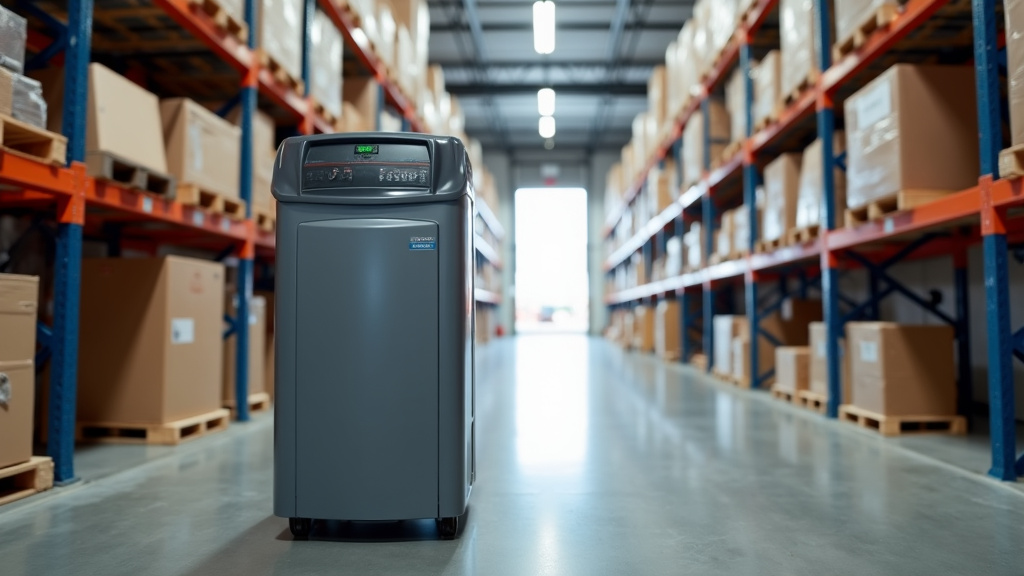
Dehumidifiers are rated by how much water they can remove per day (in pints or liters) and the square footage they can cover. It’s usually better to slightly oversize your unit than to undersize it. Proper placement is also key. You want the unit to draw air from the areas where moisture is highest and allow for good air circulation around the unit.
Drainage Options
Consider how you’ll handle the collected water. Many commercial units have continuous drain hoses, which are ideal for unattended operation. If you opt for a model with a collection tank, you’ll need a plan for regular emptying. Nobody wants a water overflow!
Ultimately, the decision hinges on risk assessment. If the potential costs of high humidity outweigh the upfront investment in a dehumidifier, then it’s not just a good idea, it’s essential for protecting your business operations.
Warehouse Dehumidifier Checklist:
- Assess current moisture levels: Look for condensation, odors, or visible mold.
- Identify sensitive inventory: Note which goods are most at risk from humidity.
- Measure your warehouse space: Get accurate dimensions for unit sizing.
- Consider your typical temperature: This guides the type of dehumidifier needed.
- Determine a drainage plan: How will you manage collected water?
- Budget for the investment: Compare costs to potential inventory losses.
Conclusion
You’ve learned the clear signs that your warehouse is struggling with excess moisture. From condensation and musty smells to visible mold and damaged goods, these are red flags you can’t ignore. A dehumidifier isn’t just another piece of equipment; it’s a strategic investment in protecting your inventory, ensuring product quality, and creating a healthier workspace. By taking proactive steps like assessing your warehouse’s specific needs and choosing the right unit, you can effectively control humidity and prevent costly issues.
Ready to take control? Start by conducting a thorough inspection of your warehouse for moisture indicators, and use that information to find a dehumidifier that fits your space and your budget.
Frequently Asked Questions
How often should I run my warehouse dehumidifier?
For most warehouses, running your dehumidifier continuously is recommended, especially during humid seasons. You’ll want to set it to maintain your desired relative humidity level, typically between 40% and 60%. This ensures consistent protection for your stored items and building structure.
Can a dehumidifier actually help prevent mold in my warehouse?
Yes, absolutely. Mold and mildew thrive in damp conditions. By actively removing moisture from the air, a dehumidifier creates an environment that is inhospitable to mold growth. This is one of the most significant benefits for warehouse air quality and inventory preservation. Yes, a dehumidifier can help control mold growth by reducing moisture.
What size dehumidifier do I need for my warehouse?
The size needed depends on your warehouse’s square footage, ceiling height, and how well-insulated and sealed it is. It’s generally better to choose a unit that’s slightly larger than you think you might need to ensure adequate coverage, especially for larger or less sealed spaces.
Will a dehumidifier increase my energy bill significantly?
While dehumidifiers do use energy, the cost of running one is often far less than the cost of replacing damaged inventory or repairing humidity-related issues. Modern units are also designed for efficiency, and proper sizing can help minimize unnecessary energy use.
Can I use a portable dehumidifier, or do I need a commercial-grade unit?
For most typical warehouse environments, a commercial-grade or industrial dehumidifier is recommended due to the larger air volumes and potential for higher humidity. While portable units can work for very small spaces or temporary needs, they often lack the capacity and durability for a full warehouse setting.