Do I Need a Dehumidifier in an RV?
On this page (8 sections)
Yes, you likely need a dehumidifier in your RV, especially if you spend time in humid climates or during certain seasons. RVs can become breeding grounds for mold and mildew without one, leading to Yes, you likely need a dehumidifier for your RV, especially if you spend time in humid climates or during certain seasons.musty smells and potential damage to your camper. A dehumidifier helps maintain a comfortable and healthy environment.
High humidity levels in an RV can cause more than just discomfort. We found that excess moisture can lead to condensation on windows and walls, which in turn encourages the growth of mold and bacteria. This can damage RV interiors and even affect your health, so controlling the moisture is super important for any RVer, particularly those who travel frequently.
- RVs are prone to humidity issues.
- Excess moisture can cause mold and damage.
- A dehumidifier controls moisture levels.
- It keeps your RV smelling fresh and healthy.
- Consider your travel climate and season.
Let’s dive into why humidity is such a big deal in an RV and how a dehumidifier can be your best friend on the road.
Is an RV Dehumidifier a Necessary Investment?
If you’re wondering whether you truly need a dehumidifier for your RV, the short answer is probably yes. Think of your RV as a mini-house on wheels. Just like a house, it can trap moisture. This trapped moisture can cause a lot of unpleasant problems. We’ve found that controlling humidity is key to a comfortable and healthy RV experience.
Many RVers overlook this aspect of mobile living. They might think, “It’s just a small space, how much humidity can there be?” But RVs are particularly susceptible. They are often parked in damp locations, have limited ventilation compared to a stick-built home, and small leaks can go unnoticed for a long time. We found that without proper moisture management, your RV can quickly become a haven for mold and mildew, which can damage your vehicle and even affect your well-being.
Understanding RV Humidity: Where Does It Come From?
You might be surprised by how much moisture accumulates inside your RV. It’s not just about rainy days or humid climates. Everyday activities contribute significantly. Cooking, showering, and even breathing all release water vapor into the air. When this vapor has nowhere to go, it condenses. We found that this condensation is the primary culprit behind many RV humidity issues.
Everyday Activities That Add Moisture
Let’s break down where that extra moisture comes from. Every time you boil water for pasta or make coffee, you’re adding water vapor. A simple shower, even with the fan on, can still leave behind a good amount of humidity. And yes, we all breathe out moisture! In a small, enclosed space like an RV, these small contributions add up quickly. We found that these daily habits are a major source of your RV’s humidity.
Environmental Factors and Your RV
Beyond your daily routine, the environment plays a huge role. If you love camping in lush forests, near lakes, or by the ocean, you’re already dealing with naturally high ambient humidity. Even parking your RV in a shady spot can trap dew. We’ve also seen that significant temperature changes can cause condensation. Warm, moist air hitting cool surfaces, like windows or metal walls, will form water droplets. This is especially common during cooler nights after a warm day.
The Hidden Culprit: Leaks and Poor Sealing
Sometimes, moisture issues are more serious. Small leaks around windows, roof vents, or seals can let external moisture in. These might not be obvious drips, but a slow, persistent ingress of water can keep your RV perpetually damp. We found that these hidden leaks can be incredibly difficult to detect without specialized tools or a keen eye. They create a breeding ground for mold even when you’re actively trying to keep things dry.
The Consequences of High RV Humidity
Ignoring high humidity levels in your RV isn’t a good idea. The consequences can range from minor annoyances to serious damage and health concerns. You want your RV to be a sanctuary, not a source of sickness or costly repairs. We’ve seen firsthand how unchecked moisture can impact both the RV and its occupants.
The Smell Test: Musty Odors and Mildew
The most immediate sign of excess humidity is often the smell. That classic “old camper” or “musty” odor is usually a strong indicator of mold or mildew growth. These fungi thrive in damp environments. They can grow on upholstery, curtains, carpets, and even inside walls. We found that this smell isn’t just unpleasant; it can also be a sign of an unhealthy living space.
Damage to Your RV’s Interior and Structure
Mold and mildew don’t just smell bad; they can actively damage your RV. They feed on organic materials, which are abundant in RV interiors. This can lead to stained fabrics, warped wood, and deteriorated insulation. Over time, severe mold growth can compromise the structural integrity of your RV. Many experts point to moisture damage as a leading cause of significant depreciation in RV value (RVIA).
Health Implications for RV Occupants
This is where things get really serious. Mold spores can trigger allergies, asthma, and other respiratory problems. Symptoms can include sneezing, coughing, itchy eyes, and difficulty breathing. For individuals with pre-existing respiratory conditions, mold exposure can be particularly dangerous. The Centers for Disease Control and Prevention (CDC) warns that mold exposure can cause a range of health issues, especially in enclosed spaces.
Condensation: The Visible Warning Sign
Have you noticed water droplets forming on your windows? Or maybe on the metal parts of your interior? That’s condensation, and it’s a clear sign that your indoor humidity is too high. This moisture then provides the perfect environment for mold to start growing on these surfaces. We found that condensation is often the first visual clue that you need to take action.
How a Dehumidifier Solves Your RV Humidity Woes
A dehumidifier is essentially a moisture magnet for your RV. It actively removes water vapor from the air, helping to maintain a healthy and comfortable environment. It’s a simple yet effective solution to a common RV problem. We’ve found that using one can make a world of difference in your RVing experience.
The Basic Working Principle of a Dehumidifier
Most portable RV dehumidifiers work on a refrigeration cycle. They draw in moist air using a fan. This air then passes over cold coils. As the air cools, the moisture it holds condenses into water. This water is collected in a tank or drained away. The now drier air is then reheated slightly and released back into the RV. We found this process efficiently lowers the overall humidity levels.
Benefits of Using an RV Dehumidifier
The advantages of using a dehumidifier are numerous. You’ll notice a fresher smell immediately. Your RV will feel more comfortable, as less humid air feels cooler. You’ll also help protect your investment by preventing moisture damage. Plus, you’re creating a healthier living space for yourself and any guests. Many RVers report that it significantly improves their sleep quality.
Here’s a quick rundown of the benefits:
- Reduces Musty Odors: Eliminates the damp smell associated with mold and mildew.
- Prevents Mold Growth: Keeps surfaces dry, making it inhospitable for fungi.
- Protects Your RV: Shields furniture, electronics, and structural components from moisture damage.
- Improves Air Quality: Creates a healthier environment, especially for allergy sufferers.
- Increases Comfort: Drier air feels more pleasant and less sticky.
- Minimizes Condensation: Keeps windows and walls free from water droplets.
Choosing the Right Size and Type for Your RV
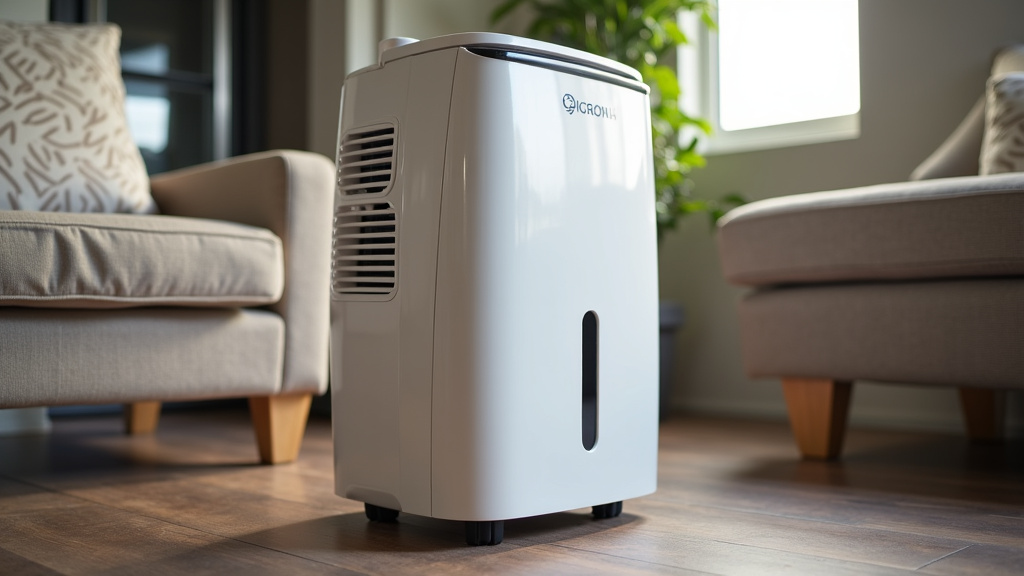
Not all dehumidifiers are created equal, and size matters for RVs. You don’t need a massive unit designed for a large house. Look for compact, portable models. They typically measure their capacity in pints of water removed per day. For most RVs, a unit that can remove 20-30 pints per day is often sufficient. We found that considering your RV’s square footage and your typical travel climate is essential.
Here’s a quick comparison to help you:
| RV Size | Recommended Dehumidifier Capacity (Pints/Day) | Considerations |
|---|---|---|
| Small Travel Trailer (under 20 ft) | 10-20 | Compact size is key; prioritize energy efficiency. |
| Medium Class C or Fifth Wheel (20-30 ft) | 20-30 | Balancing capacity with power consumption is important. Look for auto-shutoff features. |
| Large Class A or Toy Hauler (30+ ft) | 30-50 | Consider units with continuous drainage options and higher capacity. |
When looking at models, also consider noise levels. You don’t want a loud appliance running constantly. Some units offer built-in humidistats, which allow you to set your desired humidity level, and the unit will cycle on and off as needed. We found that features like a built-in humidistat are highly convenient.
Tips for Effective RV Dehumidifier Use
Simply running a dehumidifier isn’t always enough. To get the most out of your unit, you need to use it strategically. Think of it as a tool in your arsenal against moisture, not a magic bullet. We’ve gathered some tips that can help you maximize its effectiveness.
Placement is Key
Positioning your dehumidifier correctly can significantly improve its performance. Place it on a flat, stable surface, ideally in a central location. Ensure there’s adequate airflow around the unit. Don’t block the air intake or exhaust vents. We found that keeping it away from walls and furniture allows it to circulate air more efficiently.
Drainage Options: Tank vs. Hose
Most portable dehumidifiers have a water collection tank. You’ll need to empty this regularly, which can be a bit of a chore. Many units will shut off automatically when the tank is full. If you plan to run the dehumidifier for extended periods, especially when you’re away from your RV, consider a model with a continuous drainage option. This usually involves attaching a hose to a drain port, allowing the water to be pumped out or gravity-drained. We found that a continuous drain is a lifesaver for busy RVers.
When to Run Your Dehumidifier
Running your dehumidifier constantly might not be necessary and can use extra power. For optimal results, run it during times when you’re likely to generate the most moisture. This includes when cooking or showering. Many RVers also run their dehumidifier overnight. If you’re storing your RV, running it periodically or using a low-setting with a good drainage solution can prevent issues.
Combine with Other Moisture Control Methods
A dehumidifier is powerful, but it works best when combined with other good habits. Always use exhaust fans when cooking or showering. Open windows and vents when weather permits to allow for air exchange. Check for and repair any leaks promptly. We found that a multi-pronged approach to moisture control yields the best results.
A Checklist for Your RV Moisture Management
Are you ready to take control of your RV’s humidity? Here’s a quick checklist to get you started. Implementing these steps will help ensure your RV stays dry, fresh, and healthy.
- Assess your typical travel climate and seasons.
- Consider the size of your RV for proper dehumidifier sizing.
- Look for a unit with a convenient drainage option (tank or hose).
- Ensure good airflow around the dehumidifier when in use.
- Use exhaust fans during cooking and showering.
- Regularly inspect for and address any potential leaks.
Conclusion
As you’ve seen, managing humidity in your RV is vital for comfort, health, and protecting your investment. While daily activities and environmental factors can quickly increase moisture levels, a dehumidifier offers a straightforward solution. It actively combats condensation, prevents mold and mildew growth, and keeps your RV smelling fresh. By understanding where moisture comes from and how a dehumidifier works, you can make an informed decision about adding this helpful appliance to your setup. Take the next step today by assessing your RV’s needs and choosing a dehumidifier that fits your travel style.
Frequently Asked Questions
Can I just use an air conditioner to control RV humidity?
While air conditioners do remove some moisture as they cool, they are not as effective as a dedicated dehumidifier. AC units often cycle off before they have a chance to significantly reduce humidity levels, especially in very damp conditions. A dehumidifier is designed specifically to remove water from the air.
How much electricity does an RV dehumidifier use?
The power consumption varies by model, but most RV-friendly dehumidifiers use between 200 to 500 watts. It’s a good idea to check the wattage before purchasing to ensure your RV’s electrical system can handle it, especially if you plan to run it while not plugged into shore power. Look for energy-efficient models to minimize battery drain.
Do I need to empty the water tank constantly?
It depends on the unit’s capacity and how humid it is inside your RV. Smaller units might need emptying daily, while larger ones might last longer. If you want to avoid frequent emptying, especially when you’re away from your RV, consider a model with a continuous drainage hose option.
Is it okay to run a dehumidifier while my RV is in storage?
Yes, running a dehumidifier while in storage is highly recommended, especially if you live in a humid climate. It helps prevent mold, mildew, and musty odors from developing in your stored RV. Just ensure you have a reliable drainage solution, like a continuous drain hose, so the unit doesn’t overfill.
What’s the difference between a dehumidifier and a desiccant dehumidifier for an RV?
Most portable RV dehumidifiers use a refrigeration process, similar to your home’s AC. Desiccant dehumidifiers use a material that absorbs moisture. Refrigerant models work best in warmer temperatures, while desiccant models are often more effective in cooler conditions and are typically quieter. Refrigerant units tend to be more energy-efficient in warmer climates.