
How Much Do Whole Home Dehumidifiers Cost?
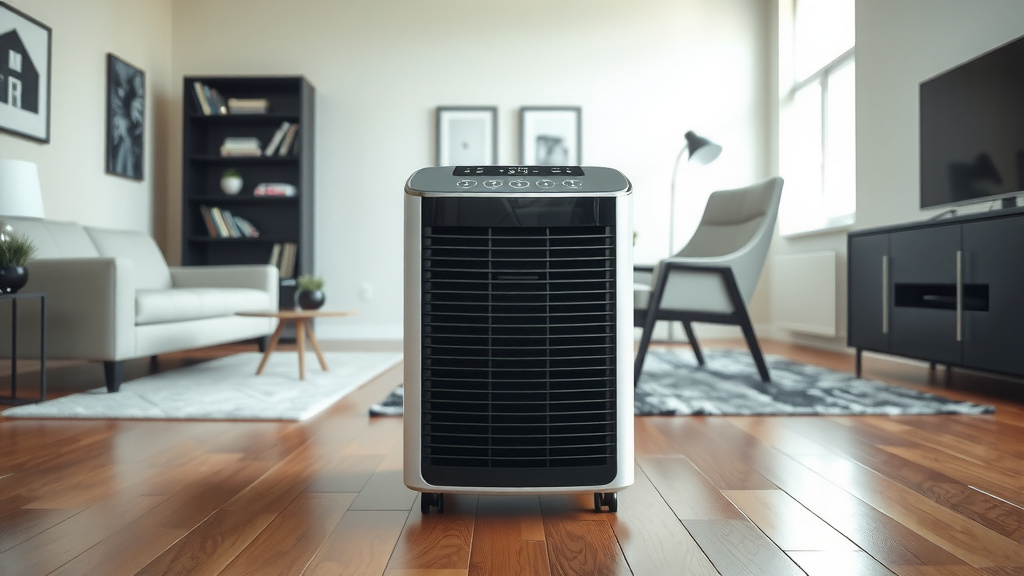
Whole home dehumidifiers typically cost between $1,000 and $3,500 for the unit alone.
Installation can add another $500 to $1,500, bringing the total estimated cost to $1,500 to $5,000 for a complete whole home dehumidifier system.
Here’s a quick overview of what to expect regarding whole home dehumidifier costs:
- The dehumidifier unit itself usually ranges from $1,000 to $3,500.
- Professional installation can cost an additional $500 to $1,500.
- Your total investment often falls between $1,500 and $5,000.
- Key factors include the unit’s size, brand, and how complex your home’s HVAC system is.
- While it seems like a big step, think about the long-term benefits for your comfort and home’s health.
How Much Do Whole Home Dehumidifiers Cost?
Generally, a whole home dehumidifier system will cost you anywhere from $1,500 to $5,000. This includes both the dehumidifier unit and its professional installation. Many experts agree this range covers most residential setups (HVAC.com).
Why Do You Even Need a Whole Home Dehumidifier?
You might wonder if a whole home dehumidifier is right for you. If your home often feels damp, smells musty, or you see condensation on windows, you probably need one. High humidity affects your comfort and your home’s well-being.
Stopping Mold and Mildew
Excess moisture is a perfect breeding ground for mold and mildew. These unwelcome guests can grow on walls, ceilings, and even inside your ducts. A dehumidifier keeps moisture levels low, making it harder for them to thrive (CDC).
Protecting Your Home’s Structure
Persistent humidity can cause serious damage to your home. Wood can warp, paint might peel, and even flooring can suffer. We found that managing humidity helps preserve your home’s structural integrity over time.
Improving Indoor Air Quality
When humidity is too high, the air in your home can feel heavy and stagnant. This also means more dust mites and allergens can hang around. A dehumidifier helps clean up your indoor air, making it fresher.
Boosting Your Comfort
Have you ever felt sticky and hot even when the thermostat is set low? That’s high humidity at play. By pulling moisture from the air, your home will feel cooler and much more comfortable. You might even find yourself lowering the AC use.
Breaking Down the Costs: Unit Price
The dehumidifier unit itself is a major part of your overall expense. These units are designed to work with your existing HVAC system or as standalone components. Prices vary based on their capacity and features.
Standard Units vs. High-Capacity Models
Smaller homes or those in mildly humid climates might use a standard unit, costing around $1,000 to $2,000. Larger homes, or those in very damp regions, will need a high-capacity model. These powerful units can cost from $2,000 to $3,500.
Popular Brands and Their Price Ranges
Just like cars, different brands offer different price points and features. We found some popular brands include AprilAire, Santa Fe, and Honeywell. AprilAire units often start around $1,500, while Santa Fe can begin closer to $2,000 for their larger systems.
Installation Expenses: What to Expect
Installing a whole home dehumidifier is not a simple plug-and-play job. It requires skill and knowledge of HVAC systems. This is why professional installation is almost always recommended.
DIY vs. Professional Installation
Could you install it yourself? Perhaps, if you have extensive HVAC experience. However, most homeowners choose professional installation. This ensures proper integration and avoids costly mistakes. DIY installation might save a few hundred dollars initially but risks future problems.
HVAC Integration Complexity
The dehumidifier connects to your existing ductwork. This means precise wiring and duct modifications. The complexity of your current HVAC setup will affect labor hours and thus, the cost. A simpler system often means a quicker, cheaper installation.
Ductwork Modifications
Sometimes, your existing ductwork needs slight adjustments or new sections added. This ensures the dehumidifier can effectively pull moisture from and distribute dry air throughout your entire home. These modifications add to the installation bill.
Ongoing Costs: Energy and Maintenance
Once your whole home dehumidifier is running, there are still some costs to consider. These are usually much lower than the initial investment but are important for long-term planning.
Power Consumption
Like any appliance, dehumidifiers use electricity. Modern whole home units are designed to be energy-efficient. We found that running one might add $20-$50 to your monthly energy bill, depending on your climate and usage (EPA).
Filter Replacements
Your dehumidifier has filters that need regular changing. This keeps the unit running efficiently and maintains air quality. Filters typically cost $20-$50 and need replacing every 6-12 months.
Annual Servicing
Many experts recommend an annual check-up by an HVAC professional. This ensures the unit is clean, calibrated, and working properly. An annual service call might cost $75-$150, but it often prevents larger, more expensive repairs.
Factors That Influence the Final Price Tag
Many variables can swing the final price up or down. Understanding these helps you budget realistically. Think of it like buying a car; the base model is one price, but add-ons change everything.
| Factor | Impact on Cost |
|---|---|
| Unit Capacity (Pints/Day) | Higher capacity = higher unit cost. |
| Brand Reputation | Premium brands often cost more. |
| Installation Complexity | Difficult access or extensive duct changes add labor costs. |
| Geographic Location | Labor rates vary by region. |
| Special Features | Digital controls, smart home integration, advanced filtration increase price. |
Is a Whole Home Dehumidifier a Smart Investment?
You’re looking at a significant investment, so it’s fair to ask if it’s worth it. Many homeowners find the benefits far outweigh the costs. It’s about your comfort, health, and protecting your most valuable asset.
Comparing With Portable Units
Portable dehumidifiers are cheaper upfront, typically $150-$400. However, they only treat one room at a time and require manual emptying of water. A whole home unit offers consistent, effortless humidity control for your entire house.
Long-Term Savings and Benefits
Think about what you gain. Less mold means fewer potential health issues. Protecting wood and furnishings saves on repair or replacement costs. You might even feel comfortable enough to raise your AC temperature by a degree or two, saving on cooling bills.
A Checklist Before Buying
Ready to move forward? Here’s a quick checklist to help you make an informed decision:
- Get at least three quotes from different HVAC professionals.
- Understand the unit’s capacity and if it matches your home size.
- Ask about energy efficiency ratings (Energy Star certified units are good).
- Inquire about warranty details for both the unit and installation.
- Discuss ongoing maintenance and filter replacement needs.
- Confirm if any rebates or incentives are available in your area.
Conclusion
Investing in a whole home dehumidifier is a choice that affects your home’s health and your family’s comfort for years to come. While the cost can range from $1,500 to $5,000, consider it a protective measure against moisture damage and poor air quality. By researching options, getting multiple quotes, and understanding ongoing expenses, you can make a decision that brings lasting comfort and peace of mind.
What is the average lifespan of a whole home dehumidifier?
Most whole home dehumidifiers are built to last a good while. With proper maintenance and regular filter changes, you can expect your unit to last anywhere from 8 to 15 years. Some high-quality units may even go beyond that.
Do whole home dehumidifiers work with all HVAC systems?
Generally, yes, whole home dehumidifiers are designed to integrate with most existing HVAC systems. They can work with central air conditioning, furnaces, or heat pumps. However, a professional evaluation is always recommended to ensure seamless compatibility.
Can a whole home dehumidifier help with allergies?
Yes, absolutely! By reducing humidity, these units help control common allergens like dust mites and mold spores, which thrive in moist environments. This can greatly improve indoor air quality and bring relief to allergy sufferers (Mayo Clinic).
Is it more energy-efficient to run a whole home dehumidifier or multiple portable units?
In most cases, a single whole home dehumidifier is more energy-efficient for an entire house. Portable units often struggle to keep up with moisture across several rooms and use more energy collectively. The whole home unit is designed for consistent, efficient operation throughout your space.
Are there any signs my home desperately needs a dehumidifier?
Definitely! Look for condensation on windows, a persistent musty odor, visible mold or mildew spots, or wood that feels damp or spongy. If you often feel sticky indoors even when it’s not hot, that’s another clear sign your home could benefit from a dehumidifier.
