
How Much Dehumidifier Do I Need?
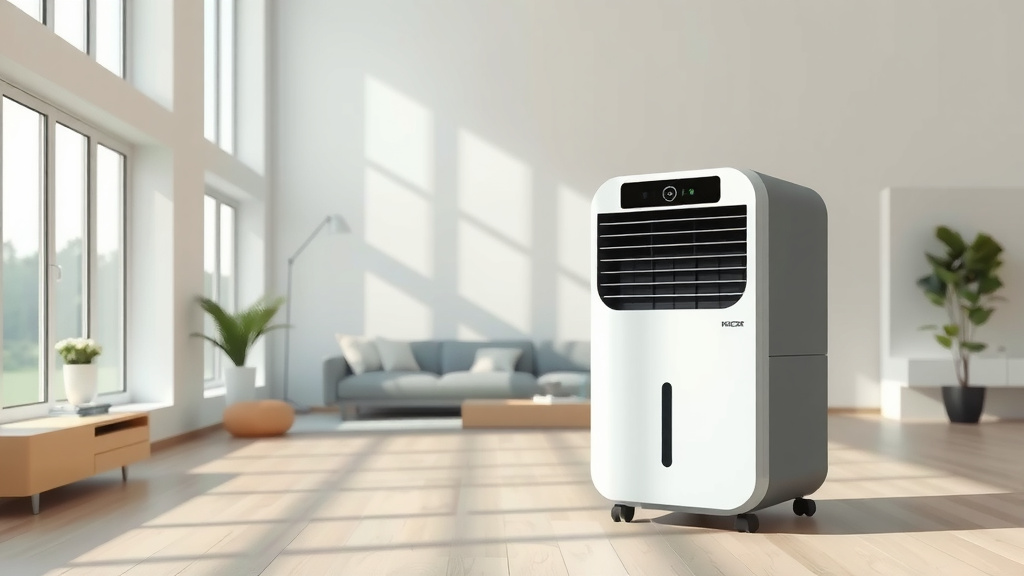
You need a dehumidifier sized according to your space’s square footage, current humidity levels, and specific moisture challenges. The capacity is typically measured in pints of water removed per day.
A common rule of thumb suggests a 30-pint dehumidifier for a 500 sq ft space with moderately damp conditions, scaling up for larger or wetter areas.
Here’s a quick overview of what you’ll find below, helping you pick the perfect dehumidifier:
- Your space’s size directly impacts the dehumidifier capacity you need.
- How damp your area feels helps determine the right power level.
- Specific challenges, like a leaky basement, require a stronger unit.
- Portable units are great for single rooms, while whole-house options cover everything.
- Proper sizing prevents mold growth and protects your belongings effectively.
How Much Dehumidifier Do I Need?
Figuring out the right dehumidifier size might seem a bit tricky. But it is simpler than you think. You need a unit powerful enough to handle your unique moisture situation effectively.
Why Dehumidifier Sizing Really Matters
Imagine buying shoes that are too small. They pinch, hurt, and simply don’t do the job. A dehumidifier that’s too small works constantly, runs inefficiently, and often fails to bring humidity down to a comfortable level.
On the flip side, a unit that’s too large might cycle on and off too frequently. This can leave your air feeling clammy because it doesn’t run long enough to circulate air or remove enough moisture. It also uses more energy than necessary.
Understanding Dehumidifier Capacity: Pints Per Day
Dehumidifiers are rated by how many pints of water they can remove from the air in 24 hours. This is their “pint capacity.” The higher the number, the more moisture it can tackle.
When you see a 50-pint dehumidifier, that means it can pull 50 pints of water out of the air daily. This rating is based on specific test conditions, usually 80°F and 60% relative humidity (AHAM standards).
Key Factors for Choosing the Right Size
Selecting the perfect dehumidifier depends on a few important things. Let’s walk through them together. You’ll want to consider your room size, how damp it typically gets, and any other special conditions.
Your Space’s Square Footage
The first step is measuring your room. A small bedroom will need less power than a large open-plan living area. Grab a tape measure and note the length and width of the room.
Then, multiply these numbers to find your square footage. This measurement gives us a good starting point for your dehumidifier hunt. We found that this is a critical first step in the process.
Current Humidity Levels
How does the air feel in your space? Is it just slightly damp, or does it feel like a tropical rainforest? This “dampness” level is crucial. You might need a hygrometer to get an exact reading.
Many experts say that ideal indoor humidity should be between 30% and 50% (EPA guidelines). Levels above 60% invite mold growth and dust mites. This is where a good dehumidifier comes in.
Initial Sizing Guidelines Table
This table offers general recommendations. Remember, these are starting points. You might need to adjust based on your specific conditions.
| Room Size (Sq Ft) | Slightly Damp (50-60% RH) | Moderately Damp (60-70% RH) | Very Damp (>70% RH) |
|---|---|---|---|
| 500 | 30 Pint | 40 Pint | 50 Pint |
| 1000 | 40 Pint | 50 Pint | 60 Pint |
| 1500 | 50 Pint | 60 Pint | 70 Pint |
| 2000+ | 60 Pint | 70+ Pint | 80+ Pint |
When to Go Up a Size
Sometimes, your space needs a little extra muscle. We found that several factors might mean you should choose a dehumidifier one size larger than the chart suggests. Think of these as “boosters.”
- Basements or Cellars: These areas naturally hold more moisture.
- Crawl Spaces: Often very damp and prone to condensation.
- Rooms with Poor Ventilation: Bathrooms or laundry rooms without proper vents.
- Frequent Water Sources: Clothes dryers venting indoors, lots of indoor plants.
- Signs of Mold or Mildew: If you already see or smell it, you need more power.
- Excessive Condensation: Water droplets on windows or walls are a clear sign.
Special Considerations for Specific Areas
Not all rooms are created equal when it comes to humidity. Your basement, for example, has very different needs than a living room. Let’s look at some common problem areas.
Basements and Crawl Spaces
These underground or semi-underground spaces are often humidity hotspots. They tend to be cooler and less ventilated, which means moisture gets trapped. We often recommend sizing up for these areas.
Many experts suggest a dehumidifier specifically designed for basement conditions (Energy Star). These units often have continuous drainage options, so you don’t have to empty them constantly.
Garages and Workshops
If you store tools or work on projects in your garage, humidity can be a real problem. Rust and warping wood are common issues. A dedicated dehumidifier can protect your investments.
Consider a unit with a wider operating temperature range for garages. They can get quite cold in winter and very hot in summer. You need a unit that can handle those extremes.
Whole-House Dehumidifiers
For persistent humidity issues throughout your home, a whole-house dehumidifier might be the answer. These integrate with your HVAC system. They control humidity evenly across all rooms.
While a larger initial investment, whole-house systems offer convenience and superior performance. They are set and forgotten, quietly doing their job. We found that these provide the most consistent results.
Checklist for Choosing Your Dehumidifier
To make your decision even easier, here’s a quick checklist to guide you:
- Measure your room’s square footage accurately.
- Assess the dampness level (slightly, moderately, very).
- Consider any specific moisture sources (leaks, poor ventilation).
- Think about drainage options (manual vs. continuous).
- Check the operating temperature range, especially for cold spaces.
- Look for energy-efficient models to save on electricity.
Conclusion
Choosing the right dehumidifier size is a lot like tailoring a suit: it needs to fit your space perfectly. By understanding your room’s size, its general dampness, and any specific challenges, you can select a unit that works efficiently and keeps your home comfortable.
Don’t settle for a unit that’s too small or too large. Invest a little time in research, and you’ll find the perfect dehumidifier to protect your home and enhance your indoor air quality. Your belongings and your comfort will thank you!
How do I know if my dehumidifier is too small?
If your dehumidifier runs constantly, but your humidity levels remain high (above 50-60%), or you still see condensation or smell mustiness, it is likely too small for your space. It cannot keep up with the moisture load.
Can a dehumidifier be too big for a room?
Yes, a dehumidifier can be too big. An oversized unit will quickly reach its target humidity, shut off, and not run long enough to circulate air or filter enough moisture. This can leave the air feeling clammy and less comfortable.
What is the ideal indoor humidity level?
Many experts and health organizations recommend maintaining indoor humidity levels between 30% and 50% relative humidity. This range helps prevent mold growth, dust mites, and other moisture-related issues while keeping the air comfortable.
Do I need a dehumidifier in every room?
Generally, you do not need a dehumidifier in every room. A properly sized unit in a central location, or specific problem areas like a basement, can often manage humidity for the entire living space. If you have distinct, separate problem rooms, then multiple units might be useful.
How often should I empty my dehumidifier?
How often you empty your dehumidifier depends on its capacity and the humidity level it’s removing. In very damp conditions, you might need to empty a smaller unit daily. Many models offer continuous drainage options, like connecting a hose, to avoid manual emptying altogether.
