
How Much Does a Dehumidifier Cost to Run a Month?
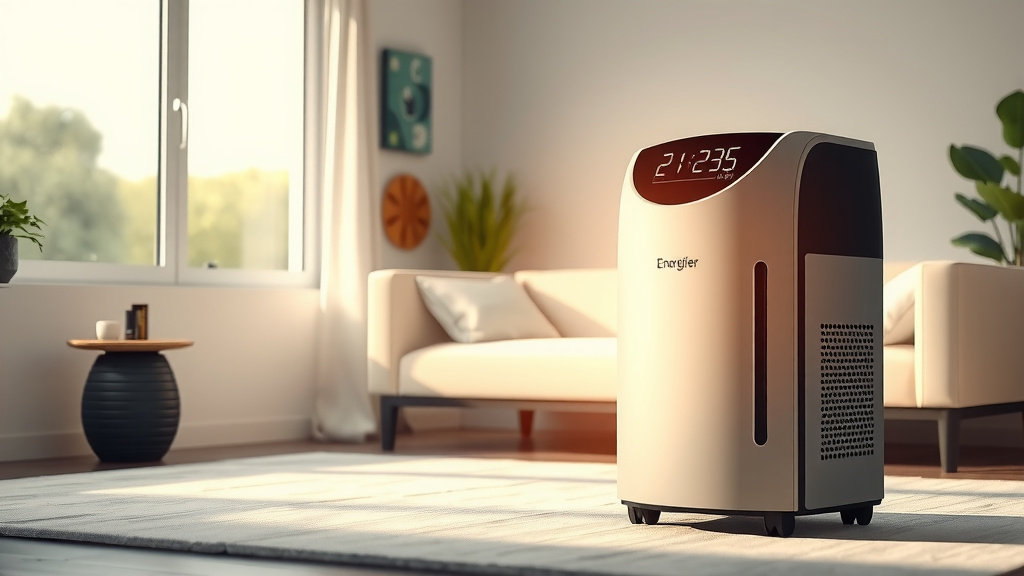
Running a dehumidifier typically costs between $10 to $40 per month, depending on its size, energy efficiency, and how often you use it.
You can expect your electricity bill to increase by an average of $0.30 to $1.50 per day for most standard household models, making monthly costs quite manageable.
- Dehumidifier running costs generally fall between $10-$40 per month.
- Factors like size, energy efficiency, and local electricity rates play a big role.
- You can estimate your cost by multiplying wattage, hours used, and your electricity rate.
- Choosing an Energy Star certified model can significantly lower your expenses.
- Proper maintenance and strategic use help reduce your monthly operational costs.
How Much Does a Dehumidifier Cost to Run a Month?
For most homes, the cost to run a dehumidifier averages $10 to $40 each month. This estimate provides a good starting point for budgeting your household expenses.
The exact figure depends on several important factors that we will look at more closely. You can control many of these variables to manage your spending.
Understanding the Factors That Influence Running Costs
Thinking about your dehumidifier’s running cost feels a bit like solving a puzzle. There are a few key pieces that all fit together. Let’s break down what truly impacts your monthly bill.
We found that understanding these elements can help you make smarter decisions about your purchase and usage habits.
Dehumidifier Size and Capacity
Just like cars, dehumidifiers come in different sizes. A small 30-pint unit uses less power than a larger 70-pint model. A smaller unit is perfect for a single room, while a bigger one handles an entire basement.
The larger the unit, the more moisture it can remove daily, but it also typically uses more electricity to operate.
Energy Efficiency (Energy Star)
This is a big one. An Energy Star certified dehumidifier is like a fuel-efficient car; it does its job using less energy. These models are designed to be more cost-effective over time.
Many experts say choosing an Energy Star model can save you a noticeable amount on your electric bill (EPA).
Your Electricity Rates
Electricity prices vary a lot by location. You might pay 10 cents per kilowatt-hour (kWh) in one state, and 20 cents in another. This rate directly impacts your running cost.
Check your utility bill for your exact cost per kilowatt-hour. This number is crucial for accurate calculations.
How Often You Use It
Are you running your dehumidifier 24/7 or only for a few hours a day? This choice makes a huge difference. Running it constantly will naturally lead to a higher monthly expense.
Many people find they don’t need to run it all the time, especially during dryer seasons or in less humid areas of their home.
Calculating Your Dehumidifier’s Monthly Cost
Ready to do some quick math? You can estimate your own cost with a simple formula. It’s like baking a cake – you need the right ingredients.
First, find your dehumidifier’s wattage. It’s usually on a sticker on the back or in the manual. Let’s say it’s 500 watts (0.5 kW).
Then, decide how many hours per day you’ll run it, say 12 hours. And your electricity rate is $0.15 per kWh.
Here’s the calculation: (Watts / 1000) x Hours per Day x Days per Month x Cost per kWh. For our example: (500 / 1000) x 12 hours x 30 days x $0.15/kWh = $27 per month.
Different Types and Their Energy Use
Different dehumidifier types have varied energy demands. Understanding these differences can help you select a model that suits your needs and budget.
We found that selecting the right size for your space is a key factor in energy efficiency and overall cost.
| Dehumidifier Type/Size | Capacity (Pints/Day) | Avg. Watts (Approx.) | Est. Monthly Cost (Avg.) |
|---|---|---|---|
| Small (Portable) | 20-30 | 200-300 | $10 – $20 |
| Medium (Portable) | 30-50 | 350-500 | $20 – $35 |
| Large (Portable) | 50-70 | 500-700 | $35 – $50 |
| Whole-House (Duct) | 90-150 | 600-1000 | $40 – $70+ |
Why Run a Dehumidifier? The Hidden Benefits
Beyond just a number on your bill, a dehumidifier offers some pretty amazing advantages. It’s not just about comfort; it’s about protecting your home and your health.
Many homeowners invest in these units for the long-term benefits they provide, which often outweigh the running costs.
Protecting Your Home from Damage
Excess humidity is a silent destroyer. It can warp wooden furniture, flooring, and even damage electronics. Imagine saving thousands in repairs by spending a few dollars a month.
A dehumidifier helps keep your home’s structure sound and prevents costly moisture-related damage (FEMA).
Improving Indoor Air Quality
One of the biggest culprits in humid homes is mold and mildew growth. These can trigger allergies and respiratory issues. Your dehumidifier actively fights this battle.
Research often connects lower indoor humidity levels with a reduction in mold spores and dust mites (CDC).
Comfort and Health
Think about walking into a sticky, muggy room. Not pleasant, right? A dehumidifier makes your living space feel much more comfortable. It removes that clammy feeling from the air.
This improved comfort can even make you feel cooler, possibly allowing you to raise your AC thermostat a degree or two, saving even more energy.
Smart Strategies to Cut Running Costs
Want to be a savvy dehumidifier owner? There are several ways you can reduce how much you pay each month. It’s all about being smart with your setup and usage.
These practical tips can help you get the most out of your dehumidifier while keeping your wallet happy.
- Choose an Energy Star Rated Model: These are certified to be more efficient.
- Seal Leaks: Prevent humid air from entering your home.
- Use a Humidistat: Set it to your desired humidity (around 50% is ideal). The unit will only run when needed.
- Clean Filters Regularly: A dirty filter makes the unit work harder, using more energy.
- Place It Strategically: Put it in the dampest area, away from walls.
- Empty Water Bucket Promptly: Some units stop when full.
Choosing the Right Dehumidifier (Checklist)
Before you buy, consider these points to ensure you pick a unit that’s both effective and cost-efficient. It’s like picking the right tool for the job.
A little planning now can save you money and headaches down the road.
- Does it have an Energy Star rating?
- Is the capacity right for your space? (e.g., 30-pint for small room, 70-pint for large basement)
- Does it have a built-in humidistat?
- Does it have a continuous drain option?
- Is the noise level acceptable?
When to Run Your Dehumidifier for Best Value
You don’t always need to run your dehumidifier. Knowing when to switch it on can save energy. Think about the seasons and how humid your area gets.
Strategic use means you’re only paying for it when it’s truly making a difference in your home’s air quality.
Monitoring Humidity Levels
The ideal indoor humidity level is generally between 40% and 50%. You can buy a cheap hygrometer to measure this. If it goes above 50%, it’s time to run your unit.
Many dehumidifiers come with a built-in humidistat that automatically turns them on and off to maintain your chosen level.
Seasonal Use
For most climates, summer and spring are the prime times for dehumidifier use. These seasons often bring higher outdoor humidity levels. In drier months, you might not need it at all.
Consider running it only when you feel that damp, clammy air inside your home.
Quick Maintenance Tips for Efficiency
Just like any appliance, your dehumidifier needs a little care to perform its best. Regular maintenance can significantly impact its running costs and lifespan.
A well-maintained unit works more efficiently, meaning it uses less electricity to achieve the desired humidity levels.
Always clean the air filter every few weeks or months, depending on use. A clogged filter restricts airflow, making the motor work harder. Also, check the coils for frost or dust build-up.
Conclusion
Understanding how much a dehumidifier costs to run each month puts you in control. While the average is $10 to $40, your exact cost depends on your choices and habits. By picking an Energy Star model, using a humidistat, and keeping up with maintenance, you can keep those energy bills surprisingly low.
Investing in a dehumidifier is an investment in your home’s health, your comfort, and protection against costly moisture damage. The small monthly running cost is often a worthwhile expense for the significant benefits it brings.
How do I know if my dehumidifier is costing too much?
If your electricity bill has jumped noticeably and your dehumidifier runs constantly, it might be costing too much. Check its age, filter cleanliness, and ensure it’s not oversized or undersized for the space. An older, less efficient unit will typically use more power.
Can a dehumidifier make my home feel cooler?
Yes, indirectly. High humidity makes the air feel warmer and stickier. By removing moisture, a dehumidifier makes the air feel drier and more comfortable at the same temperature. This can allow you to set your air conditioner a few degrees higher, potentially saving on AC costs.
Is it better to run a dehumidifier continuously or intermittently?
It’s usually better to run it intermittently using a humidistat. Set your desired humidity level (around 45-50%), and the unit will cycle on and off as needed. Continuous running is only necessary in extremely damp conditions, which will increase your electricity usage significantly.
What is the most energy-efficient dehumidifier size?
The most energy-efficient size is one that matches your specific space and humidity needs. An undersized unit will run constantly and struggle, while an oversized one might short-cycle and still use excess energy. Consult a sizing chart based on room square footage and dampness level for the best match.
Does emptying the water bucket affect running costs?
Emptying the water bucket doesn’t directly increase or decrease running costs. However, many dehumidifiers automatically shut off when the bucket is full. If you don’t empty it, the unit stops working and won’t remove moisture, defeating its purpose. Using a continuous drain option can prevent these interruptions and ensure constant operation when needed.
