How to Dehumidify a Closet?
On this page (8 sections)
Dealing with a musty closet can be a real drag. The easiest way to dehumidify a closet is to use a desiccant like silica gel packets or a small dehumidifier. This helps prevent mold and keeps your clothes smelling fresh.
A damp closet is more than just an annoyance; it can damage your belongings. Excessive moisture can lead to mildew growth and even attract pests. Keeping your closet dry is key to preserving your wardrobe and preventing unpleasant odors from taking over your space.
- Use silica gel packets or a small dehumidifier.
- Ensure good airflow in your closet.
- Consider a moisture absorber product.
- Empty and clean your closet regularly.
Let’s walk through exactly how you can tackle that damp closet and keep it fresh, step by step.
Keeping Your Closet Dry: A Step-by-Step Guide
A damp closet can be a breeding ground for trouble. It’s not just about stinky clothes. Excessive moisture can lead to mold and mildew growth. This can damage fabrics, stain items, and even affect your home’s air quality. Let’s tackle this common problem head-on and help you keep your closet dry and fresh.
Why Does My Closet Get So Damp?
Understanding the “why” is the first step to solving the problem. Closets are often enclosed spaces. They don’t usually have much ventilation. This makes them prone to trapping moisture. Several factors can contribute to this:
Poor Air Circulation
Many closets are sealed off. They lack windows or vents. Clothes packed tightly also block airflow. This trapped air holds onto moisture. Think of it like a tiny, stuffy room where the air can’t escape.
Humidity from Outside
If you live in a humid climate, that moisture can seep in. It might come through walls or under doors. Even bringing in damp clothes from a humid day can add moisture.
Leaky Pipes or Water Damage
Sometimes, the problem is more serious. A leaky pipe behind a closet wall can cause constant dampness. Water damage from a past event can also leave lingering moisture in building materials.
Damp Items Stored
Are you storing sports gear or gym clothes in your closet? If they aren’t fully dry, they’ll release moisture. This can quickly make the whole closet damp.
Simple Solutions for Closet Dehumidification
You don’t need a major renovation to fix a damp closet. There are many easy and affordable ways to manage moisture. We’ve found that a combination of approaches often works best.
Natural Desiccants: The Silent Moisture Absorbers
Desiccants are materials that soak up moisture from the air. They are a fantastic, low-tech solution. You can find them in various forms.
Silica Gel Packets
You know those little packets that come in shoe boxes or electronics packaging? Those are silica gel. They are super effective at absorbing moisture. We recommend saving them whenever you find them. You can also buy them in larger quantities online or at craft stores. Scatter a few of these packets on shelves or in corners. When they feel saturated, you can often dry them out in a low oven and reuse them.
Activated Charcoal
Like silica gel, activated charcoal is a powerful absorbent. It not only wicks away moisture but also helps neutralize odors. You can buy charcoal absorbers designed for closets. They usually come in breathable bags. Place these bags on shelves or hang them from the closet rod. They’re a great, natural option that lasts a long time.
Calcium Chloride Moisture Absorbers
These are perhaps the most common type of disposable moisture absorber. They often come in a tub or hanging bag. As they absorb moisture, they collect water in the bottom of the container. They are very effective but need to be replaced once full. Many brands are available, and they are widely sold in home improvement and grocery stores. Just be careful not to tip them over once they’ve collected water.
Ventilation: Let Your Closet Breathe
Airflow is your best friend when it comes to fighting closet dampness. Think of it as giving your closet a chance to exhale.
Don’t Overstuff Your Closet
This is a big one. Cramming too many clothes into a closet blocks air pathways. Try to leave some space between items. If your closet is overflowing, consider a storage solution outside the closet for less-used items.
Install Vents or a Small Fan
If your closet is particularly stuffy, consider adding a vent. Small, passive vents can be installed in the door or wall. For a more active solution, a tiny, battery-operated fan can make a huge difference. You can set it to run for a few hours a day to circulate air. We found that even a small fan can significantly reduce humidity levels.
Leave the Door Ajar
When you can, leave your closet door open. This allows air from the room to circulate into the closet. It’s a simple habit that can prevent moisture buildup. Doing this overnight or during dry parts of the day is especially helpful.
Small Dehumidifiers: Powerful Protection
For closets that are persistently damp, a small electric dehumidifier might be the best investment. These devices actively remove moisture from the air.
What to Look For in a Closet Dehumidifier
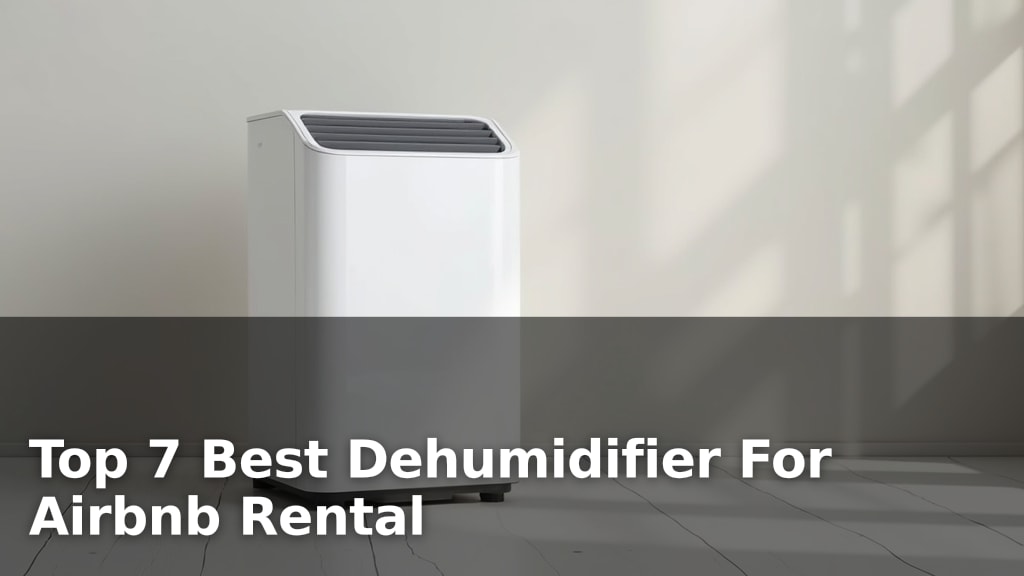
You don’t need a large, industrial unit. Look for compact, portable dehumidifiers. Many are designed for small spaces like bathrooms or RVs, making them perfect for closets. They typically have a small water reservoir that needs to be emptied regularly. Some models can be set to turn on when humidity reaches a certain level. Look for compact, portable dehumidifiers designed for small spaces like bathrooms or RVs, making them perfect for closets.
Placement is Key
Ensure a mini dehumidifier for a closet has some space around it to work efficiently. Don’t bury it under clothes. Place it on the floor or a shelf where air can freely enter and exit the unit. Always follow the manufacturer’s instructions for optimal performance.
Many experts suggest aiming for an indoor humidity level between 30% and 50% (CDC). A small dehumidifier can help you maintain this ideal range within your closet.
Regular Cleaning and Maintenance
Keeping your closet dry isn’t a one-time fix. It requires ongoing effort. Regular cleaning prevents moisture from settling in and becoming a bigger problem.
Empty and Inspect Your Closet
Periodically, take everything out of your closet. This is a great opportunity to clean shelves and the floor. While it’s empty, inspect for any signs of mold or mildew. Check the walls and ceiling for damp spots.
Clean Up Spills and Damp Items Promptly
If you accidentally spill something that makes the floor wet, clean it up immediately. Never store damp clothes or towels in your closet. Ensure anything you put away is completely dry. This simple habit prevents introducing excess moisture.
Wipe Down Surfaces
Use a dry cloth to wipe down shelves and walls periodically. If you notice any condensation, wipe it away. For stubborn moisture or any sign of mold, a diluted vinegar solution can help clean surfaces. Ensure the area dries completely afterward.

When to Consider Professional Help
Sometimes, the moisture issue is a symptom of a larger problem. If you’ve tried these solutions and your closet remains persistently damp, it might be time to call in the pros.
Suspected Water Damage or Leaks
If you notice water stains, peeling paint, or a persistent musty smell that doesn’t go away, there might be a hidden leak. A plumber or a restoration specialist can help identify and fix the source of the water.
Extensive Mold Growth
If you find widespread mold, especially on walls or ceilings, it’s best to consult a mold remediation specialist. They have the tools and expertise to safely remove mold and prevent its return.
Your Closet Moisture Checklist
Ready to get started? Here’s a quick checklist to help you tackle closet dampness:
- Assess your closet’s airflow. Is it packed too tight?
- Add moisture absorbers. Use silica gel, charcoal, or calcium chloride products.
- Improve ventilation. Leave the door ajar or consider a small fan.
- Empty and clean. Do a deep clean regularly to check for issues.
- Store only dry items. Never put damp clothes or towels away.
- Consider a mini dehumidifier for persistent problems.
Conclusion
You’ve got this! Keeping your closet dry is totally achievable with a few smart strategies. By understanding why your closet gets damp and using simple tools like desiccants and better airflow, you can prevent mold and keep your clothes smelling fresh. Don’t let moisture ruin your favorite items.
Your next step is to pick just one or two of these tips and try them out this week. Start with leaving your closet door ajar or adding some silica gel packets. You’ll be amazed at the difference a little attention can make. Enjoy your fresh, dry closet!
Frequently Asked Questions
How often should I replace moisture absorbers like calcium chloride tubs?
You’ll need to replace calcium chloride moisture absorbers when the water reservoir is full. This can take anywhere from a few weeks to a couple of months, depending on your closet’s humidity levels. Always check the product instructions for specific guidance.
Can I use a regular room dehumidifier in my closet?
While a regular dehumidifier can work, it’s usually overkill for a closet. Small, compact dehumidifiers designed for small spaces are more energy-efficient and practical. Make sure any dehumidifier has adequate space around it to function properly.
What’s the best natural way to absorb closet moisture without electricity?
For natural moisture absorption, activated charcoal bags or reusable silica gel packets are excellent choices. These are effective, require no electricity, and can often be refreshed. They’re great for keeping smaller spaces dry and odor-free.
Is it okay to store shoes in a damp closet if I use shoe trees?
Even with shoe trees, storing shoes in a persistently damp closet isn’t ideal. Moisture can still damage the shoe materials and create odors. It’s best to ensure the closet itself is dry before storing anything, or keep shoes in a separate, dry location.
My closet smells musty even after trying these tips. What else could it be?
A persistent musty smell, even after addressing moisture, could indicate hidden mold growth or a ventilation issue. Check for any signs of water damage on walls or ceilings, or consider a small air purifier if the smell lingers.