Do I Need a Dehumidifier for a Closet?
On this page (5 sections)
You might need a dehumidifier for your closet if you’re noticing musty odors or seeing signs of moisture If you’re seeing signs of moisture in other areas of your home, a crawl space dehumidifier might be necessary.. Keeping a closet dry prevents mold growth and protects your belongings. A small, dedicated unit can make a big difference in preserving clothes and shoes.
Closets can become damp due to poor ventilation and humidity in your home. This excess moisture can damage fabrics, leather goods, and even the closet structure itself. Addressing humidity early with closet mold prevention steps is key to avoiding bigger problems like mold and mildew.
- When to use a dehumidifier: If you detect dampness or odors.
- Benefits: Prevents mold, mildew, and musty smells.
- What it protects: Clothing, shoes, bags, and other stored items.
- Size matters: Small, closet-sized units are available. If you have multiple small spaces needing dehumidification, understanding how many closet-sized units you need is important.
Below, we’ll walk you through the signs that your closet might be too humid and what to do about it. Let’s figure out if a dehumidifier is the right solution for your closet.
Is Your Closet a Damp Den? Signs You Need a Dehumidifier
So, you’ve been wondering if your closet needs a little extra help to stay dry. It’s a smart question to ask! That stuffy, unpleasant smell or those subtle signs of dampness aren’t just annoying; they’re signals that moisture is causing trouble.
Think of your closet as a small, enclosed ecosystem. When the humidity levels get too high, this tiny world can quickly become an unwelcome breeding ground for unwanted guests. We’re talking about mold, mildew, and the ever-so-pesky musty odors that cling to your favorite clothes. Addressing this early can save you a lot of headaches and money down the road. For practical steps, see our guide to dehumidifying a closet.
Understanding Closet Humidity: The Sneaky Culprits
Why does a closet, of all places, become so damp? It’s usually a combination of factors. Many homes have decent overall humidity, but closets, especially those without much airflow, can trap this moisture like a sponge.
Poor ventilation is a major player here. If your closet door is always shut tight and there’s no air circulation, any moisture present just hangs around. This can be amplified by natural humidity in your home, or even things like drying clothes nearby or a leaky pipe in an adjacent wall.
Factors Contributing to Closet Dampness
Let’s break down the usual suspects that lead to a humid closet:
- Poor Airflow: Closets are often tucked away and forgotten about. Without a fan or even just occasional open doors, air stagnates.
- High Household Humidity: If your home’s general humidity is high (above 50-60%), that excess moisture will find its way into every nook and cranny, including your closet.
- Location of the Closet: A closet on an exterior wall, especially one facing north, or one located above a damp basement or crawl space, is more prone to moisture issues.
- Seasonal Changes: Humid summer months are prime time for closet dampness. But even cold, damp winter air can cause condensation.
- Items Stored: Wet shoes or damp gym bags placed directly into the closet can introduce a significant amount of moisture.
The Tell-Tale Signs of a Humid Closet
Your senses are your best allies here. What are you noticing that hints at a problem? Paying attention to these details is key to knowing if you need a dehumidifier.
Musty Odors: The Most Obvious Clue
That distinct, unpleasant “old book” or “wet dog” smell? That’s the unmistakable scent of mold and mildew at play. These fungi thrive in damp environments and release spores that cause the odor. If you open your closet and are hit with this smell, moisture is definitely a problem.
Visual Clues: What to Look For
Beyond the smell, there are visual cues. Keep an eye out for:
- Dark Spots or Stains: These could be early signs of mold growth on walls, ceilings, or even the backs of shelves.
- Peeling Paint or Wallpaper: Moisture trapped behind surfaces can cause them to blister and peel away.
- Condensation: Feeling a dampness on the walls or seeing small water droplets form, especially in cooler weather, indicates condensation due to high humidity.
- Damp or Clumpy Fabrics: Clothes, linens, or shoes that feel unusually cool or slightly damp to the touch are a clear sign of excess moisture.
Damage to Belongings: The Cost of Neglect
Perhaps the most disheartening sign is damage to your stored items. Have you noticed:
- Spots or Discoloration on Clothes: Mildew can leave unsightly marks that are hard to remove.
- Leather Goods Deteriorating: Leather shoes, bags, or belts can become stiff, discolored, or even develop mold.
- Paper Products (Books, Photos) Warping or Sticking: Documents and books can warp, get stained, or even grow mold.
- Wooden Shelves or Hangers Warping: Prolonged dampness can damage the integrity of wood.
These signs mean that the humidity isn’t just a minor inconvenience; it’s actively damaging your possessions.
Why Moisture in Your Closet is a Problem (It’s More Than Just Smells!)
It’s easy to dismiss a musty closet as just “an old closet smell.” But the reality is, high humidity can cause significant problems that go beyond a simple odor.
The Health Implications of Mold and Mildew
Mold and mildew aren’t just aesthetically displeasing; they can impact your health. According to the Centers for Disease Control and Prevention (CDC), exposure to mold can cause nasal stuffiness, throat irritation, coughing or wheezing, and even eye irritation. For people with mold allergies or asthma, exposure can trigger more severe reactions.
If your closet is a significant source of mold growth, its spores can easily spread throughout your home via air currents, affecting the air quality in your living spaces. Keeping your closet dry is a step towards a healthier home environment for everyone.
Protecting Your Valuables and Investments
Your closet likely houses items you care about – from your favorite outfits to sentimental keepsakes. High humidity acts like a slow-acting thief, gradually degrading these items.
Think about your wardrobe. Delicate fabrics like silk or wool can be particularly susceptible to damage from mold and mildew. Leather goods can crack or become unusable. Even paper items like important documents or photo albums can be lost forever. A dehumidifier acts as a protective barrier, preserving the lifespan and condition of your belongings.
Preventing Structural Damage
The problem doesn’t stop at your clothes. Persistent moisture can actually damage the structure of your home.
Wood framing, drywall, and finishes can all be compromised by prolonged dampness. This can lead to costly repairs down the line. Mold can spread into wall cavities, and wood can rot or warp. Addressing the humidity in your closet is also an investment in the integrity of your home.
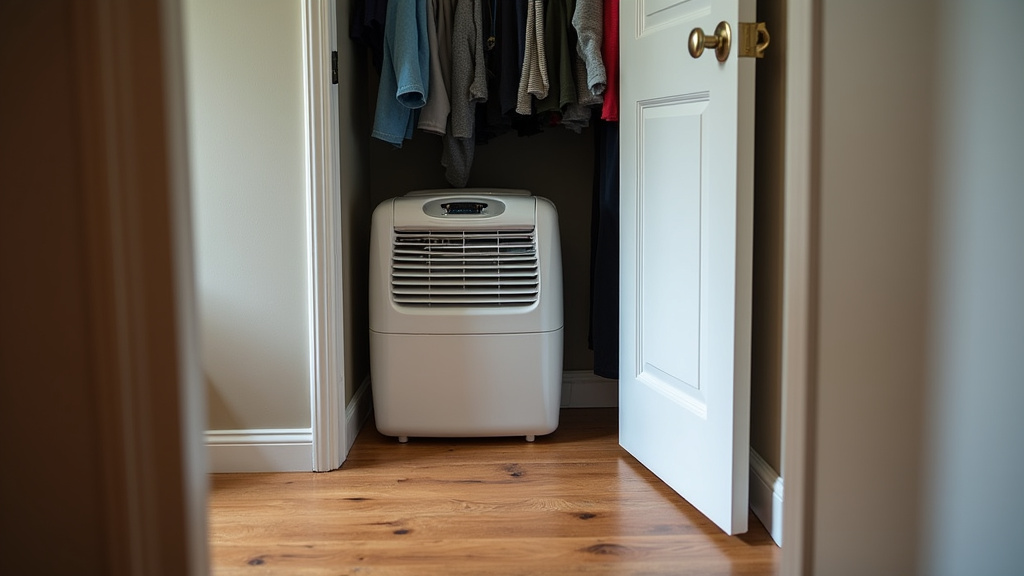
Choosing the Right Dehumidifier for Your Closet Space
If you’ve determined that your closet needs a dehumidifier, the good news is you don’t need a massive industrial unit. For practical guidance, see our guide to closet dehumidifiers. There are specific, smaller dehumidifiers designed for these tight spaces.
Size and Capacity: Small Units for Small Spaces
Dehumidifiers are rated by how many pints of moisture they can remove from the air per day. For practical guidance, see our guide to dehumidifiers for shoe closets. For a small closet, you typically only need a compact unit with a capacity of around 1-3 pints per day. These are designed to handle smaller, enclosed areas effectively without over-drying the space or consuming excessive energy.
Many of these units are small enough to fit on a shelf or even the floor of a closet without taking up too much valuable storage space. For practical guidance, see our guide to mini dehumidifiers for closets. Look for models that are specifically marketed for small rooms, bathrooms, RVs, or closets.
Key Features to Look For
When you’re shopping, keep these features in mind:
- Automatic Shut-off: This is essential. It prevents the unit from overflowing when the water reservoir is full.
- Compact Design: Ensure it will physically fit comfortably in your closet.
- Low Noise Level: If your closet is near a bedroom, a quiet unit is a must.
- Energy Efficiency: Look for ENERGY STAR certified models if possible.
- Removable Water Tank: Makes it easier to empty the collected moisture. Some models also offer a continuous drain option with a hose, which can be convenient.
Where to Place Your Closet Dehumidifier
Placement is key for optimal performance. You want to position the dehumidifier where it can draw in the most humid air and circulate dry air effectively.
Generally, placing it on the floor or a sturdy shelf in the closet is best. Ensure that the air intake and exhaust vents are not blocked by clothing or other items. Allowing at least a few inches of clearance around the unit will help it work efficiently.
Maintenance is Simple, But Necessary
Most small dehumidifiers require minimal maintenance. The primary task is emptying the water tank when it’s full (unless you have a continuous drain setup). Periodically, you’ll want to wipe down the exterior and clean the air filter according to the manufacturer’s instructions. A clean filter ensures the unit runs efficiently and prevents dust buildup.
A Quick Checklist: Does Your Closet Need a Dehumidifier?
Take a moment and go through these quick points:
- Do you smell musty odors when you open the closet?
- Have you seen any dark spots or signs of mold/mildew on walls or items?
- Do clothes or other stored items feel damp or cool to the touch?
- Is your closet located in a naturally damp area of your home (e.g., basement, exterior wall)?
- Has humidity caused visible damage like peeling paint or warped wood?
- Do you live in a generally humid climate?
If you answered “yes” to two or more of these questions, it’s a strong indicator that a dehumidifier could be a great investment for your closet.
Conclusion
It’s clear that a stuffy, musty closet isn’t just unpleasant; it’s a sign of potential problems for your belongings and your home. You’ve learned how to spot the tell-tale signs of high humidity, from persistent odors to visible dampness and damage to your clothes. Addressing this early with the right small dehumidifier is a smart move.
Don’t let moisture take over your storage space. By understanding the risks and knowing what to look for, you can take simple steps to protect your items and your home’s health. Investing in a compact dehumidifier is an easy way to ensure your closet stays dry and your things stay in great condition.
Frequently Asked Questions
How often should I empty the dehumidifier in my closet?
You’ll need to empty the water tank whenever it becomes full. For small closet units, this might be every day or every few days, depending on the humidity level. Some models have an indicator light to let you know when it’s time.
Can a dehumidifier help with the smell in my closet?
Absolutely! The musty odors in your closet are often caused by mold and mildew, which thrive in damp conditions. By removing excess moisture, a dehumidifier prevents these fungi from growing, effectively eliminating the source of the smell.
How much electricity do small closet dehumidifiers use?
Small dehumidifiers designed for closets are generally very energy-efficient. They use much less electricity than larger whole-house units. Look for ENERGY STAR certified models for the best energy performance.
Is it okay to leave a dehumidifier running constantly in my closet?
Yes, it’s generally fine to leave a properly sized dehumidifier running in your closet, especially if you have persistent moisture issues. Ensure it has an automatic shut-off feature to prevent overflow when the tank is full. This keeps the humidity consistently low.
What if my closet doesn’t have a power outlet?
If your closet lacks a power outlet, you have a few options. You could consider a battery-powered or USB-powered dehumidifier, though these are typically less powerful and may require more frequent attention. Alternatively, you might need to run an extension cord safely from a nearby room, ensuring it’s not a tripping hazard.