Do I Need a Dehumidifier for My Crawl Space?
On this page (3 sections)
Yes, you likely need a dehumidifier for your crawl space if you notice signs of excess moisture like musty odors, mold growth, or condensation. A dehumidifier helps manage humidity levels, protecting your home’s structure and your family’s health.
Even if you don’t see obvious signs, many homes benefit from crawl space dehumidification to prevent future issues. We found that controlling humidity below your home is key to a healthier living environment. It’s about proactive protection.
TL;DR:
- High crawl space humidity causes mold and rot.
- A dehumidifier keeps moisture in check.
- It protects your home’s foundation and air quality.
- Look for musty smells or condensation as warning signs.
- Many experts recommend one for most homes.
Let’s walk through why a dehumidifier might be your crawl space’s new best friend and how to tell if you truly need one.
When Is a Crawl Space Dehumidifier Truly Necessary?
You’re wondering if a dehumidifier is right for your crawl space. It’s a common question. The short answer is often yes, especially in humid climates. But let’s look at the signs. Understanding these will help you make the best decision for your home.
Understanding the Causes of Crawl Space Humidity
Why does your crawl space get so damp? It’s not always obvious. Several factors contribute to high humidity levels under your home. Knowing them helps you tackle the problem effectively.
Moisture Seepage from the Ground
The ground beneath your home is a major source of moisture. Even if it looks dry, soil holds water. This water evaporates and rises into your crawl space. It’s like a constant, slow-motion humidifier working against you. This is especially true after heavy rains or if your yard has poor drainage.
Outdoor Air Infiltration
Your crawl space isn’t sealed perfectly. Vents and small gaps allow outside air to enter. In humid summer months, this means moist air flows right in. When this warm, moist air meets cooler surfaces in your crawl space, it condenses. Think of a cold drink on a hot day – it “sweats” from condensation. The same thing happens down there.
Plumbing Leaks and Condensation
Hidden leaks can be a big issue. A slow drip from a pipe can add a surprising amount of moisture. Even without leaks, uninsulated cold water pipes can sweat. This condensation drips down, adding to the problem. We found that even minor plumbing issues can significantly raise humidity levels.
Recognizing the Warning Signs of Excessive Moisture
Your home often tells you when there’s a problem. You just need to know what to look for. These signs point to high humidity in your crawl space that needs attention.
- Musty Odors: This is often the first and most noticeable sign. If your home has a damp, earthy smell, especially when the HVAC system runs, it’s likely coming from the crawl space. This smell usually means mold or mildew is growing.
- Mold and Mildew Growth: Take a peek into your crawl space if you can. Look for fuzzy or discolored spots on wood, insulation, or foundation walls. Mold can be black, green, white, or even pink. We found that mold grows rapidly in humid environments.
- Condensation: Are there water droplets on pipes, ductwork, or even the walls of your crawl space? This is a clear sign that warm, moist air is meeting cooler surfaces. It’s literally “sweating” down there.
- Wood Rot: High humidity accelerates wood decay. Look for soft, crumbling, or discolored wood joists and subflooring. This can compromise your home’s structural integrity over time.
- Pest Infestations: Roaches, termites, rodents, and other pests love damp, dark places. If you notice an increase in pest activity, your crawl space might be an inviting home for them.
- Allergy Symptoms: If you or your family experience increased allergies, asthma, or respiratory issues indoors, it could be linked to mold spores from the crawl space entering your living areas. The air quality in your home is directly affected by the air in your crawl space.
The Negative Impacts of Untreated Crawl Space Humidity
Ignoring high humidity in your crawl space isn’t just about a musty smell. It can lead to serious and costly problems for your home and your health. It’s a domino effect, where one problem leads to another.
Structural Damage to Your Home
The wood framing of your home rests on your foundation. When constantly exposed to high humidity, wood can absorb moisture. This leads to warping, swelling, and eventually, rot. We found that long-term moisture exposure significantly weakens wood (Forest Products Laboratory). This can compromise the structural integrity of your entire house. Imagine soft, decaying floor joists – not a good thought.
Compromised Indoor Air Quality
Your crawl space air doesn’t stay put. It rises into your living areas through a phenomenon called the “stack effect.” Warm air naturally rises. As air escapes through your attic, new air is pulled up from below. This means mold spores, dust mites, and whatever else is in your crawl space ends up in your home. This can trigger allergies, asthma, and other respiratory problems (CDC).
Increased Energy Bills
High humidity makes your air feel heavier and warmer. Your air conditioner has to work much harder to both cool your home and remove moisture from the air. This extra effort translates directly to higher energy consumption and bigger utility bills. A dehumidifier can actually help your HVAC system run more efficiently.
Pest Attraction and Infestation
Damp, dark, and secluded places are perfect breeding grounds for pests. Termites love moist wood. Cockroaches and silverfish thrive in high humidity. Rodents seek shelter in these areas. An uncontrolled crawl space can become a veritable hotel for unwanted guests, leading to further damage and health concerns.
How a Crawl Space Dehumidifier Provides a Solution
So, you’ve identified the problem. What’s the fix? A dehumidifier is often a crucial part of the solution. It actively removes excess moisture from the air, creating a healthier environment.
Think of it like this: your air conditioner cools the air. A dehumidifier removes the humidity. Both are essential for comfort and health in many climates. It’s about maintaining a balanced indoor environment, even in the forgotten spaces of your home.
The Science Behind Dehumidification
Dehumidifiers work by drawing in humid air over a set of cold coils. The moisture in the air condenses on these coils, turning into water. This water then drips into a collection bucket or is drained away. The now dry, cooler air is then reheated and released back into the space. It’s a continuous cycle that steadily reduces the humidity level. We found that maintaining humidity below 60% is key to preventing mold growth (EPA).
Benefits Beyond Just Dryness
A dehumidifier does more than just dry out the air. It creates a hostile environment for mold and mildew. It deters pests by making the area less attractive. It protects your home’s structure from rot. And perhaps most importantly, it improves the overall air quality inside your home, leading to a healthier living space for you and your family.
Crawl Space Humidity Levels: What’s Ideal?
You might be asking, “What’s the magic number?” For crawl spaces, experts recommend maintaining relative humidity levels between 30% and 50%. This range is generally considered optimal for preventing moisture-related issues.
When humidity consistently climbs above 60%, that’s when you start seeing problems like mold growth and wood rot. Below 30%, you risk drying out wood too much, which can cause cracking, though this is less common in crawl spaces.
Monitoring your crawl space humidity with a hygrometer is a good first step. These simple devices give you an accurate reading of the current conditions.
Comparing Dehumidifier Types for Your Crawl Space
Not all dehumidifiers are created equal. For a crawl space, you need a unit designed for that specific environment. Here’s a quick comparison:
| Dehumidifier Type | Best Use Case | Key Features | Considerations |
|---|---|---|---|
| Residential Portable | Small, occasional use; not ideal for crawl spaces. | Small capacity, manual emptying, less durable. | Not designed for continuous use or damp, dirty areas. |
| Basement/Crawl Space Dehumidifiers | Dedicated solution for crawl spaces and basements. | High capacity, low-temp operation, continuous drain, durable build. | Higher initial cost, but designed for the job. |
| Whole-Home Dehumidifiers | Integrated into HVAC, for entire home control. | Connects to ductwork, large capacity, comprehensive. | Professional installation required, highest cost. |
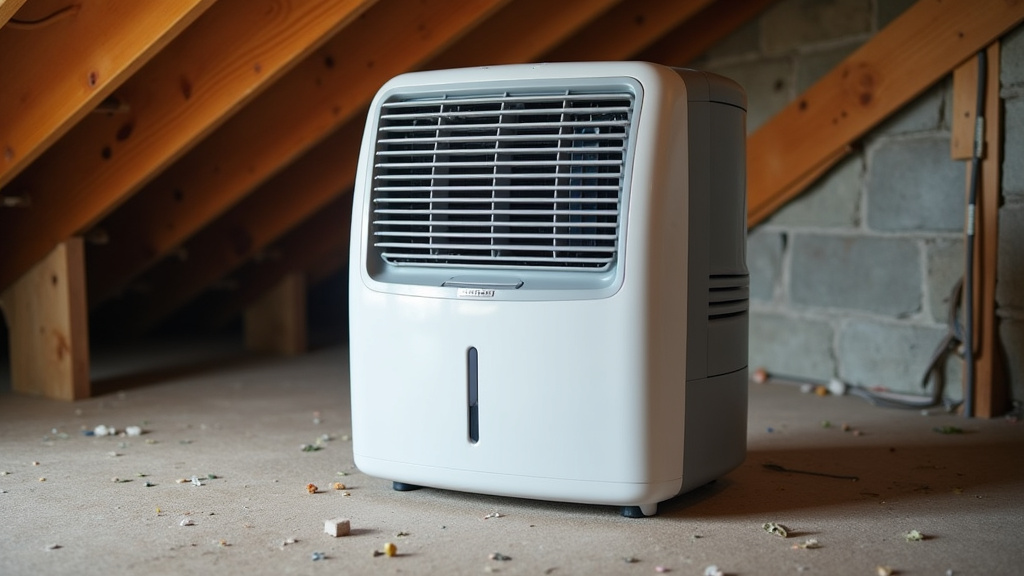
For most crawl spaces, a dedicated basement/crawl space dehumidifier is the best choice. They are built tough, handle lower temperatures, and can drain continuously, so you don’t have to empty a bucket.
Essential Features for a Crawl Space Dehumidifier
When you’re ready to choose a dehumidifier, look for these features:
- High Capacity: Crawl spaces often require units that can remove 70 to 90 pints of moisture per day.
- Low-Temperature Operation: Crawl spaces can get cool. Your dehumidifier needs to work effectively even at lower temperatures without freezing up.
- Continuous Drainage: This is a must-have. You don’t want to crawl under your house regularly to empty a bucket. A hose connects to a nearby drain or pump.
- Built-in Humidistat: This allows the unit to automatically turn on and off to maintain your desired humidity level, saving energy.
- Durable Construction: Crawl spaces are harsh environments. Look for robust construction that can handle dust and moisture.
Steps Towards a Dryer, Healthier Crawl Space
Installing a dehumidifier is a great step. But it’s part of a bigger picture. Here’s how to create a lasting solution:
Crawl Space Encapsulation
Encapsulation involves sealing off your crawl space from the outside elements. This usually includes covering the ground and walls with a heavy-duty vapor barrier. It creates a conditioned space that is much easier to control with a dehumidifier. We found that encapsulation drastically reduces moisture intrusion (Environmental Protection Agency).
Proper Ventilation and Sealing
Before encapsulation, many crawl spaces have vents. While these were once thought to help, they often bring in more humid air. Sealing off these vents is a common practice during encapsulation. Also, seal any gaps or cracks in your foundation walls to prevent air and pest entry.
Drainage Solutions Around Your Home
Manage the water outside your home. Ensure your gutters are clean and direct rainwater far away from your foundation. Proper grading around your house helps water flow away, rather than pooling near your crawl space. This reduces the amount of moisture that can seep into the ground beneath your home.
Checklist: Do You Need a Dehumidifier?
Still not sure? Go through this quick checklist. If you answer “yes” to most of these, a crawl space dehumidifier is likely a wise investment for your home.
- Do you smell musty odors in your home, especially downstairs?
- Have you noticed visible mold or mildew in your crawl space?
- Are your crawl space pipes or ductwork sweating with condensation?
- Is the wood in your crawl space soft, rotting, or discolored?
- Are you experiencing an increase in pests like termites or roaches?
- Do you live in a climate with high humidity levels during warm months?
Conclusion
Taking control of your crawl space humidity is a powerful step towards a healthier home. You’ve seen the clear signs of moisture problems and understand their costly impacts. Investing in a proper dehumidifier, especially when paired with encapsulation, actively protects your home’s structure and improves your indoor air quality.
Don’t wait for mold or rot to take hold. By being proactive, you prevent bigger, more expensive issues down the road. If you’re seeing any warning signs, it’s time to measure your humidity. Then, consider a dedicated crawl space dehumidifier to create a dry, healthy foundation for your living space.
Frequently Asked Questions
Can a regular portable dehumidifier work in a crawl space?
We found that regular portable dehumidifiers are not ideal for crawl spaces. They typically aren’t designed for the harsh, cooler, and often dirtier conditions found there. They also lack continuous drainage, meaning you’d have to constantly empty a collection bucket.
How long does it take for a crawl space dehumidifier to make a difference?
You should start to see and feel a difference within a few days to a week. The exact time depends on the initial humidity levels and the dehumidifier’s capacity. Consistent operation is key to maintaining optimal levels.
Do I still need a dehumidifier if my crawl space is encapsulated?
Yes, in most cases, you still need a dehumidifier even with encapsulation. Encapsulation significantly reduces moisture intrusion, but a dehumidifier helps manage any remaining moisture and maintain ideal humidity levels within the sealed space. It’s an important part of a complete system.
What’s the typical lifespan of a crawl space dehumidifier?
A high-quality crawl space dehumidifier can last anywhere from 5 to 10 years, or even longer, with proper maintenance. Factors like consistent use, the operating environment, and regular cleaning of filters can affect its lifespan.
Will a dehumidifier eliminate all mold in my crawl space?
A dehumidifier will create an environment where new mold cannot grow. It removes the moisture mold needs to thrive. However, it won’t remove existing mold. For current mold growth, professional remediation is usually required to safely clean and remove it.