How to Dehumidify a Gun Safe?
On this page (6 sections)
The best way to dehumidify a gun safe is to use a desiccant or an electric dehumidifier. These methods effectively remove moisture from the air inside your safe. Keeping your firearms dry prevents rust and preserves their condition. You want to avoid rust at all costs when storing your guns.
Moisture inside a gun safe can lead to serious problems. It can cause corrosion on your valuable firearms. Maintaining a dry environment is essential for long-term gun storage. Many gun owners overlook this step, but it’s a critical part of safe ownership. Protecting your investment is always the goal.
- Use desiccants like silica gel packets.
- Consider an electric dehumidifier for larger safes.
- Regularly check and recharge or replace desiccants.
- Monitor humidity levels inside your safe.
Let’s walk through exactly how to dehumidify your gun safe to keep your firearms in top shape.
Keeping Your Gun Safe Dry: Essential Strategies
Protecting your firearms from rust is absolutely critical. You’ve invested in quality guns, and you want them to last. Moisture is the silent enemy that can cause corrosion. This can damage your firearms and reduce their value. That’s why understanding how to dehumidify your gun safe is so important. We’ll break down the best methods to keep your safe dry and your guns safe from rust.
Why Moisture is a Gun Safe’s Worst Enemy
Think of humidity like a slow leak. Over time, it can cause real damage. Even a small amount of moisture can lead to rust spots. These can be hard to remove. They can also weaken the metal components of your firearms. Many gun owners forget that the air inside their safe can become humid. This happens especially in humid climates or during seasonal changes.
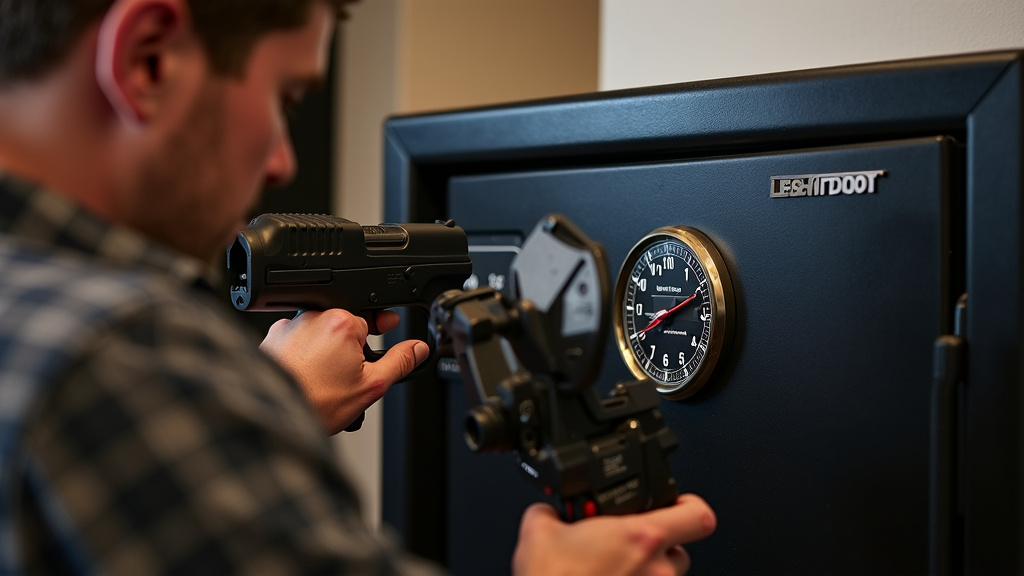
The goal is to maintain a humidity level below 50%. Ideally, it should be between 35% and 45% (National Shooting Sports Foundation). A hygrometer is your best friend here. It measures the humidity. You can place one inside your safe to keep an eye on things. This simple tool helps you know if your dehumidification efforts are working.
Understanding the Causes of Humidity
Several things can introduce moisture into your gun safe. The most common source is the air itself. When you open the safe door, humid air rushes in. This air carries water vapor. This water vapor then condenses on your guns and safe interior. This is especially true if there’s a big temperature difference.
Another source is your firearms themselves. If you put a gun away after shooting, it might still have trace moisture from gunpowder residue. Cleaning oils can also sometimes contribute to humidity if they aren’t fully evaporated. Even the safe’s materials can absorb moisture from the surrounding environment. These are all factors that can increase the risk of rust.
Effective Dehumidification Methods
Desiccant Products: The Simple Solution
Desiccants are materials that absorb moisture. They are often the easiest and most affordable way to dehumidify a gun safe. You’ve probably seen them as small packets in new shoes or electronics. These packets contain silica gel. This is a common and effective desiccant.
For gun safes, you can buy larger desiccant bags or canisters. These are designed to hold more moisture. They are great for smaller to medium-sized safes. You place them on the floor or a shelf inside the safe. They work passively, meaning they don’t need electricity.
Types of Desiccants to Consider
Silica gel is the most popular choice. It’s non-toxic and reusable. You can often “recharge” silica gel desiccants. This usually involves heating them in an oven at a low temperature. Always follow the manufacturer’s instructions for recharging.
Other desiccants exist, like activated clay or molecular sieves. These also work well. Some desiccants change color when they are saturated with moisture. This is a helpful visual cue. It tells you when it’s time to recharge or replace them. Researching different options can help you find the best fit for your needs.
Using Desiccants Effectively
Make sure you have enough desiccant for the size of your safe. A good rule of thumb is to have at least one pound of desiccant for every cubic foot of safe space. You can find this information on product packaging. It’s better to have too much than too little.
Placement matters too. Put the desiccant in areas where moisture might collect. This could be on the bottom shelf or near firearms. Avoid burying them under gun socks or other items. You want them to have good air circulation. Regular checks are key. If your desiccant doesn’t have a color indicator, you’ll need to weigh it periodically. A significant increase in weight means it’s absorbed moisture.
Rechargeable vs. Disposable Desiccants
Many desiccants are rechargeable. This makes them a more economical choice over time. You simply heat them up to drive off the absorbed moisture. This process reactivates the desiccant material. It can then be reused for many cycles.
Disposable desiccants are less common for gun safes. They are often one-time use. Once they’ve absorbed their maximum capacity, you discard them. While convenient, they can become costly if you need to replace them often. For most gun owners, rechargeable desiccants offer a better long-term solution.
Electric Dehumidifiers: For Serious Protection
For larger gun safes or in very humid environments, an electric dehumidifier might be necessary. These devices actively remove moisture from the air. They work much faster than passive desiccants.
Electric dehumidifiers come in various sizes. Some are small rods that fit discreetly on a shelf. Others are larger units that sit on the floor. They typically use a heating element to warm the air. This reduces the air’s ability to hold moisture. The warmed, drier air then circulates within the safe. This continuous process keeps humidity levels low.
Benefits of Electric Dehumidifiers
Electric dehumidifiers offer consistent performance. They don’t need to be removed and recharged or replaced like desiccants. This makes them a very low-maintenance option. Many modern units are also energy-efficient. They use very little electricity.
They are particularly effective in larger safes. A small desiccant might struggle to keep a large volume of air dry. An electric unit can handle the job more efficiently. They provide reliable protection, especially in areas with high humidity or during humid seasons. This is a smart investment for serious collectors.
Considerations for Electric Models
The main consideration is power. You’ll need access to an electrical outlet near your safe. Some safes have pre-drilled holes for cords. If yours doesn’t, you might need to drill one. Always ensure any modification is done safely and doesn’t compromise the safe’s security.
Also, consider the noise level. Most electric dehumidifiers are very quiet. However, some models might produce a low hum. If your safe is in a living area, this could be a factor. Read reviews and choose a model known for its quiet operation. Safety certifications are also important. Look for UL or ETL listings.
Other Moisture Control Tips
Beyond specific dehumidifiers, a few other practices can help. Never store damp items in your safe. Make sure any cleaning rags or gun socks are completely dry. If you live in a very humid area, consider a small, battery-powered fan inside the safe. This can help circulate air. Good air circulation prevents moisture from becoming stagnant.
When you open the safe, try to do so quickly. Limit how long the door stays open. This minimizes the amount of humid outside air entering. Wiping down your firearms with a silicone-treated cloth after handling them is also a good habit. These cloths help repel moisture. They offer an extra layer of protection.
Maintaining Your Dehumidification System
The best dehumidifier won’t work if you don’t maintain it. Regular checks are essential. If you use silica gel packets, monitor them. Are they still effective? Do they show signs of saturation? Recharging them when needed is key. Over time, even rechargeable desiccants can lose some effectiveness.
For electric units, a quick visual inspection is usually enough. Ensure the cord is intact and the unit is functioning. Most don’t require much maintenance. Following the manufacturer’s guidelines for care will ensure they last longer. A little attention goes a long way.
Checklist for a Dry Gun Safe
- Place a hygrometer inside your safe.
- Choose the right dehumidifier for your safe size.
- Position your desiccant or electric unit for good air flow.
- Regularly check and recharge or replace desiccants.
- Minimize time spent with the safe door open.
- Ensure firearms are completely dry before storage.
Conclusion
Keeping your gun safe dry is a simple but vital step for protecting your firearms. You’ve learned that moisture is your guns’ enemy, leading to rust and damage. By using desiccants or electric dehumidifiers, you can maintain a safe environment. Remember to choose the right method for your safe’s size and environment. Regularly checking and maintaining your chosen system ensures it works effectively. Take action today by checking your current humidity levels and implementing these strategies. Your firearms will thank you for it.
Frequently Asked Questions
How often should I recharge or replace my desiccant?
This depends on the type of desiccant and your environment. Generally, silica gel should be recharged when it no longer changes color or if it feels heavy. For disposable packs, follow the manufacturer’s instructions for replacement. A good rule is to check them monthly.
Can I use a small appliance dehumidifier in my gun safe?
Typically, no. Standard room dehumidifiers are too large and create too much airflow for a gun safe. You need products specifically designed for small, enclosed spaces. Look for specialized gun safe dehumidifiers or rods.
What’s the ideal humidity level for a gun safe?
The National Shooting Sports Foundation recommends keeping humidity below 50%. Many experts suggest aiming for a range between 35% and 45%. This level is dry enough to prevent rust but not so dry that it causes other issues.
Will a simple silica gel packet work in a large gun safe?
Probably not effectively on its own. Small packets are best for drawers or very small safes. For larger safes, you’ll need multiple packets or larger desiccant bags. An electric dehumidifier is usually a better choice for larger spaces.
How can I tell if my gun safe is too humid?
The best way is to use a hygrometer. This small device measures humidity levels inside your safe. You can also sometimes see condensation on metal surfaces or notice a musty smell. Regularly monitoring with a hygrometer is your most reliable method.