How to Prevent Condensation in an RV?
On this page (9 sections)
- Keeping Your RV Dry: Strategies to Combat Condensation
- Understanding the Science Behind RV Condensation
- Ventilation: Your First Line of Defense
- Controlling Indoor Humidity Levels
- Insulation and Surface Temperature Management
- Everyday Habits for a Drier RV
- Quick Checklist for a Condensation-Free RV
- Conclusion
- Frequently Asked Questions
Preventing condensation in your RV is simpler than you might think. You can significantly reduce moisture buildup by focusing on good ventilation and controlling indoor humidity levels. This helps protect your RV’s interior from damage.
Condensation often happens when warm, moist air inside your RV meets cooler surfaces, like windows or walls. This is especially common during colder months. Understanding the causes helps you tackle the problem effectively and keep your living space comfortable. Many RV owners struggle with this, but there are practical solutions. Condensation often happens when warm, moist air inside your RV meets cooler surfaces, like condensation on windows or walls.
- Ventilate regularly by opening windows or using fans.
- Use a dehumidifier or moisture absorbers.
- Check for and repair leaks promptly.
- Insulate cold surfaces.
- Avoid drying clothes inside.
Below, we’ll walk through the best strategies to keep your RV dry and condensation-free, so you can enjoy your travels without worrying about mold or mildew.
Keeping Your RV Dry: Strategies to Combat Condensation
Preventing condensation in your RV is all about managing moisture. It’s a common issue, especially when you’re traveling in varying temperatures. You can stop moisture buildup with smart ventilation and humidity control. This protects your RV’s interior from damage like mold and mildew.
Condensation forms when warm, moist air inside your RV hits cold surfaces. Think windows, metal walls, or the roof. This happens frequently during cooler weather. Understanding why it happens helps you find the best solutions. Many RV owners face this challenge, but practical tips can make a big difference.
Understanding the Science Behind RV Condensation
Condensation is simply water vapor turning back into liquid water. This happens when the air gets too saturated. It’s a bit like seeing your breath on a cold day. Your warm breath hits the cold air, and you see a cloud. Your RV works the same way, just on a larger scale.
Warm, Moist Air Meets Cold Surfaces
The main culprit is the temperature difference. Your body, cooking, and even breathing all add moisture to the air inside your RV. When this warm, humid air touches a cold surface, the water vapor cools down. It then condenses into tiny water droplets. These droplets gather and can cause problems over time.
Sources of Indoor Moisture
Where does all that moisture come from? Several everyday activities contribute. Cooking is a big one. Boiling water or even just simmering a pot releases steam. Taking showers, especially if you don’t have excellent ventilation in your bathroom, adds a lot of moisture. Wet clothes drying inside are another major source. Even the moisture from your own breath adds up over time.
Ventilation: Your First Line of Defense
Proper ventilation is key to letting moist air escape. It’s like giving your RV a chance to breathe. Opening windows and using fans helps move air around and out.
Daily Air Exchange Practices
Aim to open your RV windows and vents every day, even for a short time. This exchange of air is vital. It helps replace moist indoor air with drier outdoor air. During colder months, you might only need to open them for 10-15 minutes. If it’s humid outside, focus on other methods.
Harnessing RV Roof Vents and Fans
Your RV’s roof vents are fantastic for allowing moisture to escape. Using the fan in these vents can actively pull moist air out. Many RVers find that running the fan on a low setting constantly helps. This creates a steady airflow. It prevents humidity from building up to problematic levels. Make sure your vent covers are on if it’s raining, so you don’t let water in.
Using Portable Fans Strategically
Portable fans can help circulate air within the RV. Place them near windows or vents to assist with airflow. A small fan can make a big difference in preventing stale, moist air from lingering in corners. We found that aiming a fan towards a window that’s cracked open works wonders.
Controlling Indoor Humidity Levels
Beyond just ventilation, you can actively manage the amount of moisture in your RV’s air. This means controlling how much water vapor is present.
The Role of Dehumidifiers
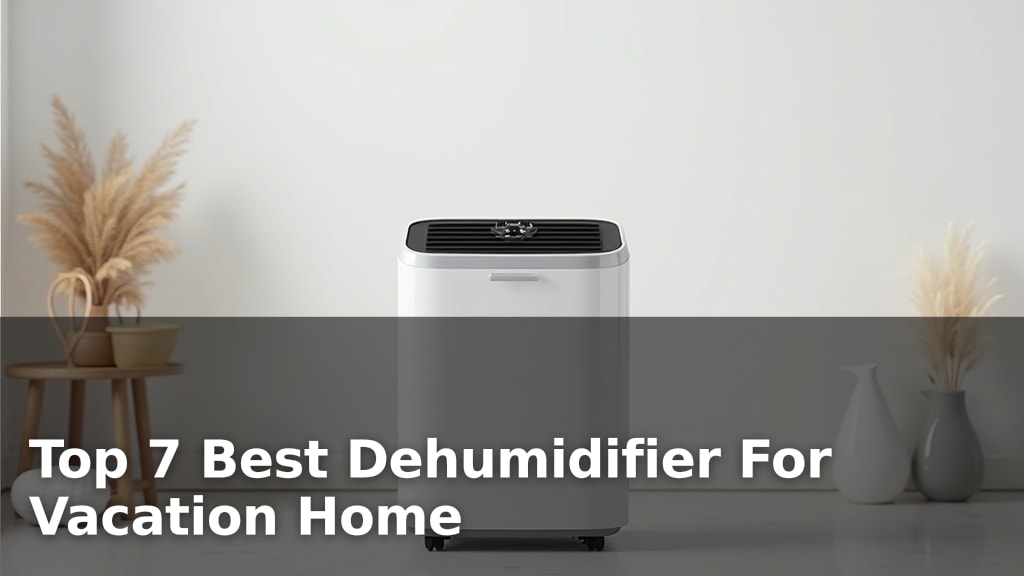
A dehumidifier is your best friend in fighting condensation. These appliances pull moisture directly out of the air. There are various types available for RVs. Small, portable electric dehumidifiers are popular. They can effectively lower humidity levels in your living space. Make sure to choose one sized appropriately for your RV’s square footage. You’ll need to empty the water tank regularly. A dehumidifier is your best friend in fighting condensation, and this guide explains if you can run a dehumidifier all the time.
Moisture Absorbers for Small Spaces
For smaller areas or as a supplement to a dehumidifier, moisture absorbers work well. These are typically small containers filled with desiccant crystals. They absorb moisture from the air. You can place them in closets, cabinets, or even your bathroom. Common brands use silica gel or calcium chloride. They are a low-maintenance option. You’ll know they’re full when the crystals change color or the container fills with liquid.
Managing Cooking Moisture
When you cook, try to minimize the steam released. Always use your RV’s range hood fan. If you don’t have one, open a nearby window and use a portable fan to direct steam outside. Covering pots and pans while cooking helps trap steam. Try to cook foods that don’t require a lot of boiling water when possible.

Insulation and Surface Temperature Management
Sometimes, the issue isn’t just the air; it’s the surfaces themselves. Cold surfaces are condensation magnets. Improving insulation can help. You can also use temporary solutions.
Window Treatments to Reduce Cold Spots
Windows are often the coldest surfaces in an RV. Thermal curtains or blinds can help create a barrier. They trap a layer of air between the window and your living space. This keeps the inner surface of the window warmer. You can also use reflective insulation sheets cut to size for your windows. They can be temporarily taped or Velcroed in place.
Addressing Cold Walls and Ceilings
Metal walls and roofs can get quite cold. While major insulation upgrades are complex, you can take smaller steps. Ensure there are no drafts coming in around windows or doors. Some RV owners use removable foam padding in certain areas during very cold weather. This adds an extra layer of insulation where it’s needed most.
Everyday Habits for a Drier RV
Simple lifestyle changes can significantly impact your RV’s humidity. What you do daily matters.
The Dangers of Drying Clothes Indoors
This is a big one! Drying clothes inside your RV releases a huge amount of moisture. Research shows that hanging just one load of laundry can add gallons of water to the air. If possible, always dry clothes outside. If you must dry them inside, use a dehumidifier in the same room and ensure good ventilation. Better yet, find a laundromat.
Dealing with Showers and Bathing
Always use your RV’s bathroom fan during and after showering. Keep it running for at least 20-30 minutes afterward. Open a nearby window or vent as well if possible. Towel off thoroughly after bathing. This removes excess water before it can evaporate into the air.
Checking for and Repairing Leaks
Leaks are not just about water damage; they can also contribute to moisture issues. Check your RV’s seals around windows, doors, and roof fixtures regularly. Any small leak can let in outside moisture or allow interior humidity to escape into the insulation. Promptly repairing these can save you headaches later.
Quick Checklist for a Condensation-Free RV
Here’s a handy list to keep your RV dry and comfortable:
- Open vents or windows daily for at least 15 minutes.
- Run your roof vent fan, especially after cooking or showering.
- Use a dehumidifier or moisture absorbers consistently.
- Cover pots and pans when cooking.
- Avoid drying clothes inside your RV whenever possible.
- Check and seal any visible leaks around windows and roof.
Conclusion
You’ve learned that keeping your RV dry from condensation is totally achievable. It all comes down to managing airflow and moisture. Remember, consistent ventilation, smart humidity control, and paying attention to your RV’s surfaces are your best defenses. By making these practices part of your routine, you’ll protect your investment and ensure a more comfortable travel experience. Ready to put these tips into action? Start by opening those vents for just 15 minutes today!
Frequently Asked Questions
What’s the quickest way to reduce condensation if I notice it building up?
Your immediate go-to should be ventilation. Open windows and run your roof vent fans, especially if you can create a cross-breeze. If you have a dehumidifier, turn it on immediately in the affected area. Sometimes a quick burst of airflow can make a big difference.
Can I use my RV’s propane furnace without making condensation worse?
Propane furnaces do produce some water vapor as a byproduct. To counteract this, make sure your furnace is properly vented to the outside. Always run your roof vent fan on a low setting when using your furnace to help exhaust any moisture generated.
Are there RV-specific dehumidifiers, or can I use a small household one?
Many small, portable electric dehumidifiers work great for RVs. Look for models designed for smaller spaces, often labeled as “RV dehumidifiers” or “small room dehumidifiers.” Ensure it has a condensation collection tank you can easily empty. Avoid units that require constant drainage unless you have a setup for it.
How often should I check for leaks that could contribute to moisture?
It’s best to do a quick check of seals around windows, doors, and roof penetrations every few months. Also, inspect after any heavy rain or if you notice damp spots on your RV’s interior walls or ceiling. Prompt repairs prevent bigger problems down the road.
Is it ever okay to dry clothes inside my RV?
While it’s best to avoid it, if you absolutely must dry clothes inside, take extra precautions. Place your RV dehumidifier in the same room and run it continuously. Ensure windows are cracked open or vents are running to move moist air out. Finding a laundromat is always the preferred option to prevent excess humidity.