What Humidity Level Is Best to Prevent Dust Mites?
On this page (8 sections)
The best humidity level to prevent dust mites is generally between 30% and 50%. Keeping your home’s humidity within this range makes it a much less inviting place for these tiny critters. Dust mites thrive in higher humidity, so lowering it is a key step in reducing their population. You can achieve this through ventilation and dehumidifiers. Dust mites thrive in higher humidity, so lowering it is a key step in reducing their population.
Many people struggle with dust mite allergies, and controlling humidity is a powerful way to manage them. Dust mites are microscopic creatures that love warm, damp environments. They feed on dead skin cells found in dust. By controlling the moisture in your air, you disrupt their life cycle. This means fewer dust mites and potentially less allergy discomfort for you and your family.
- Aim for 30-50% humidity to deter dust mites.
- Dust mites need high humidity to survive and multiply.
- Lowering humidity makes your home less hospitable to them.
- Ventilation and dehumidifiers are your friends here.
Let’s dive into why this humidity range is so effective and how you can easily maintain it in your home.
The Ideal Humidity Sweet Spot for Dust Mite Control
Keeping your home’s humidity in the right zone is your secret weapon against dust mites. We found that the sweet spot is generally between 30% and 50%. This range makes your home far less welcoming to these microscopic pests. They simply can’t thrive or reproduce as easily when the air isn’t damp enough.
Why Humidity Matters So Much to Dust Mites
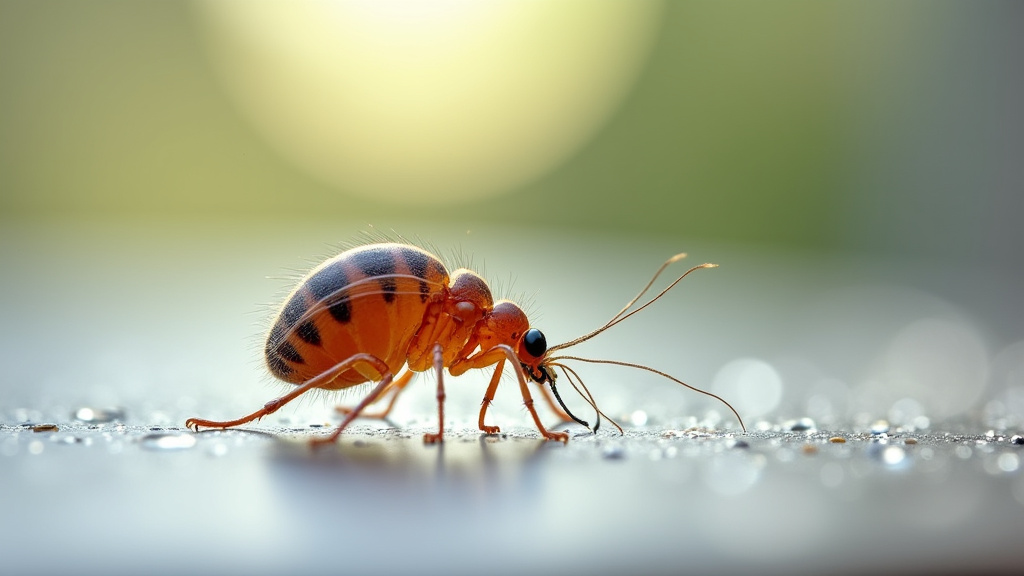
Dust mites are tiny creatures that are nearly invisible to the naked eye. They need moisture to survive. This isn’t just a preference; it’s a biological necessity for them. They absorb water directly from the air.
Dust Mites’ Thirst for Moisture
Research shows that dust mites are particularly vulnerable to dehydration. When humidity levels drop below 50%, their ability to absorb water is significantly hampered. This can lead to them drying out and dying.
Think of it like trying to grow a plant in the desert without water. It’s tough! Dust mites face a similar challenge when your home’s air is too dry. This is why monitoring and controlling humidity is a top strategy for reducing their population.
The Reproduction Cycle and Humidity
Dust mites reproduce quickly in ideal conditions. These conditions include warmth and high humidity. When humidity is high, their eggs hatch more successfully. Adult mites also live longer and lay more eggs.
Lowering humidity disrupts this entire cycle. It makes it harder for eggs to hatch. It can also shorten the lifespan of adult mites. This means fewer dust mites in your home over time. It’s a simple but effective way to manage them.
How to Measure and Monitor Your Home’s Humidity
You can’t effectively control what you don’t measure. Luckily, checking your home’s humidity is quite simple. You’ll want to get a tool to help you keep track.
Understanding Hygrometers
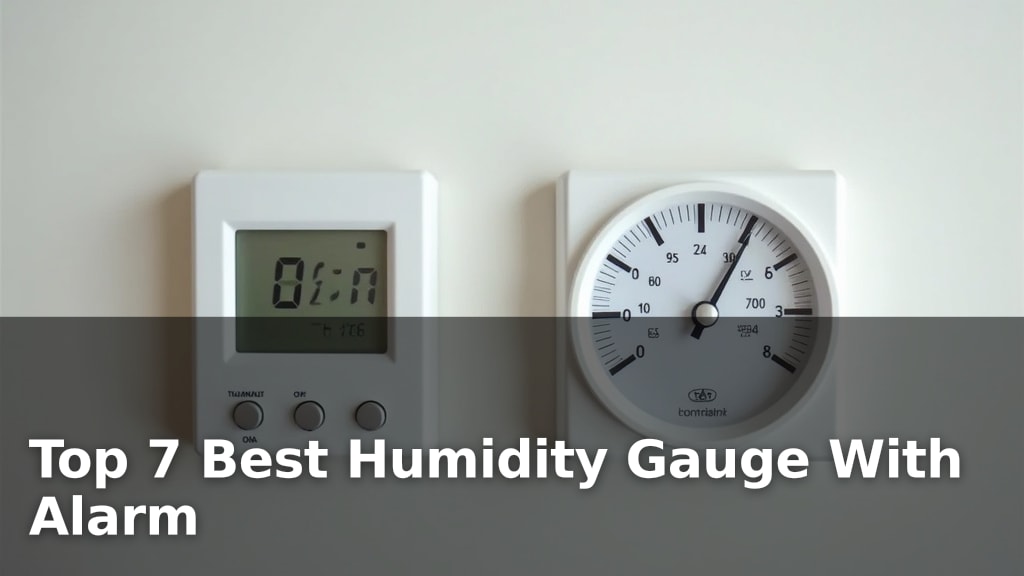
A hygrometer is your best friend in this battle. It’s a small, inexpensive device that measures the amount of moisture in the air. You can find digital hygrometers that display the percentage of relative humidity clearly.
Many people find it helpful to place hygrometers in different rooms. This helps you see if some areas of your home are more humid than others. Bedrooms and bathrooms are often hotspots for moisture. Knowing these areas helps you target your efforts.
Where to Place Your Hygrometer
For the most accurate readings, place your hygrometer away from direct sunlight or heat sources. Avoid placing it near windows or doors that are frequently opened. These locations can give you misleading low readings.
A good spot is on an interior wall, about waist-high. This provides a good average reading for the room. Check your hygrometer readings daily, especially during seasons when humidity can fluctuate.
Strategies for Lowering Humidity Levels
Once you know your humidity levels, you can take action. The goal is to bring those numbers down into the 30-50% range if they are too high. Several practical methods can help you achieve this.
Ventilation is Key
Good airflow is crucial for controlling humidity. When you air out your home, you replace moist indoor air with drier outdoor air. This is especially important after activities that produce moisture.
Everyday Ventilation Tips
Open windows and doors regularly, even for just 10-15 minutes a day. This helps circulate fresh air. Using exhaust fans in bathrooms and kitchens is also very important. These fans pull moisture out of the air directly at the source.
Specific Moisture-Producing Activities
Think about cooking, showering, and even drying clothes indoors. These activities release a lot of water vapor. Make sure your ventilation systems are working well for these times. Running a bathroom fan during and after a shower is a great habit.
The Power of Dehumidifiers
For persistently high humidity, a dehumidifier is often the most effective solution. These machines actively remove moisture from the air.
Choosing the Right Dehumidifier
Dehumidifiers come in various sizes. Consider the square footage of the area you need to dehumidify. For a whole house, you might need a larger unit or a whole-house system. For a single room, a smaller portable unit is often sufficient.
Many modern dehumidifiers have built-in humidistats. This allows you to set a target humidity level. The machine will then turn on and off automatically to maintain that level. This is very convenient and energy-efficient.
Maintaining Your Dehumidifier
Remember that dehumidifiers collect water. You’ll need to empty the water tank regularly. Some models have a hose attachment for continuous drainage, which is a handy feature. Keep the filters clean for optimal performance.
Managing Moisture from Other Sources
Beyond ventilation and dehumidifiers, other home habits can impact humidity.
- Fix Leaks Promptly: Dripping pipes or roof leaks can introduce excess moisture. Address any water damage or leaks immediately.
- Dry Plants: Overwatering houseplants can increase humidity. Ensure your plants are well-drained.
- Avoid Indoor Clothes Drying: If possible, dry clothes outdoors or use a vented dryer. Indoor drying significantly raises humidity levels.
- Use Lids When Cooking: Covering pots and pans while cooking reduces the amount of steam released into the air.
The Impact of Climate and Season on Humidity
Your home’s humidity levels can change throughout the year. Certain climates and seasons naturally have higher humidity.
Seasonal Challenges
Summers are often the most challenging time for humidity control. Warm air holds more moisture. Rainy seasons also contribute to higher indoor humidity.
Winters can be tricky too. While outdoor air might be cold and dry, heating your home can also dry out the air excessively, sometimes dropping it below the ideal 30% mark. It’s a balancing act to keep your home comfortable year-round.
Regional Differences
If you live in a coastal area or a generally humid region, you’ll likely battle higher humidity more often. People in arid climates might find themselves needing to add moisture in the winter, but will need to focus on reduction in warmer months.
Regardless of your climate, consistent monitoring is key. Your goal is to maintain that 30-50% range as much as possible. A good hygrometer will be your constant companion.
A Quick Checklist for Humidity Control
Ready to take control? Here’s a simple checklist to help you on your way:
- Get a hygrometer and check your home’s humidity.
- Aim to keep humidity between 30% and 50%.
- Use exhaust fans in bathrooms and kitchens.
- Open windows for ventilation when possible.
- Consider a dehumidifier for stubborn humidity.
- Fix any water leaks promptly.
Conclusion
You’ve learned that keeping your home’s humidity between 30% and 50% is your best defense against dust mites. This simple range makes your environment inhospitable for these tiny allergens. By measuring your humidity with a hygrometer and using strategies like ventilation and dehumidifiers, you can effectively reduce their population. Remember to also fix leaks and manage other moisture sources. Taking these steps empowers you to create a more comfortable and healthier living space for you and your family.
Frequently Asked Questions
Can I use a humidifier in the winter to combat low humidity?
Yes, you can use a humidifier in the winter if your home’s humidity drops below 30%. However, be sure to monitor it closely with a hygrometer. You don’t want to raise it too high, as dust mites can return. Aim to keep it within the ideal 30-50% range.
How often should I check my home’s humidity levels?
It’s best to check your home’s humidity levels daily, especially when you first start monitoring or when the seasons change. Once you have a good grasp of your home’s typical patterns, you might check it a few times a week. Consistent monitoring helps you catch any issues early.
Are humidifiers bad for dust mite allergies?
Humidifiers themselves aren’t inherently bad, but they can be if misused. If you use a humidifier and it raises your home’s humidity above 50%, you create a prime environment for dust mites. Always use a hygrometer to ensure you stay within the recommended range.
What if my bathroom humidity is always high, even with a fan?
If your bathroom humidity remains high despite using the exhaust fan, the fan might not be powerful enough for the space, or there could be other moisture sources. Ensure the fan is vented properly to the outside. You might also consider using a small, portable dehumidifier in the bathroom between uses.
Can opening windows really lower my home’s humidity?
Yes, opening windows is an effective way to lower humidity, but only if the outside air is drier than your indoor air. In humid climates or during rainy weather, opening windows might actually increase humidity. Always check your hygrometer to see if airing out your home will be beneficial.