Is a Whole House Dehumidifier Worth the Cost?
On this page (3 sections)
Yes, a whole house dehumidifier is often worth the cost for many homeowners. It tackles humidity issues comprehensively, providing consistent comfort and preventing long-term damage to your home. If you’re battling musty smells or sticky air, it could be your best solution.
Unlike portable units, whole house systems integrate directly into your HVAC. This means they manage humidity throughout your entire living space, not just one room. We found that this can lead to better air quality and protect your belongings from moisture damage, such as warped wood and mold growth.
- Addresses humidity across your entire home.
- Protects against mold, mildew, and musty odors.
- Helps prevent damage to wood floors, furniture, and structural elements.
- Can improve overall indoor air quality and comfort.
- More efficient than multiple portable units.
Let’s take a closer look at whether investing in a whole house dehumidifier makes sense for your home’s specific needs.
When is a Whole House Dehumidifier a Smart Investment?
You’re likely here because you’re wondering if a whole house dehumidifier is truly worth the investment. It’s a big question, and the answer really depends on your specific home and its humidity challenges. We’ve found that for many people, the answer is a resounding yes. These systems go beyond portable units to tackle moisture problems throughout your entire home, offering a level of comfort and protection that portable options just can’t match. They offer a consistent solution to pervasive humidity issues.
Understanding Home Humidity and Its Effects
High humidity in your home isn’t just about feeling sticky. It creates a breeding ground for unwanted guests like mold and mildew. These can affect your health and damage your home’s structure. We found that consistently high indoor humidity levels, often above 50-60%, can lead to a variety of problems. Our guide on whether a dehumidifier can get rid of mold explains how reducing moisture inhibits growth and prevents future issues.
The Health Impacts of Excess Moisture
Breathing in air laden with mold spores can trigger allergies and asthma symptoms. This is especially true for children and older adults. We’ve seen research from organizations like the EPA that links poor indoor air quality, often exacerbated by high humidity, to respiratory issues. Your home should be a sanctuary, not a source of health concerns. Managing humidity is a key step toward ensuring your family breathes cleaner, healthier air.
Protecting Your Home’s Structure and Belongings
Moisture is like a slow-motion saboteur for your house. It can warp wooden floors, cause paint to peel, and even damage drywall. Your furniture, books, and electronics are also at risk. Think about your favorite leather armchair or that antique dresser – constant dampness can cause them to degrade prematurely. We found that the cost of repairing this kind of water damage can far exceed the investment in a whole house dehumidifier. It’s about preserving your assets.
How Whole House Dehumidifiers Work
Unlike portable units that manage one room, a whole house dehumidifier is integrated directly into your HVAC system. This allows it to control humidity levels throughout your entire home. It works in tandem with your air conditioner and furnace, meaning it’s not an entirely separate appliance.
Integration with Your HVAC System
When your HVAC system runs, it also signals the dehumidifier to operate. This coordinated effort ensures that as air circulates, it’s being conditioned for both temperature and moisture content. This intelligent design means the dehumidifier doesn’t have to work overtime when your AC is already running. Many models are designed to be energy-efficient when paired correctly.
Capacity and Coverage
Whole house dehumidifiers come in various capacities, measured in pints of moisture removed per day. The right size for your home depends on factors like your climate, the size of your house, and insulation levels. We found that sizing is critical for optimal performance. An undersized unit won’t keep up, while an oversized one might cycle too frequently, affecting efficiency. A professional assessment can help you determine the Our guide on how big a dehumidifier needs to be explains why sizing is critical for optimal performance.ideal capacity for your needs.
Comparing Whole House vs. Portable Dehumidifiers
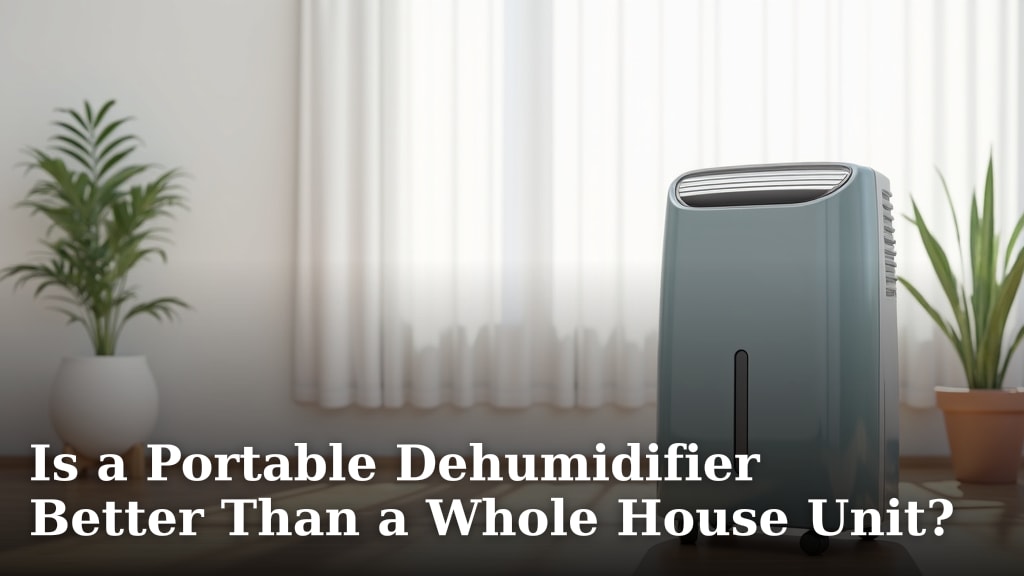
It’s easy to see the appeal of portable dehumidifiers – they’re cheaper upfront and easy to move. However, they have significant limitations when compared to whole house systems. Let’s break down the key differences.
Coverage Area and Effectiveness
A portable unit is designed for a single room. To address humidity in multiple areas, you’d need several units. This can quickly become inconvenient and costly. A whole house system, on the other hand, offers uniform humidity control across your entire living space. This consistent management prevents damp spots from developing in basements, attics, or closets.
Convenience and Maintenance
Portable dehumidifiers require frequent emptying of water collection tanks. Depending on the humidity, this might mean daily emptying. It’s a chore many people find burdensome. Whole house units typically drain automatically into your home’s plumbing or via a condensate pump. This significantly reduces the maintenance effort. We found that the reduced hassle is a major selling point for homeowners.
Energy Efficiency Considerations
While a single portable unit uses less electricity than a whole house system, running multiple portables to cover your entire home can actually consume more energy overall. Whole house dehumidifiers are designed to work efficiently with your HVAC system. Many are ENERGY STAR certified, indicating they meet strict energy efficiency guidelines set by the EPA. This can lead to long-term energy savings compared to a patchwork of portable units.
The Cost-Benefit Analysis: Is it Worth It?
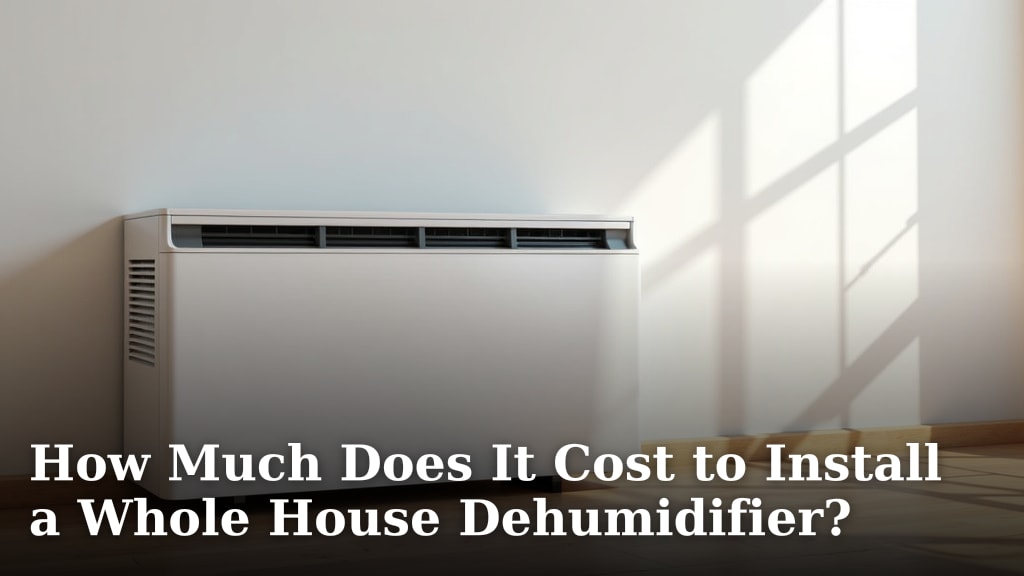
Let’s talk about the elephant in the room: cost. Whole house dehumidifiers represent a significant upfront investment, typically ranging from $1,000 to $3,000 or more, including installation. This is considerably more than a portable unit. However, the return on investment comes in several forms.
Initial Purchase and Installation Fees
The price tag includes the unit itself and whole-house installation by an HVAC technician. This ensures proper integration with your existing ductwork and HVAC controls. We found that installation is a critical step; improper setup can lead to inefficiencies or even damage.
Long-Term Savings and Protection Value
The primary value comes from preventing costly repairs due to moisture damage. Mold remediation, structural repairs, and replacement of damaged belongings can run into thousands of dollars. Consider the cost of replacing water-damaged flooring or repairing a ceiling affected by attic leaks. A whole house dehumidifier acts as a proactive defense against these potential expenses.
Improved Comfort and Air Quality Benefits
Beyond financial savings, there’s the tangible benefit of increased comfort. A home with balanced humidity feels more pleasant. It eliminates that clammy, sticky sensation and reduces the musty odors often associated with dampness. Many users report better sleep and fewer allergy symptoms. We found that improved indoor air quality and comfort are often cited as the most appreciated benefits by homeowners.
Here’s a quick checklist to help you decide if it’s the right move for your home:
- Do you frequently notice a musty smell, especially in basements or closets?
- Have you seen signs of mold or mildew growth on walls or ceilings?
- Are your wooden floors, furniture, or musical instruments showing signs of warping or damage?
- Do you or your family members suffer from allergies or asthma that seem worse at home?
- Do you live in a region with consistently high humidity for a significant part of the year?
- Are you tired of emptying multiple portable dehumidifier tanks?
Conclusion
When you weigh the upfront investment against the long-term benefits, a whole house dehumidifier often proves its worth. You’re not just buying an appliance; you’re investing in healthier air, protecting your home from costly damage, and ensuring consistent comfort year-round. Say goodbye to that sticky, musty feeling and hello to a more pleasant living environment. If you’ve been struggling with persistent humidity issues, it’s time to talk to an HVAC professional about sizing and installation options for your home.
Frequently Asked Questions
How much does a whole house dehumidifier typically cost to install?
The cost for a whole house dehumidifier, including professional installation, generally ranges from $1,000 to $3,000 or more. This price can vary based on the unit’s capacity, brand, and your specific home’s HVAC system complexity.
Can a whole house dehumidifier help with allergies?
Yes, by reducing indoor humidity levels, a whole house dehumidifier can significantly inhibit the growth of mold and dust mites, which are common allergens. This can lead to cleaner air and potentially fewer allergy or asthma symptoms for you and your family.
Will a whole house dehumidifier make my home feel colder?
While dehumidifiers do generate a small amount of heat as a byproduct of operation, they are designed to work with your HVAC system. They remove moisture without drastically affecting your home’s temperature, and often lead to a more comfortable environment overall.
How often do I need to maintain a whole house dehumidifier?
Maintenance is generally minimal. The system usually drains automatically, so you won’t need to empty water tanks. We found that checking and cleaning or replacing the filter annually is typically sufficient, similar to your furnace or air conditioner filter.
Is a whole house dehumidifier more energy-efficient than running multiple portable units?
For covering your entire home, a whole house system is usually more energy-efficient than running several portable units. They are designed to work in conjunction with your HVAC system and often have ENERGY STAR certifications for better performance.