How to Choose a Sump Pump Freeze Guard
A sump pump freeze guard is a relief fitting that opens when ice blocks the discharge line: it lets water escape before pressure bursts a pipe or forces water back into the basin. Choose a type that matches where your line freezes, plus pipe and outlet parts that drain freely.
On this page (11 sections)
- What does a sump pump freeze guard actually do?
- Which freeze guard style fits your discharge line?
- Where should you place a sump pump freeze guard on the pipe?
- How do pipe size and slope affect freezing?
- How do you size a freeze guard for a basin pump?
- How do condensate pumps change the freeze guard choice?
- How do you protect the outdoor outlet from ice and snow?
- How do hose and tubing choices affect freeze risk?
- What setup steps prevent a freeze guard from failing?
- How do you maintain a freeze guard through winter?
- Which freeze guard setup should you buy for your home?
A sump pump freeze guard is a relief fitting that opens when ice blocks the discharge line. It lets water leave the system before pressure can burst a pipe or push water back toward your basin.
You need one most when your discharge line runs through cold air. That includes a line that exits a basement wall, crosses a crawl space, or runs above grade to a yard outlet.
A guard does not keep water warm. It gives water somewhere to go when the normal path closes.
Think of it as a safety valve for winter, not as insulation or heat.
We compared the pump types and fittings that pair with a freeze guard. We checked the specs for flow rate, lift height, discharge size and overflow controls.
Our score weighs specs, features and buyer feedback against what you are shopping for. The three products below cover a full sump basin pump and two smaller condensate pumps.
What does a sump pump freeze guard actually do?
A freeze guard reliefs pressure when a discharge line freezes shut. It opens an alternate path so water can escape instead of building pressure in a closed pipe.
Without relief, a pump can keep running against ice. Pressure rises, joints can leak, and water can back up through the pump or overflow the basin.
When the line thaws, a guard closes again and normal discharge resumes. Some types need manual reset, while others close by gravity or spring action.
A guard also helps if the outside outlet is buried by snow or blocked by debris. In those cases the blockage is at the end of the line, not from ice inside the pipe.
Choose a guard for the blockage you expect. Ice inside an exposed pipe needs relief near the freeze zone.
A blocked yard outlet needs relief before the outlet, or a better outlet design.
Which freeze guard style fits your discharge line?
Pick the style that drains in the direction you can control. A side relief, a top relief, and a low drain point each fit a different pipe layout.
A side port with a flap or ball lets water spill out sideways when pressure rises. You need a safe place for that water to land, such as a bucket, a drain, or a splash area.
A top relief or standpipe gives water a vertical escape. It works well indoors, where spilled water can fall into a basin or a floor drain you can monitor.
A low drain point, such as a small tee with a cap you can open, lets you empty the line before a deep freeze. It needs manual action, so it suits owners who check the line in fall.
Some guards are built into a check valve assembly. Others are separate fittings you add to an existing pipe run.
Match the thread or slip size to your pipe before you buy.
A guard must handle the full flow from your pump. A fitting rated for a small condensate line will choke a basin pump and can cause the pump to cycle too often.
Where should you place a sump pump freeze guard on the pipe?
Place the guard above the zone where the pipe can freeze. The best spot is usually inside the house, just before the line passes through the cold zone.
Inside placement keeps the relief point warm and easy to reach. You can see a spill early and you can reset the fitting without going outside in a storm.
If your line freezes at the outside outlet, place relief just inside the wall. That spot protects the indoor pipe and gives water a path before it reaches the frozen section.
Avoid placing a guard in a spot where spilled water can soak a wall, a sill plate, or stored goods. Aim the outlet toward a drain, a basin, or a splash block you control.
Keep the guard above any point where water can sit and freeze again. Relief water that pools on a fitting can form ice and block the very path you need.
Can a freeze guard go outdoors?
Yes, but outdoors adds its own freeze risk. Outdoor relief works best when it drains down and away, not when it traps water in a cup or elbow.
Snow can cover an outdoor port and seal it shut. Wind can also drive ice into an upward facing opening.
If you must use an outdoor guard, face it down or sideways and add a splash guard. Check it after heavy snow and after a thaw.
How do pipe size and slope affect freezing?
Pipe size and slope decide how much water stays in the line. A line that drains fully after each cycle has far less water available to freeze.
Standing water is the main cause of ice plugs. Low spots, flat runs, and long horizontal sections hold water after the pump stops.
Use the pipe size your pump maker specifies. Undersized pipe raises pressure and slows drainage.
Oversized pipe can also slow the flow and leave water sitting in the run.
Our guide to sump pump pipe explains how to match diameter, wall thickness and fittings to your pump. It also covers why a sag can undo good95 design.
Pitch the outdoor run away from the house where your local rules allow it. Keep the line as short and straight as you can from the wall to the outlet.
Support long runs so they do not belly over time. A belly that forms after you finish the install can trap water by spring.
How do you size a freeze guard for a basin pump?
Size the guard for your pump's flow rate and lift height. A basin pump that moves high volume needs a relief path with matching capacity.
Check your pump's gallons per hour at the lift your line requires. Lift height matters because flow drops as the pump pushes water higher.
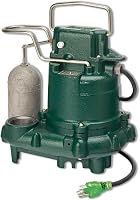
A Zoeller M53 Mighty-mate Submersible Sump Pump is a 1/3 hp basin pump with a maximum lifting height of 19.25 feet. That lift range tells you how high it can push water before flow falls sharply.
Zoeller says the M53 has a cast iron motor and pump housing with a plastic base. It also has a float activated switch and a non-clogging vortex impeller design.
The pump is 9.96 x 7.95 x 10.16 inches and weighs 21 pounds. Its corded electric design and 115 volt power source fit standard basement outlets.
A relief fitting for this class of pump must pass the same volume the pump can deliver. A small flap that suits a condensate pump will not protect this system.
Plan the discharge as a system. Our sump pump for basement guide walks through basin, pump, check valve and discharge choices in order.
How do condensate pumps change the freeze guard choice?
Condensate pumps need smaller guards and smaller pipe. Their discharge is only 3/8 inch, so the relief fitting and drain parts must match that size.
Condensate comes from air conditioners, furnaces, boilers and dehumidifiers. The volume is low, but the line often runs through an attic, a garage, or a cold wall.
A 1/2 gallon tank in these pumps holds only a short burst of water. If the discharge freezes, that tank can fill and overflow quickly.
An overflow detection switch helps here. It can shut down the appliance or sound an alarm when the tank fills, and that warning protects a ceiling or a wall below.
Two models show how small condensate systems differ. Both run on 115 volts and both include a 1/2 gallon tank, a 6 foot cord, and a barbed discharge with a check valve.
The Little Giant VCMA-20ULS 115 Volt is a 1/30 hp pump rated at 80 gallons per hour at 1 foot of lift. It has a 20 foot shut-off height and a 3/8 inch OD barbed discharge.
Little Giant says the VCMA-20ULS has a thermally protected motor rated at 1.5 amps and 93 watts. It can handle water temperatures up to 140 degrees F.
The Little Giant VCMA-15ULST 115 Volt is a 1/50 hp pump rated at 65 gallons per hour at 1 foot of lift. It has a 15 foot shut-off height and includes 20 feet of 3/8 inch ID vinyl tubing.
Little Giant says the VCMA-15ULST motor is rated at 1 amp and 60 watts. Both models use an ABS tank and a stainless steel motor shaft.
Pick the 80 gallon per hour model if your lift is taller or your run is longer. Pick the 65 gallon per hour model if you need the included tubing and your lift stays low.
Our article Can a Dehumidifier Freeze Up? explains how cold rooms affect dehumidifier condensate and why drain lines need attention in winter.
How do you protect the outdoor outlet from ice and snow?
Protect the outlet so the normal path stays open. A guard helps, but a clear, drained outlet prevents most freeze events.
Keep the outlet above grade where it can drain. A line that ends in a low puddle will wick ice back into the pipe during a cold snap.
Use a sump pump yard drain outlet or a similar fitting that sheds water and resists clogging. Size the outlet for the pipe flow, not for looks.
Direct the outlet away from walkways where spilled water can form ice. A splash pad, a gravel bed, or a buried outlet that drains to daylight can all work, if local rules allow it.
Check the outlet after heavy snow. Snow can seal a low outlet even when the pipe itself is clear.
Label the outlet with a small marker. That marker helps you find it fast during a thaw, and it helps a service tech find it later.
In areas with high freeze risk, some owners add a second outlet path. That redundancy costs more, but it gives the pump another route when one end seals shut.
How do hose and tubing choices affect freeze risk?
Hose and tubing affect how fast a line drains. Flexible hose that sags or kinks holds water, and held water freezes first.
Rigid pipe holds its pitch better than loose hose. It also resists crushing under snow or soil if it runs slightly below grade.
For condensate lines, the included vinyl tubing on the VCMA-15ULST is 20 feet long. That length suits a short run to a drain, but it can kink if you route it with tight bends.
For basin pumps, compare rigid discharge options in our best sump pump discharge hose guide and our best sump pump hose 1 1/2 guide. Those guides explain diameter, coupling and check valve fit.
Avoid a hose that loops down and back up. Each low loop becomes a trap that holds water after the pump stops.
If you must use flexible hose, support it on a firm path and keep bends gentle. Replace hose that has kinks, cracks, or a flattened section.
Insulation can slow heat loss, but it does not add heat. Use it to protect a line that already drains well, not to save a line that holds water.
What setup steps prevent a freeze guard from failing?
Set up the guard so it can open, drain, and close again. Test the path in mild weather, before the first hard freeze.
First, run the pump and watch the full discharge cycle. Confirm the line empties and the check valve holds without chatter or backflow.
Second, open the relief by hand if the design allows it. Confirm water flows out cleanly and the fitting resets without forcing.
Third, aim the relief outlet at a safe drain point. Add a bucket, a splash guard, or a drain hose if the spill would hit a wall or the floor.
Fourth, check for leaks at every joint under pressure. A small drip at a coupling can become a large ice mass during a cold night.
Fifth, confirm power and controls. A float switch, an overflow switch, and a check valve each play a role, and each one can fail if it is stuck or clogged.
Our Best Dehumidifier For Basement With A Sump Pump guide covers how dehumidifier condensate and basin water interact in a shared basement space.
How do you maintain a freeze guard through winter?
Maintain the guard with short checks through the cold months. A monthly look at the relief, the outlet, and the pipe pitch prevents most surprises.
Clear ice, snow, and leaves from the outlet after each storm. Use a plastic tool so you do not crack the fitting.
Listen for pump changes. Short cycling, new noises, or a longer run time can signal a partial blockage or a weak check valve.
Check the basin water level during a freeze. A rising level with no discharge means the line is likely blocked somewhere, even if the guard has not opened yet.
Clean the pump intake and the float area in the fall. Debris around a float can keep a pump from starting, and that delay lets water rise fast.
In spring, inspect the full line for winter damage. Look for split pipe, loose couplings, and a pitch change caused by frost heave.
Re-test the relief after the spring inspection. Confirm it opens and closes freely before you put the system back into normal service.
Which freeze guard setup should you buy for your home?
Match the guard to your pump, your pipe, and your freeze zone. A small condensate relief, a basin pump relief, and a yard outlet each solve a different part of the problem.
Choose a basin pump first if your pit collects groundwater. The Zoeller M53 gives you a 1/3 hp submersible pump with a 19.25 foot maximum lift for a full discharge run.
Choose a condensate pump if your main risk is a small drain line from HVAC or a dehumidifier. The Little Giant VCMA-20ULS gives you more lift and flow, at 80 gallons per hour and 20 feet of shut-off.
Choose the Little Giant VCMA-15ULST if you want included tubing for a short run. It gives you 65 gallons per hour, a 15 foot shut-off height, and 20 feet of vinyl tubing in the box.
Add a relief fitting sized to that discharge, place it before the cold zone, and build the outlet to drain freely. That combination gives a sump pump freeze guard a real chance to work when ice forms.
Frequently asked questions
What does a sump pump freeze guard do?
A sump pump freeze guard gives water a relief path when ice blocks the discharge line. It can open a side port, lift a flap, or create a drain point above the freeze zone.
That relief lowers pressure and reduces the chance water backs into the basin or splits a pipe.
Where should a freeze guard go on the line?
Place the guard above the highest point where ice can form and below the pump outlet. Many homes put it indoors, just outside the wall penetration, or at a low drain point in a garage.
The exact spot depends on whether your line runs underground, above grade, or through an unheated crawl space.
Can a freeze guard replace proper pipe slope and drainage?
No. A guard is a safety relief, not a substitute for a line that drains.
Pipe should pitch away from the house, avoid sags, and empty outside to a safe outlet.
A guard helps if ice forms, but a line built to drain will freeze less often in the first place.
Which product type fits a condensate line instead of a sump basin?
Condensate lines use small pumps with 3/8 inch discharge and overflow switches, while basin pumps move far more water through larger pipe. Match the guard and pipe size to the pump.
A small condensate relief will not handle a full sump pump flow rate safely.