
What Humidity Level Is Best for a Nursery?

The best humidity level for a nursery is generally between 40% and 60%. Maintaining this range helps your baby breathe easier and can prevent common issues like dry skin and congestion. Too much or too little humidity can create an uncomfortable environment for your little one.
Getting the nursery humidity just right is super important for your baby’s comfort and health. Research shows that optimal humidity levels can help ward off sniffles and keep their delicate skin feeling soft. It’s a simple adjustment that makes a big difference in creating a healthy and happy sleep space for your baby.
- The ideal nursery humidity is 40-60%.
- This range helps with breathing and skin comfort.
- Too high or too low humidity can cause problems.
- Monitoring humidity is key for a healthy nursery.
Let’s walk through why this range is so important and how you can easily achieve it in your baby’s room.
Finding the Sweet Spot: Your Nursery’s Ideal Humidity Level
The best humidity level for your baby’s nursery is a sweet spot between 40% and 60%. This range creates a comfortable environment. It helps your little one breathe easier and keeps their delicate skin happy. Too much or too little can lead to common baby woes.
Why Humidity Matters for Little Lungs and Skin
Think of your baby’s respiratory system. It’s still developing. Proper humidity levels help keep their nasal passages and throat moist. This makes it easier for them to breathe. It also helps mucus flow better, which can prevent congestion. Research consistently points to this range as optimal for respiratory health (CDC).
Dry air can be like sandpaper for a baby’s skin. It can lead to dry, itchy patches. This can make your baby fussy. Conversely, air that’s too moist can encourage the growth of mold and dust mites. These can trigger allergies and breathing issues. So, hitting that 40-60% mark is really a balancing act. Understanding how mold and dust mites thrive in high humidity can help you maintain a healthy nursery.
Understanding the Risks of Too Low Humidity
When the air in your baby’s room is too dry, it can feel like living in the desert. Your baby’s nose might feel stuffy. Their throat could get scratchy. This can lead to a higher risk of nosebleeds, too. We’ve all had a dry nose, and it’s not fun. For a baby, it can be even more uncomfortable.
Dry air can also affect their sleep. A stuffy nose means a fussy baby. A fussy baby means tired parents. It’s a cycle we’re all trying to avoid! Plus, dry skin is a common complaint. You might notice red, chapped cheeks or dry spots on their body. It’s something you want to avoid for your little one’s comfort. Many pediatricians advise keeping indoor humidity above 30% to prevent these issues (American Academy of Pediatrics).
The Downsides of Humidity That’s Too High
On the flip side, we don’t want your baby’s room to feel like a steamy jungle. High humidity, above 60%, creates a breeding ground for unwanted guests. We’re talking about mold and dust mites. These tiny things can cause big problems for a baby’s developing lungs. They can trigger asthma and allergies.
You might start to notice a musty smell in the room. You could see condensation on windows or walls. This is a clear sign that humidity levels are too high. It’s important to address this quickly. This is because mold spores can spread fast. They can affect the air quality in the entire home. Maintaining good airflow is also key to preventing moisture buildup.
How to Measure and Monitor Your Nursery’s Humidity
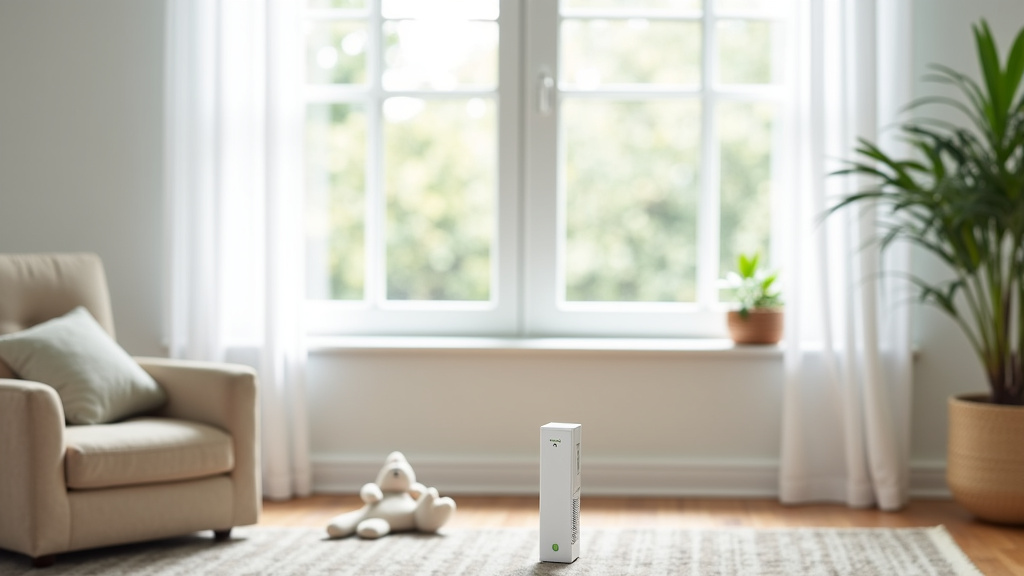
So, how do you know if you’re in that golden 40-60% range? The easiest way is with a hygrometer. This is a small, inexpensive device. It looks a bit like a thermometer but measures humidity instead. You can find them online or at most hardware or baby stores.
Choosing the Right Tool for the Job
Digital hygrometers are very popular. They often have a clear display showing the percentage. Some even show the temperature too. This is helpful, as temperature also plays a role in comfort. Battery-powered ones are great. You can place them anywhere in the nursery. Some models even have a color-coded indicator to show if humidity is too low, too high, or just right. That makes it super easy to understand at a glance.
Analog hygrometers are another option. They use a dial instead of a digital screen. They are usually a bit less precise than digital ones. But they can still give you a good general idea of the humidity level. Whichever type you choose, pick one that’s easy to read. You’ll be checking it often at first.
Where to Place Your Hygrometer for Accurate Readings
Placement is key for accurate readings. You don’t want to put it right next to a humidifier or a vent. That will skew the results. The best spot is usually in the main living area of the room. Place it away from doors and windows. It should be at about baby’s breathing level. This gives you a true sense of the air your baby is inhaling. Aim for a spot that’s visible. This way, you can easily check it without disturbing your sleeping little one.
Achieving and Maintaining Ideal Nursery Humidity
Once you know your humidity levels, you can take steps to adjust them. Think of it as fine-tuning. It’s about creating the perfect atmosphere for your baby’s well-being. We’ve got some simple strategies for you.
When Humidity is Too Low: Bringing in Moisture
If your hygrometer shows levels below 40%, it’s time to add some moisture. The most effective way to do this is with a cool-mist humidifier. Why cool mist? Because warm mist can pose a burn risk if a curious little hand gets too close. Cool mist humidifiers release a fine mist of water into the air. This gently increases humidity levels.
When using a humidifier, it’s vital to keep it clean. Follow the manufacturer’s instructions. This usually involves daily emptying and rinsing. A weekly deep clean is also recommended. Use distilled or demineralized water. This prevents mineral buildup and keeps the mist cleaner. Place the humidifier away from the crib and out of reach of tiny hands. Aim to raise the humidity to the 40-60% range. Then, monitor it closely.
You can also add a few houseplants to the room. Certain plants can naturally release moisture into the air. However, make sure they are non-toxic and out of reach of your baby. Simple things like hanging damp towels or letting the bathroom door stay open after a shower can also help a little.
When Humidity is Too High: Reducing Moisture
If your hygrometer reads above 60%, you need to reduce the moisture. The best tool for this is a dehumidifier. These devices work by pulling excess moisture out of the air. They collect it as water in a tank. Like humidifiers, keep them clean and empty the water tank regularly. Understanding what humidity levels cause mold is key to prevention.
Another effective method is to improve air circulation. Open windows when the outdoor air quality is good and the temperature is mild. Use a fan on a low setting to keep the air moving. This helps prevent moisture from settling in one area. Also, avoid drying clothes inside the nursery. Ensure any bathrooms or laundry areas near the nursery are well-ventilated.
Regularly check for signs of moisture issues. These include condensation on windows, peeling wallpaper, or a musty smell. Addressing these promptly can prevent bigger problems. Proper ventilation is your friend here. It helps keep the air fresh and balanced.
Quick Tips for Perfect Nursery Humidity
- Invest in a hygrometer to accurately measure humidity.
- Aim for a consistent 40-60% humidity range.
- Use a cool-mist humidifier if air is too dry.
- Use a dehumidifier and improve ventilation if air is too moist.
- Clean your humidifier/dehumidifier regularly to prevent mold and bacteria.
- Monitor levels daily, especially during extreme weather.
Getting the nursery humidity right might seem like a small detail. But it has a big impact on your baby’s health and comfort. By understanding the ideal range and using the right tools, you can create a perfectly balanced environment. This helps your little one sleep soundly and breathe easy. Remember, consistency is key. A little attention can go a long way.
Conclusion
You’ve learned that maintaining a nursery humidity level between 40% and 60% is key for your baby’s health and comfort. This range helps prevent breathing issues and keeps their skin happy. You now know how to monitor humidity with a hygrometer and use humidifiers or dehumidifiers to make adjustments. Consistently checking and adjusting the humidity levels will create a cozy and healthy sleep environment for your little one. Your next step is to get a hygrometer and start monitoring your nursery today!
Frequently Asked Questions
How often should I check the nursery humidity?
It’s a good idea to check the nursery humidity levels at least once a day, especially when you first set up your monitoring system. You might want to check more often during extreme weather changes, like very cold or very hot days, as these can impact indoor humidity.
Can a regular thermometer measure humidity?
No, a standard thermometer only measures temperature. You’ll need a dedicated device called a hygrometer to accurately measure the humidity level in your baby’s room. These are readily available and relatively inexpensive.
Is it okay if the humidity drops slightly below 40% sometimes?
A slight dip below 40% for a short period might not cause immediate issues, but you should aim to keep it within the 40-60% range consistently. Prolonged periods of low humidity can lead to dry skin and congestion, so try to correct it as soon as possible.
What should I do if I see condensation on my windows?
Condensation on windows is a sign that your nursery humidity is too high, likely above 60%. You should use a dehumidifier or improve air circulation by opening windows (if outdoor air is dry) and using a fan to reduce moisture in the room.
Do I need to use distilled water in my cool-mist humidifier?
Yes, it’s highly recommended to use distilled or demineralized water in your cool-mist humidifier. Using tap water can cause mineral dust to be released into the air and can also lead to buildup inside the humidifier, potentially affecting its performance and the air quality.
