What Is a Low Temperature Dehumidifier?
On this page (7 sections)
A low temperature dehumidifier is a special type of dehumidifier designed to effectively remove moisture from the air even in cool or cold environments, like basements, garages, or crawl spaces. Unlike standard dehumidifiers that struggle in cooler temps, these units are built to work efficiently below 65°F.
You might be wondering if your damp, chilly space needs one. We found that traditional dehumidifiers often freeze up or stop working effectively when the temperature drops. This is where a low temp model steps in, providing consistent moisture control where others fail. They are a smart choice for preventing mold and mildew in these challenging areas.
- Low temperature dehumidifiers work in cool spaces (below 65°F).
- They prevent freezing and maintain efficiency in cold areas.
- Ideal for basements, garages, and crawl spaces.
- They help stop mold and musty odors.
Let’s break down exactly what makes these dehumidifiers different and how they can help you keep your cool, damp spaces dry and comfortable.
Understanding Low Temperature Dehumidifiers
So, you’ve got a damp, chilly space like a basement or garage. Standard dehumidifiers might not cut it there. That’s where a low temperature dehumidifier shines. It’s built to tackle moisture when the air is cool.
How Do They Work Differently?
Most standard dehumidifiers use a refrigeration process. They pull air over cold coils. Moisture condenses on these coils. Then, it drips into a collection tank. This works great in warm environments.
But what happens when it gets cold? The coils can get too cold. They might even freeze over. When coils freeze, the dehumidifier can’t effectively remove moisture anymore. It might even stop working altogether. You’re left with a damp, cold space and a non-functional machine.
Low temperature models have a clever trick. They use a defrost control system. This system senses when coils are getting too cold. It then temporarily stops the cooling cycle. It might even use a small heating element. This melts any ice before it builds up. Once the ice is gone, it goes back to dehumidifying.
The Refrigerant Cycle Explained Simply
Think of it like your refrigerator. It uses a refrigerant to move heat. Dehumidifiers do something similar. They cool specific coils to make water appear. In low temps, this cooling can go too far. It can cause ice to form on the coils.
This is a bit like trying to make ice cream on a very cold day outside. If the freezer is too cold, the mixture might freeze too fast on the outside. It won’t mix well. A low temp dehumidifier has a way to manage this. It ensures the coils stay at the right temperature for condensation, not freezing.
Why You Might Need One for Cooler Areas
Many homes have spaces that stay cooler. Basements are a prime example. They are often underground. Garages can also be unheated. Crawl spaces are almost always cool and damp.
These areas are prone to moisture problems. Mold and mildew love damp, cool conditions. They can grow on walls, furniture, and stored items. This can lead to musty odors. It can also affect your home’s air quality. Some molds can even cause health issues (CDC). That’s why keeping these areas dry is so important.
A standard dehumidifier might run for a bit. Then, it might shut off because it’s too cold. You’d need to turn it on and off manually. Or, you’d have to wait for it to warm up. This isn’t ideal for consistent moisture control. A low temperature unit keeps working. It ensures these spaces stay dry year-round.
Key Features of Low Temperature Dehumidifiers
These units have specific design elements. They make them excel in cooler environments. Let’s look at what sets them apart.
Automatic Defrost Function
This is the most critical feature. We found this function is essential for operation below 65°F. It prevents the unit from freezing up. This ensures continuous operation. Without it, the unit would just freeze and stop working.
When the dehumidifier senses ice forming on the coils, the defrost cycle kicks in. It stops the compressor for a short time. It might engage a small heater. This melts the ice. Then, the unit resumes dehumidifying. It’s like a built-in self-care routine for the machine.
R-134a Refrigerant (or Similar Low-Temp Refrigerants)
The type of refrigerant used matters. Many low temperature models use refrigerants like R-134a. These refrigerants are effective at lower temperatures. They allow the coils to reach the dew point for condensation. They do this without freezing too quickly.
Older refrigerants might not perform as well in the cold. Newer refrigerants are designed for better efficiency. They can handle the temperature variations needed. This ensures the unit can still pull moisture out effectively.
Lower Operating Temperature Range
Standard dehumidifiers often have an operating range starting around 65°F. Below this, their performance drops significantly. Some might have a minimum of 60°F.
Low temperature dehumidifiers are designed to work down to much colder temperatures. Many can operate effectively down to 35°F or even 32°F. This makes them ideal for places like unheated garages in winter. You get consistent dehumidification, no matter the season.
Robust Construction
These units are often built for tougher conditions. They might be used in workshops or unfinished basements. This means they may have more durable casings. They might also have features to protect internal components.
Think of them as the workhorses of the dehumidifier world. They’re designed to keep going. They handle the humidity challenges of less-than-ideal environments. You can feel confident placing them in spaces that aren’t climate-controlled.
Where to Use a Low Temperature Dehumidifier
These specialized units are perfect for several common household areas. Think about the spots in your home that tend to be cool and damp.
Basements
Basements are the classic location for a low temp dehumidifier. They are often below ground level. This keeps them naturally cooler. Moisture can seep through concrete walls. Condensation can form on cold pipes.
A standard dehumidifier might struggle to keep up. It could freeze and shut down. A low temperature model will keep your basement dry. This prevents mold growth. It stops that “damp basement smell” from spreading upstairs.
Garages
If you have an attached or detached garage that isn’t heated, it can get quite cold. Cars track in snow and rain. Stored items can absorb moisture from the air. A low temperature dehumidifier can keep your garage dry and protect your belongings.
A low temperature dehumidifier can keep your garage dry. This protects your stored tools, seasonal decorations, and vehicles. It stops rust and mold from forming on your belongings. We found that even a small amount of moisture can cause damage over time.
Crawl Spaces
Crawl spaces are notoriously damp and cool. They are often poorly ventilated. They are a breeding ground for mold and mildew. This moisture can then travel up into your living space.
Dehumidifying a crawl space is vital for home health. A low temperature unit can operate effectively in these tight, cool areas. It helps protect your home’s foundation and structure. It also improves your indoor air quality.
Workshops and Sheds
Any unheated space used for storage or hobbies can benefit. This includes workshops, garden sheds, or even boat houses.
Protecting valuable tools, equipment, or materials is key. A low temperature dehumidifier ensures they remain dry. This prevents rust, rot, and degradation. It keeps your workspace functional and your stored items in good condition.
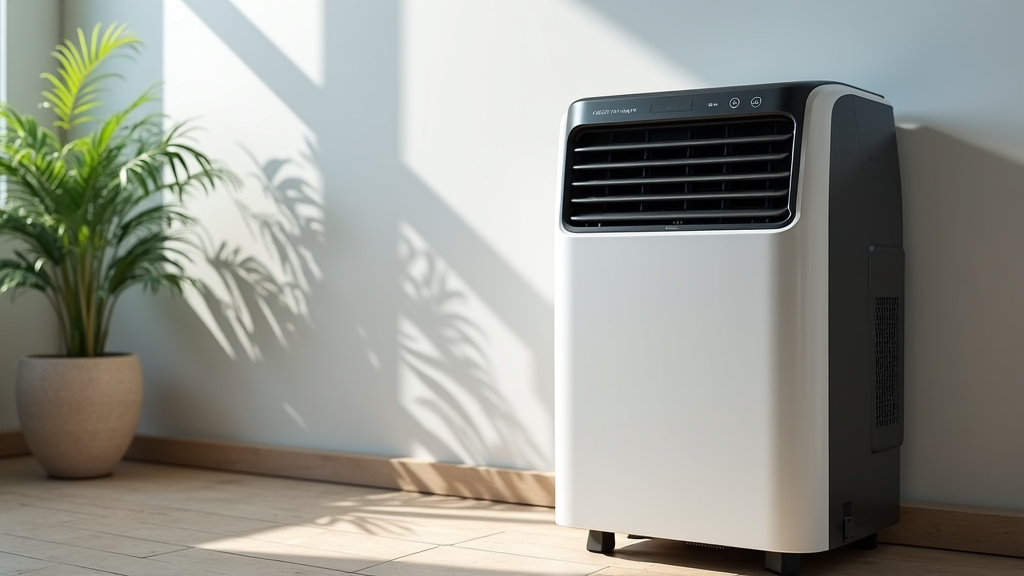
Comparing Low Temp Dehumidifiers to Standard Models
It’s helpful to see the differences side-by-side. This makes it clear why you’d choose one over the other.
| Feature | Standard Dehumidifier | Low Temperature Dehumidifier |
|---|---|---|
| Ideal Operating Temp | Above 65°F | As low as 35°F or below |
| Defrost Feature | Rarely or none | Standard, essential for cold operation |
| Performance in Cold | Poor, prone to freezing | Excellent, designed for cold |
| Refrigerant | Various | Often R-134a or similar low-temp types |
| Best Use Cases | Living areas, bathrooms, kitchens | Basements, garages, crawl spaces, workshops |
When a Standard Dehumidifier is Enough
If your main concern is a humid living area. Or, a bathroom that gets steamy. Then a standard dehumidifier is likely your best bet. These units are optimized for warmer temperatures. They are often more energy-efficient in those conditions.
They also typically have larger capacities. They are designed to handle the higher humidity levels found in occupied spaces. You wouldn’t want to use a large, powerful low temp unit in your bedroom. It might be overkill and less energy efficient than a standard model.
When You Absolutely Need a Low Temp Model
If the temperature in the room you want to dehumidify consistently drops below 65°F. Then, a low temperature model is the only way to go. Trying to use a standard unit in these conditions will lead to frustration. You’ll end up with a frozen appliance.
Research and found that using the wrong type of dehumidifier can be more expensive. It wastes energy. It doesn’t solve the moisture problem. Investing in a unit designed for your specific environment is key. It ensures effective moisture control and longevity of the appliance.
Making the Right Choice for Your Space
Choosing the right dehumidifier makes a big difference. It ensures your space stays dry and healthy.
Assess Your Space’s Temperature
First, figure out the typical temperature range of the room. Is it usually warm, or does it get chilly? You can use a simple thermometer. Place it in the area for a few days. This gives you a clear picture. Many experts suggest monitoring this before purchasing any dehumidifier.
Consider the Humidity Level
Along with temperature, check the humidity. High humidity in a cool space is a red flag. Low temperature dehumidifiers are built for this. They handle both challenges effectively.
Capacity Matters Too
Dehumidifier capacity is measured in pints per day. Larger spaces or higher humidity will need a higher capacity unit. Most low temp models come in various sizes. Pick one that fits your room’s square footage.
Here’s a quick checklist to help you decide:
- Does the room drop below 65°F regularly?
- Is the room a basement, garage, or crawl space?
- Are you seeing signs of mold or mildew?
- Is there a persistent musty odor?
- Do you store sensitive items in this cool, damp area?
- Does your current dehumidifier freeze up or stop working in this space?
Conclusion
You now understand how a low temperature dehumidifier is your best ally for combating moisture in cool, damp spaces. Unlike standard units, these specialized machines have the defrost technology and specific refrigerants needed to keep working efficiently below 65°F. This means saying goodbye to frozen coils and hello to dry basements, garages, and crawl spaces. By choosing the right tool for the job, you’re protecting your home from mold, mildew, and musty odors. Take the next step: assess your coolest spaces and select a low temperature dehumidifier to maintain a healthier home environment year-round.
Frequently Asked Questions
Can I use a regular dehumidifier in my basement if it gets cold?
Generally, no. Standard dehumidifiers are designed for warmer temperatures and can freeze up if the room temperature drops below about 65°F. This can damage the unit and stop it from removing moisture effectively. A low temperature model is built to handle these cooler conditions.
How often does the automatic defrost cycle run?
The frequency of the defrost cycle depends on the humidity and temperature of the air. When the unit detects ice buildup on its coils, the defrost system engages automatically. It typically runs for a short period to melt the ice before resuming normal operation.
Will a low temperature dehumidifier work in my unheated garage during winter?
Yes, that’s exactly what they’re designed for! Even if your garage temperature drops to near freezing, a low temperature dehumidifier with a robust defrost function can continue to pull moisture out of the air. This is crucial for protecting stored items like tools and vehicles from rust and degradation.
Are low temperature dehumidifiers more expensive than standard ones?
They can sometimes be slightly more expensive due to their specialized components, like the defrost control system and specific refrigerants. However, the investment is often worthwhile for the consistent performance they provide in cooler environments and the prevention of costly moisture damage.
How do I know if I need a low temperature dehumidifier versus a standard one for my basement?
The key is to monitor your basement’s temperature. If it consistently stays below 65°F, especially during cooler months, you’ll benefit from a low temperature model. If your basement stays relatively warm year-round, a standard dehumidifier might suffice.