How to Use a Dehumidifier in Winter?
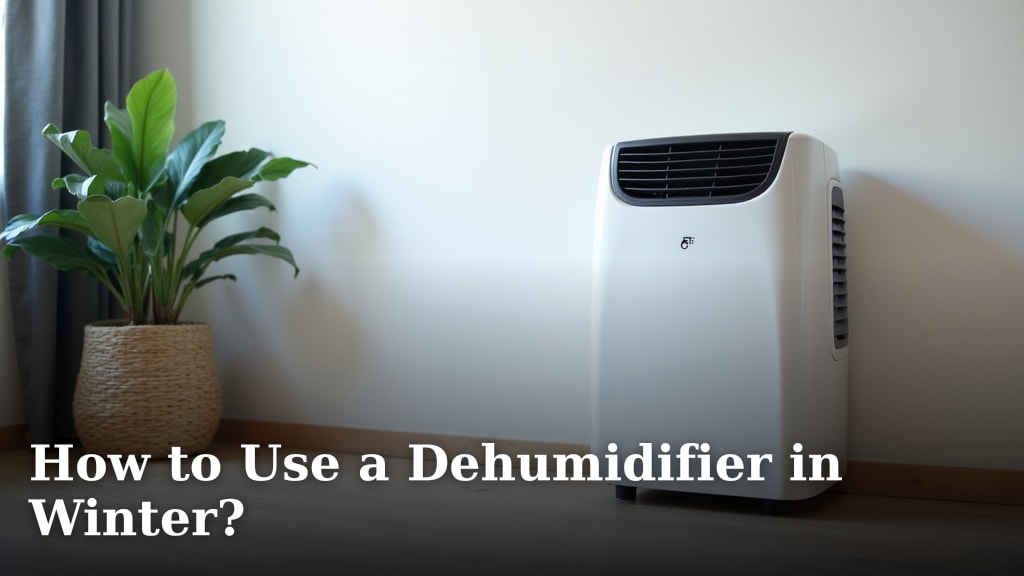
You use a dehumidifier in winter primarily to control indoor humidity and prevent moisture-related problems like mold and mildew. Many assume winter air is dry, but modern homes can trap excess moisture inside, especially with heating systems running.
While the cold outdoor air holds less moisture, activities like cooking, showering, and even breathing release water vapor indoors. This trapped moisture can cause condensation on windows and make your home feel clammy. A dehumidifier efficiently removes this excess moisture, creating a more comfortable and healthier living space.
- Winter often brings high indoor humidity from daily activities.
- Excess moisture can lead to mold, mildew, and musty odors.
- Dehumidifiers prevent damage to your home and belongings.
- They can also make your home feel warmer at lower thermostat settings.
Let’s dive into exactly why and how you should use a dehumidifier during the colder months, ensuring your home stays dry and cozy.
Understanding Winter Humidity and Your Dehumidifier
You might think winter air is naturally dry. Outside, it often is. But inside your home, it’s a different story. Your dehumidifier helps manage that indoor moisture.
Many daily activities create humidity. Cooking, showering, and even breathing all release water vapor into the air. When windows and doors are sealed for warmth, this moisture gets trapped.
Why Indoor Humidity Is Different in Winter
Cold air outside holds less moisture. Because of this, moisture inside your home tries to escape to the colder, drier outdoors. This leads to condensation.
You’ve probably seen condensation on your windows. That’s a clear sign of too much indoor humidity. It means moisture is forming on cold surfaces.
This trapped moisture creates an environment where mold and mildew thrive. It can also make your home feel colder than the thermostat indicates.
Ideal Humidity Levels for Your Winter Home
What’s the right balance? For most homes, the ideal indoor humidity level in winter is between 30% and 50%. This range is comfortable and discourages mold growth.
When humidity consistently climbs above 50%, you’re inviting problems. Below 30%, the air can feel too dry, causing skin and respiratory irritation.
A simple hygrometer can help you monitor your home’s humidity. Many dehumidifiers have one built-in, but a separate device gives you more precision.
Signs You Need a Dehumidifier in Winter
How do you know if your home has too much winter humidity? There are several tell-tale signs. Paying attention to these can save you trouble down the road.
The earlier you spot these issues, the quicker you can address them. Your dehumidifier can then start working its magic.
Obvious Indicators of Excess Moisture
The most common sign is condensation on windows. If you constantly see fog or water droplets on the inside of your windows, humidity is high.
Another strong indicator is a musty odor. This smell often suggests the presence of mold or mildew, even if you can’t see it yet.
You might notice wet spots or water damage on walls or ceilings. This is a more severe sign and needs immediate attention.
Peeling paint or wallpaper can also be due to high humidity. The moisture prevents coatings from adhering properly.
Less Obvious Clues
You might feel your home is always chilly, even with the heat on. Moist air feels cooler than dry air, making you turn up the thermostat unnecessarily.
Dust mites love humid environments. If you notice an increase in allergy symptoms, high humidity could be a factor. Many experts say dust mites thrive above 50% humidity (American Lung Association).
Some people report wooden floors or furniture starting to warp. This happens when wood absorbs too much moisture from the air.
These subtle signs are just as important as the obvious ones. They all point to the need for better humidity control.
Selecting the Right Dehumidifier for Cold Weather
Not all dehumidifiers are created equal, especially for winter use. You need one designed to perform well in cooler temperatures.
Picking the wrong type can lead to frustration and poor performance. Let’s make sure you get the best fit for your home.
Considering Dehumidifier Types
Most common household dehumidifiers are refrigerant (compressor) models. These work by drawing air over cold coils to condense moisture.
However, compressor models can struggle in very cold conditions. If the coils get too cold, they can freeze up, reducing efficiency. Many come with automatic defrost features to combat this.
Desiccant dehumidifiers use absorbent materials to remove moisture. They perform better in lower temperatures and are often more energy-efficient in cold climates, though typically more expensive upfront.
For most homes in mild winter climates, a good quality compressor dehumidifier with a defrost function works well. For very cold basements or unheated spaces, a desiccant model might be a better choice.
Sizing Your Dehumidifier
Dehumidifiers are sized by how many pints of moisture they can remove in 24 hours. This is crucial for effectiveness.
You need to consider the size of the area you want to dehumidify and how damp it typically gets. A bigger space or a wetter area needs a higher capacity.
We found that for a moderately damp room up to 1,500 sq ft, a 50-pint model is a good starting point. For very wet conditions or larger areas, you might need 70 pints or more (Energy Star).
Don’t undersize your unit. An undersized dehumidifier will run constantly, use more energy, and still not manage the humidity effectively.
Optimal Placement and Setup
Once you have your dehumidifier, where does it go? Proper placement is key to its efficiency. A well-placed unit works harder and faster for you.
Think about airflow and drainage when setting it up. These factors significantly impact performance.
Where to Place Your Unit
Place your dehumidifier in the area with the most moisture. This is often the basement, laundry room, or a poorly ventilated bathroom.
It needs free airflow. Don’t push it against a wall or tuck it into a corner. Give it at least 6-12 inches of space on all sides.
Avoid placing it near vents or windows. Air from these areas can confuse its humidity sensor or make it work harder than necessary.
If you’re dealing with condensation on a specific window, placing the dehumidifier nearby can help. Just ensure it’s not directly in a draft.
Setting Up for Continuous Drainage
Manual emptying of the water tank can be a hassle, especially if your unit is running frequently. Most dehumidifiers offer a continuous drainage option.
This involves attaching a standard garden hose to the unit. The water then flows directly into a drain, sink, or even outdoors (if temperatures allow and it’s safe for drainage).
Continuous drainage means less work for you and uninterrupted operation. It’s a real time-saver, particularly in a basement with a floor drain.
Always ensure the hose has a slight downward slope. This prevents water from sitting in the hose and causing blockages or mildew.
Running Your Dehumidifier Smartly
It’s not just about turning it on. Running your dehumidifier smartly means optimizing its performance and saving on energy costs.
Little adjustments can make a big difference in how effectively it controls your home’s humidity.
Setting the Humidistat
Your dehumidifier has a humidistat, which is like a thermostat for humidity. Set it to your desired humidity level, typically between 30% and 50%.
The unit will then run until that level is reached and stop. It will kick back on when the humidity rises again. This automatic operation saves energy.
Don’t set it too low, or it will run continuously and dry out the air too much. Don’t set it too high, or it won’t be effective.
Considering Energy Efficiency
Dehumidifiers do use electricity. Look for an Energy Star certified model when buying. These are designed to be more efficient.
Operating it only when needed is important. If your home’s humidity is consistently low, you don’t need to run it constantly.
Combine dehumidifier use with other moisture control methods. For example, use exhaust fans in bathrooms and kitchens. This reduces the load on your dehumidifier.
Keeping doors to bathrooms and laundry rooms closed while those activities are happening also helps contain moisture and prevent it from spreading.
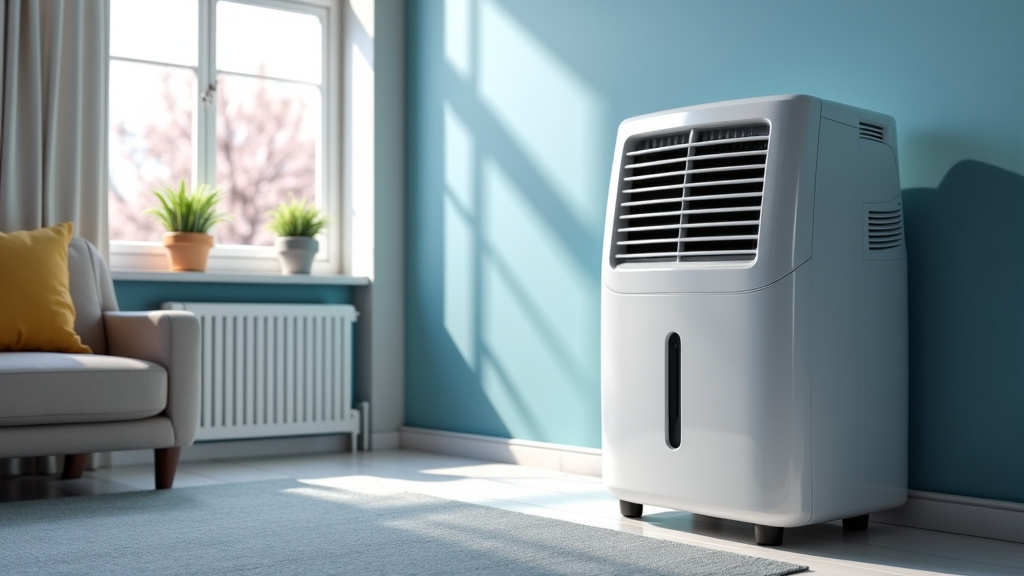
Maintenance for Winter Performance
Regular maintenance is crucial for your dehumidifier’s longevity and performance. Dirty units can’t work effectively.
A little care goes a long way in ensuring it keeps pulling moisture out of your winter air.
Cleaning the Air Filter
The air filter gets clogged with dust and debris over time. A dirty filter restricts airflow, making the unit work harder and less efficiently.
Check the filter every few weeks, especially during heavy use. Most filters can be rinsed with warm water and air-dried. Some are replaceable.
A clean filter ensures optimal performance and prevents potential damage to the internal components.
Checking Coils and Water Bucket
If your dehumidifier has visible coils, periodically check them for frost buildup. While many have auto-defrost, heavy frost can indicate an issue or extreme conditions.
The water collection bucket or reservoir also needs cleaning. It can develop mold or mildew if left uncleaned. Use a mild soap and water solution.
Ensure the continuous drain hose isn’t blocked. Algae or mineral deposits can form, impeding water flow.
Benefits of Winter Dehumidification
Why go through all this effort? Because the benefits of using a dehumidifier in winter are numerous, impacting your health, home, and wallet.
It’s about creating a living space that feels better and is actually healthier.
Health and Comfort Improvements
By controlling humidity, you significantly reduce allergens like dust mites and mold spores. This can mean fewer allergy and asthma symptoms for you and your family.
A properly dehumidified home feels more comfortable. You won’t have that clammy, sticky feeling, even when it’s cold outside.
Many people find that a drier home feels warmer. This lets you potentially lower your thermostat a degree or two, saving on heating bills.
Protecting Your Home and Belongings
Excess moisture can damage furniture, electronics, and wooden structures. A dehumidifier helps preserve your home’s integrity.
It prevents mold and mildew growth, which can cause costly damage and require professional remediation.
Your clothes, books, and keepsakes are also protected from moisture damage. No one wants musty old photo albums.
Overall, a dehumidifier is an investment in the long-term health and value of your home.
Winter Dehumidifier Checklist
Here’s a quick recap to help you use your dehumidifier effectively this winter:
- Identify target areas in your home with high humidity.
- Select a dehumidifier sized appropriately for the space.
- Place the unit with ample space for airflow around it.
- Set the humidistat to between 30% and 50% for optimal comfort.
- Clean the air filter regularly to maintain efficiency.
- Check and clean the water bucket and coils as needed.
- Consider using continuous drainage to reduce manual effort.
- Combine dehumidifier use with proper ventilation where possible.
Troubleshooting Common Winter Issues
Even with the best setup, you might encounter a few hiccups. Don’t worry, many common problems have simple solutions.
Knowing what to look for can save you time and frustration.
Unit Not Collecting Water
If your dehumidifier isn’t collecting water, check a few things. First, is the water bucket correctly in place?
Is the humidistat set too high? If the humidity level in the room is already below your setting, the unit won’t run.
Check the temperature. If the room is too cold (often below 40-45°F for compressor models), the coils might be freezing up. If it lacks an auto-defrost, consider a warmer spot or a different type of unit.
Sometimes, a dirty filter can also impact performance. Make sure it’s clean and clear.
Excessive Noise or Vibration
Dehumidifiers make some noise, but excessive noise can be a sign. Is the unit sitting on an uneven surface?
Check if the water bucket or any internal components are rattling. Ensure everything is seated properly.
A very dirty fan or internal motor issues can also cause unusual noise. If cleaning doesn’t help, it might be time for a professional check or a new unit.
High Energy Bills
If your energy bill spikes, your dehumidifier might be running too much. Ensure the humidistat is not set too low.
Combine its use with other methods of moisture control. For example, take shorter showers or use kitchen
Conclusion
Using a dehumidifier in winter is simpler than you might think. By understanding your home’s unique humidity needs, selecting the right unit, and maintaining it properly, you can avoid many common winter problems.
You’ll enjoy a more comfortable, healthier living environment and protect your home from moisture damage. Remember, maintaining that ideal 30-50% humidity level is your goal.
Don’t let winter humidity catch you off guard. Take action now to ensure your home remains a dry, cozy, and healthy sanctuary throughout the colder months.
Frequently Asked Questions
Can a dehumidifier make a room feel colder in winter?
A dehumidifier removes moisture, which can make the air feel a bit drier. While it doesn’t directly lower the temperature, dry air feels naturally warmer than humid air at the same temperature. So, your home might actually feel more comfortable, allowing you to potentially lower your thermostat a degree or two.
Is it okay to run a dehumidifier 24/7 in winter?
It’s generally not necessary to run your dehumidifier constantly, especially if your home’s humidity is already within the ideal 30-50% range. Using the humidistat setting is more energy-efficient. The unit will turn on only when humidity rises above your set level, saving energy and preventing overly dry air.
Where can I check my home’s humidity level?
Many dehumidifiers have a built-in hygrometer that displays the current humidity. You can also purchase a separate, inexpensive hygrometer. Place it in the areas you’re most concerned about, such as your basement or main living space, to get accurate readings.
What happens if I don’t use a dehumidifier in a humid winter home?
Without a dehumidifier, excess winter moisture can lead to several problems. You might experience condensation on windows, mold and mildew growth (especially in basements or bathrooms), musty odors, and even damage to wooden furniture or floors. High humidity also makes your home feel colder and can exacerbate allergy symptoms.
Should I open windows to reduce humidity in winter?
While opening windows provides ventilation, it’s generally not recommended as a primary humidity control method in winter. You’ll lose significant heat, making your furnace work harder and costing you more. A dehumidifier efficiently removes moisture without sacrificing your home’s warmth.