Do I Need a Dehumidifier for a Unfinished Basement?
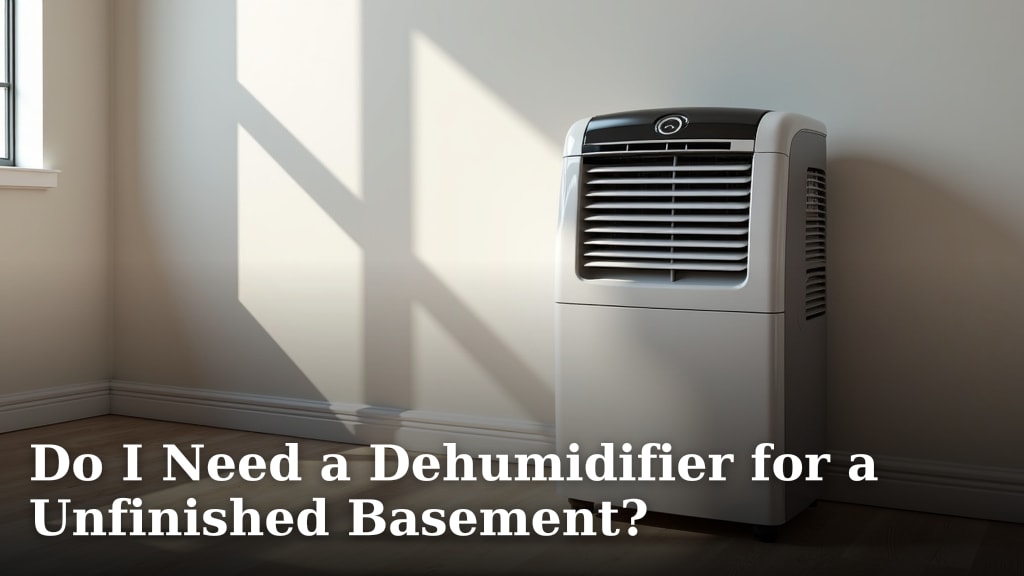
Yes, you very likely need a dehumidifier for an unfinished basement, especially if you notice signs of high humidity or moisture issues. Keeping your basement dry helps protect your home.
Unfinished basements often struggle with dampness due to their underground location and lack of insulation. This can lead to various problems, including musty odors and potential damage to stored items. A good dehumidifier acts as your first line of defense against these common basement headaches.
- Unfinished basements often have high humidity.
- Humidity can cause musty smells and mildew.
- A dehumidifier helps protect stored items.
- It improves air quality in your home.
- Ignoring dampness can lead to bigger issues.
Let’s dive into why an unfinished basement gets so damp and how a dehumidifier can be your best friend in keeping things dry and comfortable down there.
Is a Dehumidifier a Must-Have for Your Unfinished Basement?
Yes, for most unfinished basements, a dehumidifier is not just a nice-to-have, it’s often a necessity. These spaces are prone to moisture issues that can affect your entire home. Let’s explore why.
Why Unfinished Basements Get So Damp
You might wonder why your basement always feels a bit clammy. It’s not just your imagination. Several factors conspire to make unfinished basements humidity magnets.
Underground Location and Temperature Differences
Your basement walls and floor are in direct contact with the cool earth. This keeps the basement air cooler than the air upstairs. When warmer, humid air from your home (or outside) drifts downstairs, it hits these cooler surfaces. This temperature difference causes condensation, turning airborne moisture into liquid water. It’s like a cold glass of iced tea sweating on a hot day.
Lack of Airflow and Ventilation
Unfinished basements often lack proper ventilation. They typically have few windows, or the windows are rarely opened. This means stale, moist air can get trapped. Without air circulation, humidity levels can quickly build up and stay high. Think of it like a closed-off room in your house; it just feels stuffy.
Porous Materials and Concrete
Basement walls and floors are usually made of concrete. Concrete is surprisingly porous. It can absorb moisture from the surrounding soil. Even if you don’t see standing water, water vapor can slowly seep through concrete over time. This constant battle against external moisture adds to your basement’s dampness. Many builders confirm this characteristic of concrete construction.
Signs You Need a Dehumidifier
How can you tell if your unfinished basement truly needs a dehumidifier? Your senses will often give you the first clues. Pay attention to what you see, smell, and feel.
- Musty Odors: A persistent, earthy smell is a clear sign of mold or mildew growth.
- Condensation: Do you see moisture on pipes, windows, or concrete walls?
- Visible Mold or Mildew: Black, green, or white spots on walls, floors, or stored items are a strong indicator.
- High Humidity Readings: A hygrometer (a humidity sensor) shows levels consistently above 50-60%.
- Allergy Symptoms: Increased sneezing, coughing, or congestion when you’re in the basement.
- Wood Rot or Warping: Damp conditions can damage wooden structures or stored furniture.
The Problems High Humidity Causes
Ignoring a damp basement isn’t just about an unpleasant smell. High humidity can lead to several problems that impact your home and your health.
Damage to Your Home and Belongings
Excess moisture can be destructive. It can cause wood to rot, weaken structural elements, and warp floors upstairs if the problem is severe. Your stored belongings are also at risk. Books can get moldy, cardboard boxes can collapse, and tools can rust. We found that most homeowners underestimate the speed at which moisture can ruin possessions.
Mold and Mildew Growth
Mold and mildew thrive in damp, dark environments. An unfinished basement is their ideal breeding ground. These fungi not only produce that signature musty smell but can also spread to other areas of your home. The CDC warns that mold exposure can lead to health problems, especially for those with allergies or asthma. Understanding What Humidity Level Causes Mold can help you prevent its growth effectively.
Pests and Critters
Damp basements are also attractive to unwanted guests. Insects like silverfish, centipedes, and even rodents are drawn to humid conditions. They find food and shelter in damp environments, creating another nuisance for you to deal with.
Poor Indoor Air Quality
When mold and mildew grow, they release spores into the air. These spores can travel throughout your home, affecting the air quality you breathe. This can worsen allergies and respiratory issues for sensitive individuals. Keeping humidity in check improves the overall air quality for everyone in your household.
How a Dehumidifier Solves the Problem
A dehumidifier works by pulling moist air into the unit, removing the water, and then releasing drier air back into the room. This simple process can make a huge difference in your unfinished basement.
Here’s how it helps:
- It removes excess moisture from the air, preventing condensation.
- It creates an environment where mold and mildew cannot grow easily.
- It helps eliminate musty odors, making your basement smell cleaner.
- It protects your home’s structure and your stored items from moisture damage.
- It can deter pests that prefer damp conditions.
- It contributes to better overall air quality in your home.
Choosing the Right Dehumidifier for Your Basement
Selecting the correct dehumidifier is important for effective moisture control. You’ll need to consider the size of your basement and the level of dampness.
Capacity Matters
Dehumidifier capacity is measured in pints per day (how much water it can remove in 24 hours). For an unfinished basement, you generally need a larger capacity unit. A good starting point is often a 50-pint (or 70-pint, using the old rating system) dehumidifier for moderately damp basements. Very wet basements might need even more capacity. Think about the square footage and how much moisture you’re seeing.
Key Features to Look For
When you’re shopping, keep these features in mind:
- Automatic Humidistat: This feature lets you set your desired humidity level, and the unit turns on and off to maintain it. Aim for 50-55% relative humidity.
- Continuous Drainage: Connect a hose to a drain (like a floor drain or utility sink) so you don’t have to empty the water bucket manually. This is a game-changer for basements.
- Low-Temperature Operation: Basements can be cool. Make sure the unit works efficiently in lower temperatures (down to 40°F or less).
- Auto-Defrost: This prevents ice buildup on the coils, which can happen in cooler conditions.
- Energy Star Rating: An Energy Star unit will be more energy-efficient, saving you money on electricity.
Setting Up and Maintaining Your Dehumidifier
Once you have your dehumidifier, proper setup and maintenance will ensure it works effectively for years.
Placement and Operation
Place the dehumidifier in the center of the dampest area of your basement, away from walls. Ensure there’s good airflow around it. Keep basement windows and doors closed when the unit is running. Set the humidistat to a comfortable and protective level, usually between 45% and 55% relative humidity. Many experts suggest this range for optimal home health.
Regular Maintenance Checklist
Just like any appliance, your dehumidifier needs a little TLC to keep running smoothly: For detailed instructions on how to clean a dehumidifier, refer to our comprehensive guide.
- Clean the air filter every 2-4 weeks.
- Empty the water bucket regularly (if not using continuous drainage).
- Check the drainage hose for clogs or kinks.
- Clean the coils once or twice a year.
- Wipe down the exterior to remove dust.
- Listen for unusual noises.
Beyond the Dehumidifier: Other Moisture Solutions
While a dehumidifier is powerful, sometimes you need to address the root cause of excessive moisture. A dehumidifier treats the symptom; these steps address the source.
| Moisture Source | Solution | Dehumidifier Role |
|---|---|---|
| Exterior water pooling near foundation | Improve yard grading; install downspout extensions. | Helps dry residual dampness. |
| Leaking pipes or appliances | Repair leaks promptly. | Removes moisture from the air after repairs. |
| Cracks in foundation walls/floor | Seal cracks with hydraulic cement or epoxy. | Controls humidity from remaining minor seepage. |
| Poor ventilation | Install an exhaust fan or improve air circulation. | Maintains target humidity levels. |
| High outdoor humidity entering | Keep basement windows/doors closed during humid weather. | Removes incoming moisture. |
Conclusion
You’ve seen why an unfinished basement is a magnet for moisture. From its cool underground location to porous concrete, conditions are often ripe for dampness. High humidity isn’t just an annoyance; it can damage your home, ruin belongings, and even impact your health. By understanding these factors and recognizing the signs of moisture, you can take control.
A properly sized and maintained dehumidifier is your primary tool in this battle. It actively removes moisture, creating a drier, healthier environment. While it tackles the symptoms, remember to address any underlying issues like leaks or poor drainage. Take action today to protect your home and enjoy a cleaner, drier basement space.
Frequently Asked Questions
How long should I run a dehumidifier in my unfinished basement each day?
Initially, you might need to run it continuously until the humidity drops to your target level, typically 50-55%. After that, an automatic humidistat will cycle the unit on and off as needed to maintain that level. This means it won’t necessarily run 24/7 once conditions stabilize.
Can I use a regular fan instead of a dehumidifier to dry out my basement?
No, a regular fan only circulates air; it doesn’t remove moisture from it. While better airflow can help slightly, a fan alone will not reduce humidity levels. In fact, if the air coming in is humid, a fan might even spread that humidity around.
What’s the ideal humidity level to maintain in an unfinished basement?
The best humidity range for an unfinished basement is generally between 45% and 55% relative humidity. This range is low enough to prevent mold growth, deter pests, and protect stored items, without making the air too dry.
Will running a dehumidifier significantly increase my electricity bill?
Running a dehumidifier does use electricity, but an Energy Star-rated unit is designed to be efficient. The cost depends on your electricity rates and how often it runs. Many homeowners find the cost a small price to pay to protect their home from moisture damage and improve air quality.
Can a dehumidifier eliminate existing mold growth in my basement?
No, a dehumidifier helps prevent new mold growth by removing moisture, but it will not kill or remove existing mold. If you have visible mold, you’ll need to clean it thoroughly and address the source of moisture before relying on the dehumidifier for maintenance.