What Humidity Level Is Best for a Unfinished Basement?
On this page (6 sections)
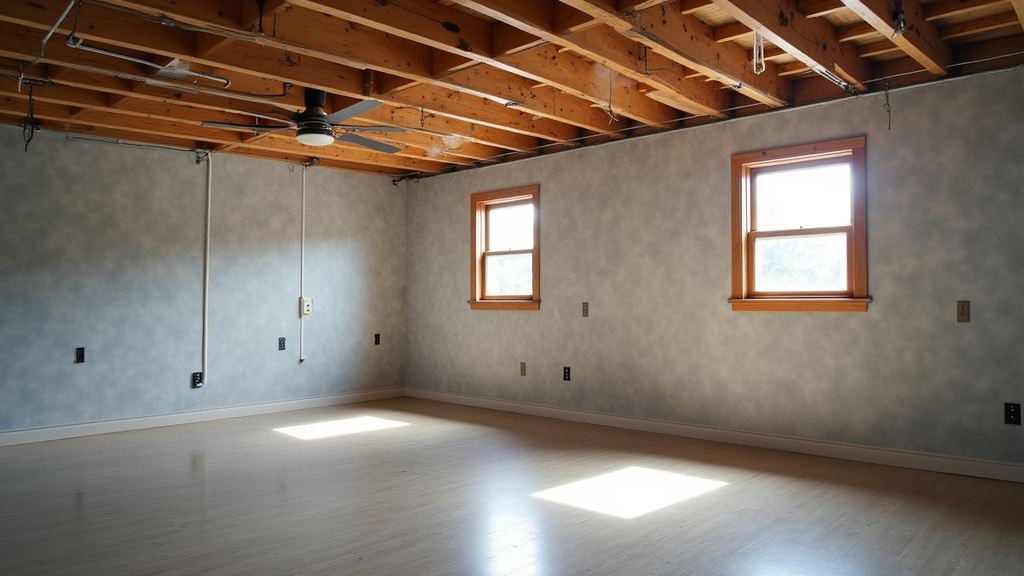
For an unfinished basement, the best humidity level is typically between 30% and 50%. Keeping your unfinished basement’s humidity within this range helps prevent problems. This level protects your home and belongings from moisture damage.
Maintaining proper humidity control is key for any basement space. Too much moisture encourages mold, mildew, and pest issues. Too little moisture can dry out wood, causing cracks. We want to find that happy medium for your home.
- Ideal humidity range: 30-50%
- Prevents mold and mildew growth
- Protects structural integrity
- Deters pests and odors
- Creates a healthier environment
Let’s walk through why this range is ideal and how you can achieve it in your unfinished basement.
Finding the Right Humidity Level for Your Unfinished Basement
The ideal humidity level for your unfinished basement sits comfortably between 30% and 50%. This range is your sweet spot for keeping things safe and sound down there.
Why Humidity Matters So Much in Your Basement
You might wonder, “Why all the fuss about humidity?” Well, your unfinished basement is a unique environment. It’s often cooler and more susceptible to moisture than other parts of your home. Controlling humidity prevents big problems before they start.
Preventing Mold and Mildew Growth
One of the biggest concerns with high humidity is the growth of mold and mildew. These fungi love damp, dark places. They can grow on walls, wood, cardboard boxes, and even stored fabrics. Mold spores can also become airborne, affecting your home’s air quality.
Many health organizations, like the CDC, warn that mold exposure can trigger allergies and asthma symptoms in sensitive individuals. Keeping humidity below 60% is a key step in mold prevention (CDC).
Protecting Structural Integrity and Belongings
Excess moisture can also damage the very structure of your home. Wooden beams, floor joists, and even concrete foundations can suffer over time. Wood can rot, warp, or become a feast for pests. Your stored items are also at risk. Think about those family photos or holiday decorations – they can be ruined by dampness.
On the flip side, extremely low humidity can also cause issues. Wood can dry out too much, leading to cracks and shrinking. This is less common in basements but still something to consider if you live in a very dry climate.
Deterring Pests and Odors
High humidity creates a welcoming environment for many unwanted guests. Insects like silverfish, cockroaches, and even termites thrive in damp conditions. Eliminating excess moisture makes your basement far less attractive to these critters. Have you ever noticed that “musty” smell in a damp basement? That’s often a sign of mold or mildew activity. Reducing humidity helps eliminate these unpleasant odors, making your whole home feel fresher.
Signs Your Basement Humidity is Out of Balance
How can you tell if your basement’s humidity is off? Your nose and eyes are often the first alert systems. Look and smell for these common indicators.
Signs of High Humidity (Above 50%)
If your basement feels damp or clammy, chances are the humidity is too high. You might notice condensation on pipes or windows. This is a clear sign that there’s too much moisture in the air.
- Musty or earthy smell: A common indicator of mold or mildew.
- Visible mold or mildew: Look for black, green, or white fuzzy patches on walls, ceilings, or stored items.
- Damp, clammy feeling: The air feels heavy and sticky.
- Condensation: Water droplets on cold surfaces like pipes, windows, or concrete walls.
- Warping wood: Wood doors or trim might swell and stick.
- Pest sightings: An increase in insects like silverfish or spiders.
Signs of Low Humidity (Below 30%)
While less common in basements, low humidity can also be a problem. It can lead to dryness and static electricity. Your skin and respiratory system might also feel the effects.
- Dry, cracked wood: Furniture or structural wood might show signs of drying out.
- Static electricity: More frequent shocks when touching objects.
- Respiratory discomfort: Dry air can irritate your throat and nasal passages.
How to Measure Your Basement’s Humidity
You can’t manage what you don’t measure, right? Knowing the exact humidity level is your first step. This is where a simple tool comes in handy.
Using a Hygrometer
A hygrometer is an inexpensive device that measures the amount of moisture in the air. You can buy them at most hardware stores or online. Place it in your unfinished basement, away from direct drafts or heat sources. Check it regularly to get a clear picture of your average humidity.
Some hygrometers also track temperature, giving you even more data about your basement’s environment.
Effective Ways to Control Basement Humidity
Once you know your humidity levels, you can take action. There are several effective strategies to bring your basement into the ideal 30-50% range.
Addressing Water Entry First
Before you tackle air moisture, it’s vital to address any actual water leaks. If water is coming into your basement, no amount of dehumidifying will fully solve the problem. Look for cracks in the foundation, leaky pipes, or poor exterior drainage around your home. Fixing these issues is your top priority.
Dehumidifiers: Your Best Friend for Moisture Control
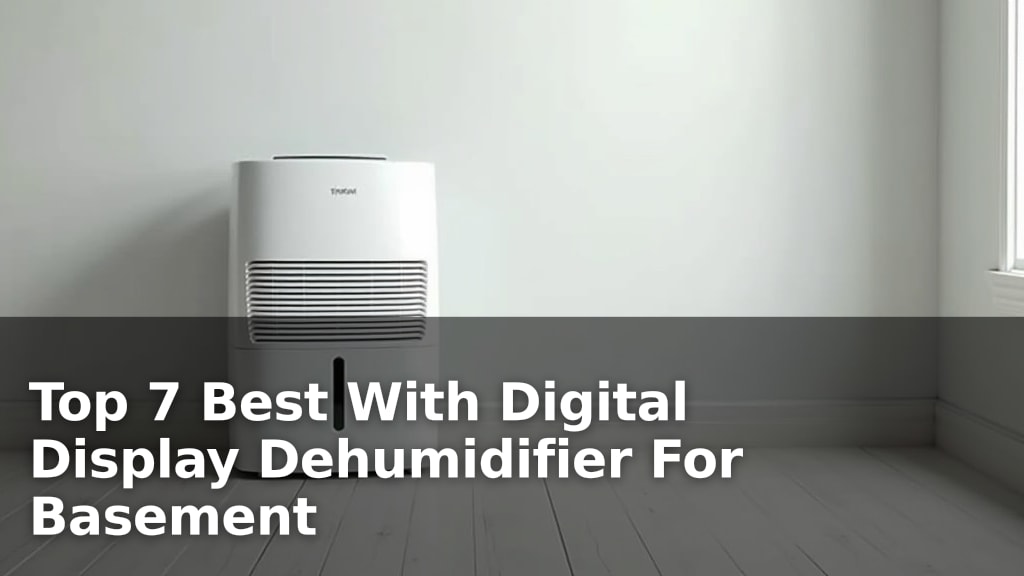
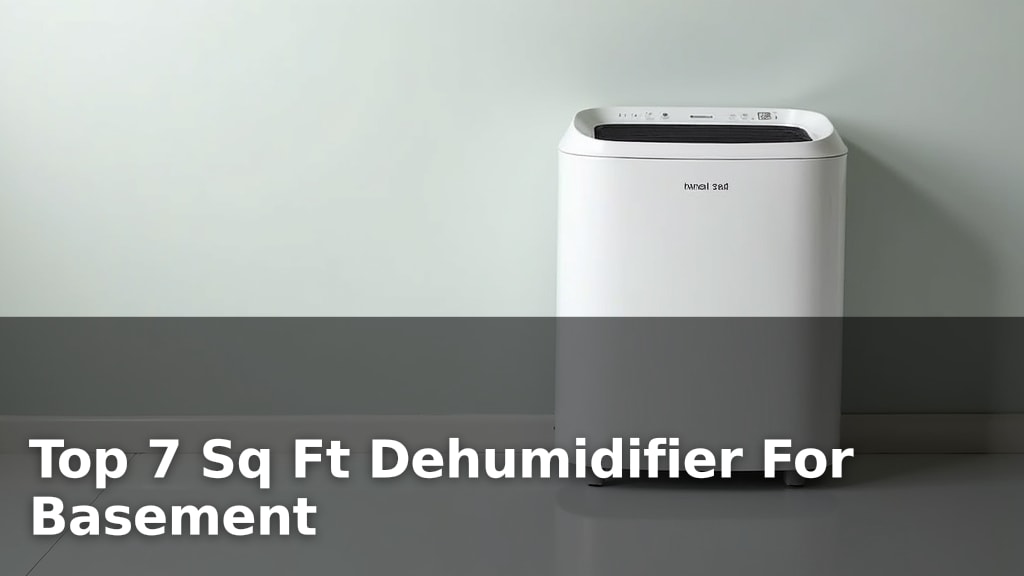
For most unfinished basements, a dehumidifier is the most effective solution. These appliances pull moisture directly from the air. Look for a model designed for basements or large spaces. Many have a continuous drain option, so you don’t have to empty the water reservoir constantly. This can be a game-changer!
| Dehumidifier Type | Best For | Considerations |
|---|---|---|
| Portable Unit | Smaller basements, targeted areas | Needs regular emptying (unless continuous drain), easier to move. |
| Whole-House (Ducted) | Larger basements, integrated with HVAC | More expensive installation, very efficient, less maintenance. |
| Desiccant | Very cold basements (below 65°F/18°C) | Better at lower temperatures, can be less efficient in warm temps. |
Improving Ventilation
Good airflow can help prevent moisture from settling. If your basement has windows, opening them on dry, low-humidity days can introduce fresh air. Exhaust fans can also help move damp air out, especially if you have a bathroom or laundry area in the basement. Just be careful not to bring in humid air from outside during summer months.
Encouraging Air Circulation
Even without direct ventilation, simply moving the air around can help. Consider using a fan to circulate air. This helps dry out damp spots and makes the dehumidifier more effective. Don’t let stored items block vents or restrict airflow.
Moisture-Absorbing Products
For small, isolated areas, or if you’re dealing with very minor dampness, products like desiccant bags or moisture-absorbing crystals can help. These are not a substitute for a dehumidifier in a larger, consistently damp basement, but they can supplement your efforts in closets or storage bins.
Maintenance Checklist for a Dry Basement
Keeping your basement dry is an ongoing task. A little regular attention goes a long way.
- Monitor your hygrometer regularly.
- Empty dehumidifier buckets or ensure continuous drain is working. You might also wonder if you can run a dehumidifier all the time for continuous humidity control.
- Clean dehumidifier filters every few weeks.
- Inspect foundation and pipes for new leaks.
- Ensure gutters and downspouts direct water away from the foundation.
- Check for signs of mold or mildew growth.
By staying on top of these steps, you can create a healthy, dry environment in your unfinished basement. You’ll protect your home and your belongings, and breathe easier knowing you’ve tackled a common household challenge.
Conclusion
Maintaining the right humidity in your unfinished basement, between 30% and 50%, is essential for your home’s health. You’ve learned why this range prevents mold, protects your structure, and deters pests. You also know how to spot the signs of imbalance and measure humidity levels accurately.
Now, it’s time to take action! Use a hygrometer to check your basement’s current state. Then, implement the appropriate solutions, especially a good dehumidifier, to reach that ideal range. Your proactive efforts will create a healthier, safer home environment for everyone.
Frequently Asked Questions
Can I use a regular fan to dry out my damp basement?
A regular fan can help circulate air and assist in drying small, isolated damp spots. However, it won’t remove moisture from the air like a dehumidifier. For overall humidity control in a damp basement, a dehumidifier is far more effective.
How often should I empty my dehumidifier?
This depends on your basement’s humidity and the dehumidifier’s tank size. In very damp conditions, you might need to empty it daily. Many modern dehumidifiers offer a continuous drain option, allowing water to drain directly into a floor drain, eliminating the need for manual emptying.
Is 60% humidity too high for an unfinished basement?
Yes, 60% humidity is generally too high for an unfinished basement. At this level, the risk of mold and mildew growth increases significantly. Your goal should be to keep humidity below 50% to prevent these issues and protect your belongings.
Will insulating my basement walls help with humidity?
Insulating your basement walls can help regulate temperature, which indirectly affects humidity by reducing condensation. However, insulation alone won’t solve a significant moisture problem. It’s best used in conjunction with proper air sealing and a dehumidifier.
What’s the difference between a dehumidifier and an air purifier?
A dehumidifier removes excess moisture from the air, while an air purifier filters out airborne particles like dust, pollen, and pet dander. They perform different functions, though some units offer both capabilities. For humidity control, a dedicated dehumidifier is necessary.