
Does a Dehumidifier Get Rid of Weed Smell?
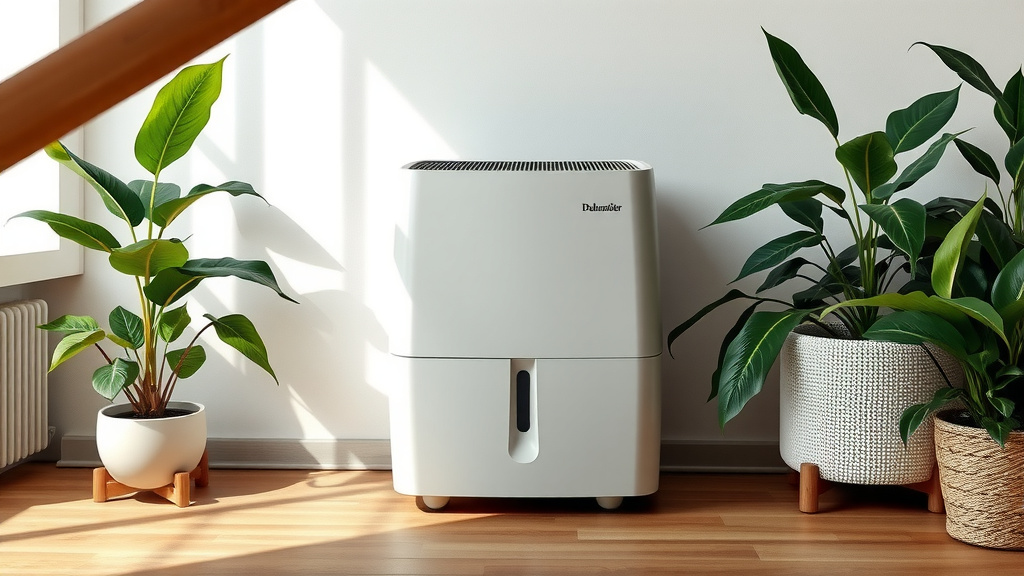
A dehumidifier alone won’t completely get rid of weed smell, as it primarily removes moisture from the air, not airborne odor particles.
While a dehumidifier can help by reducing humidity, which can amplify smells, it’s not designed to filter or eliminate the volatile organic compounds (VOCs) that cause the distinct weed odor.
Here’s a quick summary if you’re short on time:
- Dehumidifiers tackle moisture, not smells directly.
- Weed smell comes from tiny odor particles called VOCs.
- Lower humidity might make smells feel less intense, but they are still there.
- True odor removal requires air purifiers with activated carbon filters.
- Combine strategies for the freshest air possible in your home.
Does a Dehumidifier Get Rid of Weed Smell?
No, a dehumidifier is not an effective tool for eliminating the smell of weed from your indoor environment. Its primary function is to draw excess moisture out of the air.
Understanding the Dehumidifier’s Main Job
Think of your dehumidifier as a sponge for the air. It pulls water vapor out, making your space feel less damp and sticky. This process helps prevent mold growth and dust mites.
It creates a dryer environment, which can feel more comfortable. However, it doesn’t filter out airborne particles or gases, which are the real culprits behind odors.
What Makes Weed Smell So Strong?
The distinct aroma of weed comes from compounds called terpenes. These are aromatic organic compounds found in many plants. Terpenes are highly volatile, meaning they easily become airborne.
Once they are in the air, your nose quickly picks up on them. This is why the smell can spread so quickly and intensely.
Volatile Organic Compounds (VOCs) and Your Nose
Terpenes fall into a broader category known as volatile organic compounds (VOCs). These are gases emitted from certain solids or liquids. Many experts say that VOCs are what create most common household odors (EPA).
When you smell weed, you’re detecting these VOCs floating around. A dehumidifier just isn’t built to capture these tiny gas molecules.
The Limited Role of Dehumidifiers in Odor Control
So, if a dehumidifier removes moisture, why isn’t it helping with the smell? The answer lies in what it’s designed to do and what it isn’t. It doesn’t have the filtration system needed for odor particles.
It’s like asking a mop to clean up glitter. They both clean, but for different things. One is for liquids, the other needs a different approach.
Humidity’s Link to Smell Perception
Can humidity indirectly affect how you smell things? Many people report that odors seem stronger in humid conditions. We found that higher humidity might make airborne odor molecules cling to surfaces more, or our nasal passages might be more sensitive.
So, a drier room might make the smell feel less “heavy.” But remember, it’s not removing the source of the smell itself, just changing how you experience it.
Less Moisture, Less Lingering?
Some research suggests that less moisture can prevent odors from settling into fabrics and walls as deeply. Dry environments might allow odors to dissipate a little faster on their own.
However, this is a minor effect. It won’t make a strong weed smell disappear entirely. The core odor molecules are still present in the air.
What Actually Works to Eliminate Weed Smell?
If dehumidifiers aren’t the answer, what is? To truly get rid of weed smell, you need a strategy that targets those airborne VOCs. This often means physical filtration or chemical neutralization.
We found that effective solutions focus on either removing the odor molecules or masking them effectively.
Activated Carbon Air Purifiers: Your Best Bet
This is where you’ll find real results. An air purifier with an activated carbon filter is specifically designed to trap VOCs. The carbon material has a porous structure that chemically binds to these odor molecules.
Many experts recommend activated carbon for smoke and chemical odors (NIH). It’s incredibly effective at pulling those smelly particles out of the air.
Ventilation: Fresh Air is Your Friend
Sometimes, the simplest solution is the best. Opening windows and doors creates airflow, allowing stale, smelly air to escape and fresh air to enter. A good cross-breeze can do wonders.
Using exhaust fans in bathrooms or kitchens also helps pull smelly air out. This is especially important during or right after smoking.
Odor Absorbers and Sprays
You have other tools at your disposal too. Items like gel air fresheners, odor-absorbing crystals, or even bowls of vinegar or coffee grounds can help neutralize smells. These absorb or mask odors.
Sprays, while often just masking, can be useful for immediate relief. Look for sprays that claim to neutralize odors rather than just covering them up.
DIY Solutions for Persistent Odors
For tougher smells, you might need to get creative. Cleaning surfaces with white vinegar or baking soda solutions can help lift trapped odors. Regularly washing fabrics like curtains and upholstery is also key.
Consider placing bowls of baking soda or activated charcoal in rooms. These act as passive odor absorbers. Always start with a clean space.
- Clean Fabrics: Wash curtains, throw blankets, and cushion covers often.
- Wipe Surfaces: Clean walls, tables, and windowsills with appropriate cleaners.
- Use Fans: Circulate air and push odors out of the room.
- Air Purifier: Run an activated carbon air purifier continuously.
- Baking Soda: Sprinkle on carpets or furniture, let sit, then vacuum.
- Ventilate Well: Keep windows open whenever possible.
Creating a Fresh-Smelling Environment
Maintaining a fresh-smelling home is a constant effort, especially if you deal with strong odors. It’s not just about removing the smell once, but preventing it from building up again.
Think about a multi-pronged approach. You need active removal and passive prevention working together. What steps can you take right now?
Combining Strategies for Success
The best approach is often a combination of methods. Use an air purifier with activated carbon for ongoing air cleaning. Ensure good ventilation, especially when generating odors.
Regularly clean fabrics and surfaces that might absorb smells. This layered approach gives you the best chance to keep your home smelling fresh.
| Feature | Dehumidifier | Air Purifier (Activated Carbon) |
|---|---|---|
| Primary Function | Removes excess moisture | Filters air for particles & gases |
| Impact on Weed Smell | Indirectly, slightly reduces perception | Directly removes odor molecules (VOCs) |
| Mechanism | Condensation, moisture removal | Filtration (HEPA), adsorption (carbon) |
| Best For | Humidity control, mold prevention | Allergens, dust, smoke, odors, VOCs |
| Cost (General) | Moderate to high | Moderate to high (filter replacement) |
Conclusion
While a dehumidifier is fantastic for tackling humidity and preventing mold, it’s not your ally in the fight against weed smell. The odor comes from volatile organic compounds that a dehumidifier just isn’t designed to handle. To truly clear the air, you’ll need to turn to air purifiers with activated carbon filters, ensure good ventilation, and maintain a consistent cleaning routine. By combining these proven methods, you can effectively manage and eliminate unwanted odors, creating a much fresher and more comfortable home environment.
Can a dehumidifier make weed smell worse?
No, a dehumidifier is unlikely to make weed smell worse. By reducing humidity, it might even slightly lessen the perceived intensity of the smell, though it doesn’t remove the odor itself.
How quickly does weed smell disappear from a room?
Without intervention, weed smell can linger for several hours to a few days, depending on ventilation, the intensity of smoking, and how porous the room’s surfaces are. Fabrics and carpets tend to hold onto smells longer.
Do candles or air fresheners really get rid of weed smell?
Most candles and air fresheners primarily mask weed smell with a stronger scent. While they offer temporary relief, they don’t eliminate the odor-causing particles. Some specialized odor-neutralizing sprays can be more effective than simple air fresheners.
Is it possible for weed smell to get trapped in walls or furniture?
Yes, weed smell can absolutely get trapped in porous surfaces like walls, paint, wallpaper, carpets, curtains, and upholstered furniture. Over time, these surfaces absorb the volatile organic compounds, making the smell very difficult to remove without thorough cleaning or even repainting.
What’s the most important thing to do immediately after smoking to reduce smell?
The most important immediate action is to ventilate the area. Open windows and doors wide, use exhaust fans, and direct a fan towards an open window. This helps to push the smelly air out before it has a chance to settle and absorb into surfaces.
