
Does a Dehumidifier Help You Breathe Better?
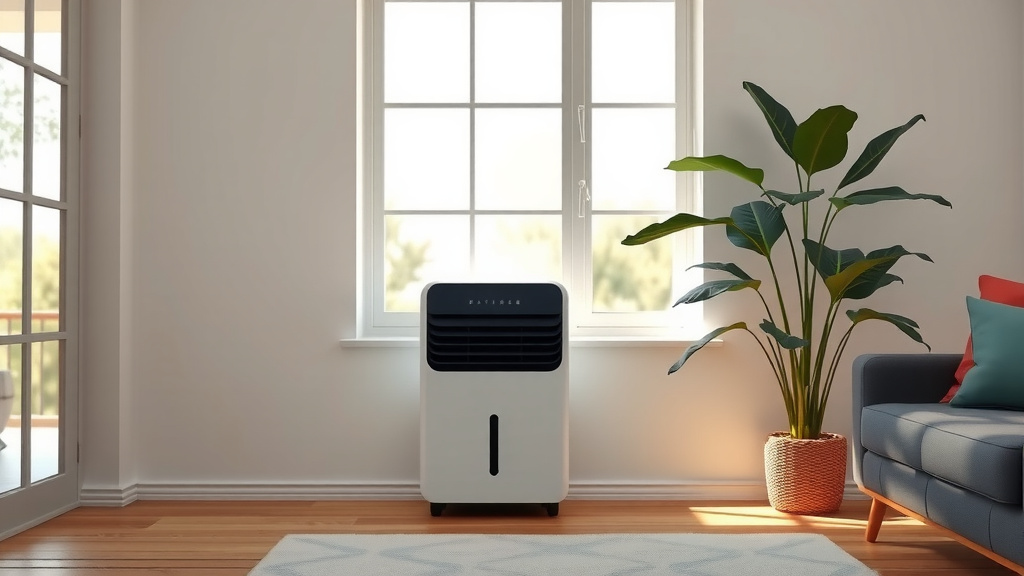
Yes, a dehumidifier can significantly help you breathe better by removing excess moisture from the air. This reduction in humidity creates an environment less hospitable for common allergens like dust mites and mold, which often trigger respiratory issues.
By lowering indoor humidity to optimal levels, you can experience relief from allergy symptoms, asthma flare-ups, and generally feel more comfortable in your home.
TL;DR: Here’s a quick overview of how a dehumidifier can improve your breathing:
- It pulls excess moisture from the air, making it feel lighter.
- It stops the growth of mold and mildew, common respiratory irritants.
- It reduces dust mite populations, a major trigger for allergies and asthma.
- It creates a healthier indoor environment, easing allergy and asthma symptoms.
- You’ll generally feel more comfortable, especially in humid climates.
Does a Dehumidifier Help You Breathe Better?
Absolutely, a dehumidifier can be a game-changer for your respiratory comfort. It works by reducing the amount of moisture in your indoor air.
This process directly impacts your ability to breathe easily, especially if you struggle with allergies or asthma.
Why Humidity Matters for Your Lungs
Think of humidity as a heavy blanket. When the air is too damp, it can feel thick and hard to breathe.
But it’s more than just a feeling. High humidity also creates a perfect breeding ground for many airborne irritants.
The Unseen Threat: Dust Mites and Mold
These tiny enemies thrive in moist conditions. Dust mites, for example, love humidity above 50-60%.
Mold spores also multiply rapidly when there’s too much moisture in the air. Both are common triggers for respiratory problems (CDC).
How Excess Moisture Affects Your Airways
When you breathe in air filled with mold spores or dust mite allergens, your airways can react.
This reaction might include coughing, sneezing, wheezing, or a general feeling of congestion. It’s your body trying to tell you something isn’t right.
Lowering Humidity, Lowering Allergens
A dehumidifier’s job is simple: it extracts water from the air. This makes the air drier and less welcoming for those unwanted guests.
We found that keeping your indoor humidity between 30% and 50% is generally ideal for health and comfort.
Dehumidifiers and Asthma Relief
Many experts say that individuals with asthma often experience significant relief in lower humidity environments. Damp air can cause airways to constrict.
By reducing this dampness, a dehumidifier can help keep your airways more open and comfortable (NIH).
Managing Allergies with Dry Air
If you suffer from allergies, especially those triggered by mold or dust mites, a dehumidifier is a powerful tool.
It directly attacks the conditions these allergens need to survive and multiply, offering you a cleaner air to breathe (Mayo Clinic).
Beyond Allergens: General Comfort
Even without specific respiratory conditions, high humidity can just be plain uncomfortable. It makes you feel sticky and sluggish.
Drier air feels lighter and fresher, making your home a more pleasant place to relax and, yes, breathe.
What’s the Ideal Humidity Level?
For most homes and for optimal respiratory health, aim for an indoor humidity level between 30% and 50%.
Anything above 60% is too high, and below 30% can make the air too dry, causing other issues like dry skin or irritated sinuses.
Choosing the Right Dehumidifier for Your Home
Selecting a dehumidifier depends on your home size and humidity issues. Here’s a quick guide:
| Space Size | Dehumidifier Capacity (Pints/Day) | Common Use |
|---|---|---|
| Small Room (up to 500 sq ft) | 10-20 pints | Bedroom, small office |
| Medium Room (500-1500 sq ft) | 20-40 pints | Living room, multiple rooms |
| Large Space/Whole Home (1500+ sq ft) | 40-70+ pints | Basement, open floor plans |
Placement Matters: Where to Put Your Dehumidifier
The best spot for your dehumidifier is usually in the dampest areas of your home. Think basements, laundry rooms, or bathrooms without good ventilation.
Make sure it has enough clear space around it for air to flow freely. Don’t put it directly against a wall or furniture.
Maintaining Your Dehumidifier
For your dehumidifier to work its best, a little care goes a long way. This includes regularly emptying the water tank and cleaning the air filter.
A clogged filter can reduce its efficiency and even lead to mold growth on the unit itself.
When a Dehumidifier Might Not Be Enough
While powerful, a dehumidifier is one part of a healthy home strategy. It addresses humidity, but other factors also affect air quality.
If you have severe respiratory issues, always consult your doctor for personalized advice.
Other Ways to Improve Indoor Air Quality
To truly enhance your breathing environment, consider a holistic approach. We found these steps to be very helpful:
- Regularly clean and dust your home.
- Use a HEPA air purifier for airborne particles.
- Ensure proper ventilation, especially in kitchens and bathrooms.
- Fix any leaks or water damage promptly.
- Consider allergy-proof bedding if dust mites are an issue.
Here’s a simple checklist for maintaining good air quality:
- Monitor humidity levels with a hygrometer.
- Clean your dehumidifier filter monthly.
- Vacuum with a HEPA filter vacuum.
- Open windows on dry days for fresh air.
- Keep pets out of bedrooms if you have allergies.
Conclusion
So, does a dehumidifier help you breathe better? For many, the answer is a resounding yes. By taking control of your indoor humidity, you actively reduce the triggers for allergies and asthma.
It’s a practical step towards creating a more comfortable, healthier living space where you can genuinely take a deeper breath. Consider adding one to your home and feel the difference.
Does a dehumidifier use a lot of electricity?
The electricity usage of a dehumidifier varies by its size and capacity. Larger units that extract more water generally use more power. However, running it only when needed or using a unit with an Energy Star rating can help manage costs.
Can a dehumidifier make the air too dry?
Yes, if left running continuously without proper monitoring, a dehumidifier can make the air too dry, especially in already arid climates. Aim for humidity levels between 30% and 50% to prevent issues like dry skin, irritated sinuses, or static electricity. Many units have a built-in humidistat to maintain a set level.
Where is the best place to put a dehumidifier?
The most effective placement for a dehumidifier is typically in the dampest areas of your home. This could be a basement, laundry room, bathroom, or a poorly ventilated bedroom. Place it away from walls and furniture to ensure proper airflow and maximum efficiency.
How quickly does a dehumidifier work?
The speed at which a dehumidifier works depends on the room size, the existing humidity level, and the unit’s capacity. You might notice a difference in air quality and comfort within a few hours, but it could take a day or two to reach optimal humidity levels in a very damp space.
Can a dehumidifier help with pet allergies?
While a dehumidifier won’t directly remove pet dander, it can indirectly help with pet allergies by reducing dust mites. Dust mites often feed on pet dander, so by controlling humidity and thus dust mite populations, you might see a slight improvement in overall allergy symptoms.
