
Does Dyson Have a Dehumidifier?
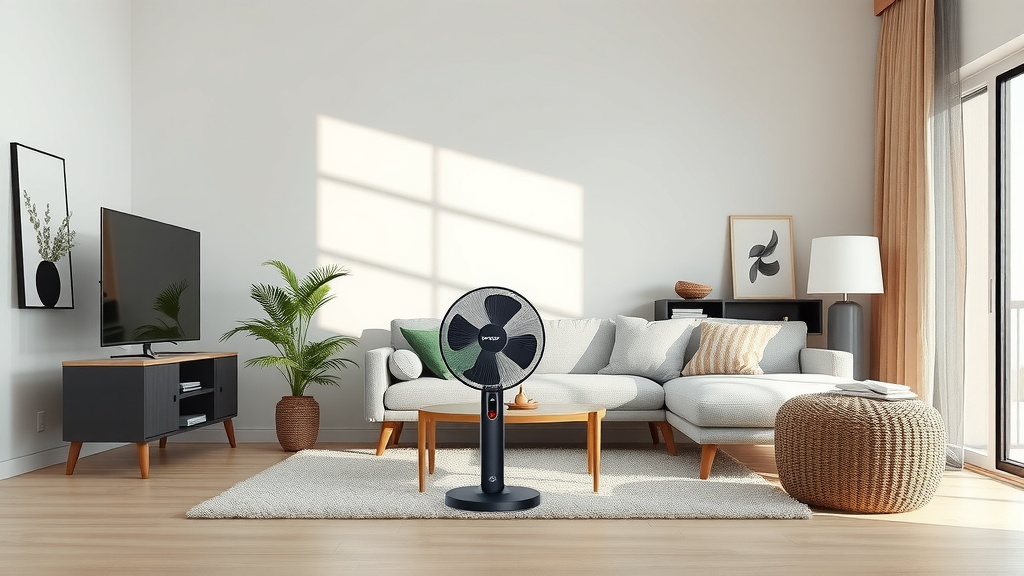
No, Dyson currently does not produce a dedicated dehumidifier appliance. Their product line focuses on air purification, cooling, heating, and humidification, but they do not remove excess moisture from the air.
You won’t find a Dyson dehumidifier because their technology is designed to improve air quality and manage humidity levels by *adding* moisture, not removing it.
- Dyson does not manufacture dehumidifiers.
- Their core products include air purifiers, fans, heaters, and humidifiers.
- These devices filter air, circulate it, or add moisture.
- For managing high indoor humidity, you will need a separate, specialized dehumidifier.
- It’s always important to match the right appliance to your home’s needs.
Does Dyson Have a Dehumidifier?
You might be asking if Dyson, known for its innovative home appliances, offers a dehumidifier. The direct answer is no, they do not currently make one. This often surprises people who expect Dyson to cover all aspects of home air quality.
Understanding Dyson’s Air Quality Focus
Dyson’s expertise truly lies in moving and treating air. They have developed some remarkable machines. Their focus includes things like filtering out allergens, circulating air for cooling, and even projecting warm air. They are all about improving the air you breathe in specific ways.
What Dyson Products Do Offer
Instead of dehumidifiers, Dyson provides a range of products with different functions. You can find their popular air purifiers. They also make fans, heaters, and even humidifiers. Each machine serves a distinct purpose in your home’s environment.
For example, a Dyson Pure Hot+Cool machine can purify the air while also heating or cooling a room. It helps with dust and allergens. You might also find their Dyson Humidifier. This device adds moisture to dry air. It helps improve comfort, especially in winter (NIH).
The Difference: Dehumidifiers vs. Humidifiers and Purifiers
It is easy to confuse these terms, but their jobs are quite different. A dehumidifier’s sole purpose is to pull excess moisture from the air. It reduces humidity. This helps prevent mold growth and musty smells. Think of it like a sponge for your air.
A humidifier, on the other hand, does the opposite. It releases water vapor into the air. This increases humidity levels. This is helpful when the air feels too dry. Dyson makes humidifiers for this very reason.
Air purifiers, like many Dyson models, filter out particles. They catch dust, pollen, pet dander, and odors. They improve air cleanliness. They do not change the amount of moisture in the air. So, they don’t replace a dehumidifier’s job.
Why High Humidity is a Problem
High humidity in your home can cause a lot of issues. You might notice a sticky feeling on your skin. Your home could smell musty. It also creates a perfect breeding ground for mold and mildew. This can affect both your health and your home’s structure (EPA).
Excess moisture can also damage wood furniture. It can warp floors or even harm electronics. Keeping humidity at bay is a key part of home maintenance. It helps protect your property and promotes a healthier living space.
Many experts say keeping indoor humidity between 30% and 50% is ideal (ASHRAE). This range helps keep things comfortable. It also discourages allergens from growing. If your home goes above this often, you probably need a dehumidifier.
Do You Need a Dehumidifier? A Quick Checklist
Not sure if a dehumidifier is right for you? Here are some common signs. Look around your home for these indicators. They can help you decide if you need to act.
- Condensation on windows or cold surfaces.
- A musty or damp smell, especially in basements.
- Visible mold spots on walls, ceilings, or fabrics.
- Allergies or asthma symptoms worsening indoors.
- Peeling paint or wallpaper.
- Sticky or clammy feeling in your home.
Comparing Air Purifiers to Dehumidifiers
Let’s look at the main differences. It helps clarify why a Dyson purifier won’t do a dehumidifier’s job. Each device has its own strength. Understanding this helps you make the right choice for your living space.
| Feature | Air Purifier (e.g., Dyson) | Dehumidifier |
|---|---|---|
| Primary Function | Removes airborne particles (dust, pollen, pet dander). | Removes excess moisture from the air. |
| Humidity Control | None (unless it’s a combined humidifier model). | Directly reduces humidity levels. |
| Health Benefits | Reduces allergens, improves air quality for breathing. | Prevents mold, mildew, dust mites; reduces musty smells. |
| Common Issues Addressed | Allergies, asthma, poor indoor air quality, odors. | Dampness, mold, condensation, sticky feeling. |
Finding the Right Dehumidifier for Your Home
Since Dyson doesn’t offer a solution, you’ll need to look at other brands. When choosing a dehumidifier, think about your space. Do you need one for a small room? Maybe a large basement? Room size is a big factor.
Dehumidifiers are rated by their capacity. This is usually measured in pints. A 50-pint unit might be good for a damp basement. A smaller 20-pint unit could be fine for a bedroom. Always match the capacity to the area you want to treat. You also want to consider noise levels and energy efficiency. Some even have smart features now.
Conclusion
To wrap things up, Dyson does not currently make dehumidifiers. While their products excel at purifying, heating, cooling, and even humidifying air, they are not designed to remove excess moisture. If you are dealing with high humidity, condensation, or mold concerns, you will need to invest in a dedicated dehumidifier from another manufacturer. Understanding the specific function of each appliance ensures you pick the right tool for a comfortable and healthy home environment.
Does Dyson offer any products that handle humidity at all?
Yes, Dyson offers humidifiers, like the Dyson Pure Humidify+Cool. These devices *add* moisture to the air to combat dryness, particularly useful in arid climates or during winter. They do not remove humidity.
Can a Dyson air purifier help with a musty smell from humidity?
While a Dyson air purifier can help filter out odor particles and improve overall air quality, it cannot eliminate the root cause of a musty smell if it’s due to high humidity and potential mold growth. You would need a dehumidifier to address the moisture.
Are there any rumors about Dyson developing a dehumidifier?
We routinely look at industry news, and based on our research, there are currently no confirmed rumors or announcements from Dyson about developing a dedicated dehumidifier. Their focus remains on their existing product categories.
Is it possible to use a Dyson air purifier and a separate dehumidifier together?
Absolutely, you can use both devices in the same space. An air purifier will clean the air by removing particles, and a dehumidifier will manage the moisture levels. This combination can provide comprehensive air quality control in your home.
What should I look for when buying a dehumidifier if Dyson doesn’t make one?
When shopping for a dehumidifier, consider its capacity (pints per day) relative to your room size, energy efficiency ratings, noise level, and features like a built-in humidistat or continuous drainage option. Choose a reputable brand known for appliances in this category.
