
Does a Dehumidifier Take Water from Toilet?
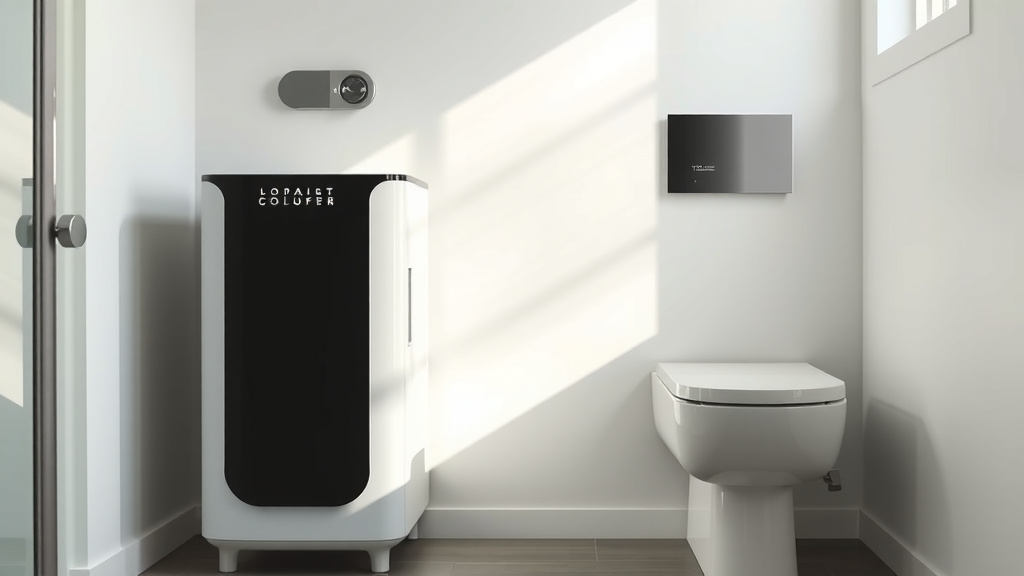
No, a dehumidifier does not literally take water from your toilet bowl or tank. Its job is to pull moisture out of the air, targeting humidity in the atmosphere around your toilet, not the standing water itself.
A dehumidifier reduces airborne water vapor, which can certainly help with a “sweating” toilet tank by lowering the surrounding humidity. Think of it as drying the air, not directly draining the toilet.
- Dehumidifiers target airborne moisture, not standing water in your toilet.
- They can reduce condensation on a “sweating” toilet tank by lowering room humidity.
- High bathroom humidity often causes mold, mildew, and musty odors.
- Proper ventilation and a dehumidifier work together for a healthier bathroom.
- Understanding how they work helps you use them effectively in your home.
Does a Dehumidifier Take Water from Toilet?
No, a dehumidifier doesn’t actively draw water from your toilet. Its purpose is to remove excess moisture that’s floating in the air. If you imagine your bathroom air as a sponge, a dehumidifier is there to wring that sponge dry.
Understanding How Dehumidifiers Work
Have you ever noticed how damp the air feels after a hot shower? That’s airborne moisture. A dehumidifier contains a fan that pulls this moist air over cold coils. The moisture then condenses into liquid water droplets, which are collected in a reservoir.
This process is similar to how a cold glass of water “sweats” on a warm day. The air around the glass cools, and its moisture turns into visible droplets. The dehumidifier simply amplifies this effect, collecting the water effectively.
The Air, Not the Bowl
Your dehumidifier is designed to interact with the air, not with standing water. It’s a guardian against the invisible dampness that can make your bathroom feel stuffy. It cleans the air of excess moisture, making your space more comfortable.
Sources of Humidity in Your Bathroom
Bathrooms are naturally humid places. Every shower, bath, and even flushing the toilet releases some moisture into the air. This moisture comes from the hot water vaporizing and mixing with the room air. We all know that steamy mirror feeling, right?
Even things like drying towels contribute to the overall humidity. Think of your bathroom as a tiny tropical zone after a few uses. This environment is why you often see mold or mildew starting to grow.
Your Toilet’s Contribution to Humidity
While the toilet itself doesn’t actively “evaporate” gallons of water into the air, it can contribute indirectly. A cold toilet tank in a warm, humid bathroom often experiences condensation, or “sweating.” This liquid then evaporates, adding moisture to the air.
It’s not about the water in the bowl. It’s about the temperature difference between the toilet’s surface and the surrounding air. Research found that cold surfaces attract airborne moisture (Environmental Protection Agency).
Condensation vs. Evaporation: What’s the Difference?
Let’s clear this up simply. Condensation is when water vapor in the air turns into liquid. Think of dew on grass or your toilet tank sweating. Evaporation is when liquid water turns into vapor and rises into the air. This is what happens when you boil water.
Your dehumidifier tackles condensation by lowering the overall amount of water vapor available. It effectively reduces the chance for water to condense on cold surfaces, like your toilet.
The “Sweating” Toilet Tank Explained
You’ve probably seen it: water droplets forming on the outside of your toilet tank. This is not a leak. It’s condensation, just like the outside of a cold drink glass. The cold water inside the tank cools the ceramic surface. When warm, humid bathroom air touches this cool surface, the moisture in the air condenses. Research shows this is a common occurrence in humid environments (University of Florida).
Why You Need a Dehumidifier in Your Bathroom
High humidity in bathrooms causes more than just a sweaty toilet. It creates an ideal breeding ground for mold, mildew, and dust mites. These can trigger allergies and cause musty odors. Nobody wants that in their bathroom, do they?
A dehumidifier helps maintain a healthier, more comfortable environment. It protects your walls, paint, and even towels from dampness and potential damage. We found that keeping humidity in check significantly reduces these problems.
Ideal Humidity Levels for Bathrooms
What’s the magic number? Many experts say keeping your indoor humidity between 30% and 50% is ideal. For bathrooms, aiming for the lower end of that spectrum, especially after use, is smart. The Centers for Disease Control (CDC) recommends keeping indoor humidity below 50% to prevent mold growth.
A dehumidifier with a built-in humidistat can help you achieve and maintain these levels. It turns on and off automatically, saving energy. This ensures your bathroom is dry enough without being too dry.
Choosing the Right Dehumidifier for Your Bathroom
Size matters when picking a dehumidifier. For most standard bathrooms, a smaller, compact unit might be sufficient. If your bathroom is large or connected to a master bedroom, you might need a medium-sized unit. Consider units specifically designed for smaller spaces.
Look for features like auto-shutoff when the tank is full, continuous drainage options, and quiet operation. A noisy dehumidifier can be quite annoying. We found that a good unit offers both effectiveness and convenience.
Here’s a quick comparison:
| Dehumidifier Type | Best For | Key Benefits |
|---|---|---|
| Compact/Mini Dehumidifier | Small bathrooms (up to 200 sq ft) | Space-saving, quiet, lower energy use |
| Medium-Sized Dehumidifier | Larger bathrooms, master baths (200-500 sq ft) | More powerful, faster drying, often has humidistat |
Beyond the Dehumidifier: Other Tips for Bathroom Humidity Control
A dehumidifier is a powerful tool, but it’s part of a bigger picture. Good habits make a huge difference. You’re already doing some of these, but a quick reminder never hurts.
- Always use your exhaust fan during and after showers for at least 15-20 minutes.
- Wipe down wet surfaces like shower walls and counters after use.
- Open a window if possible, especially on dry days, to allow fresh air in.
- Don’t dry wet towels or clothes inside the bathroom. Hang them elsewhere.
- Fix any leaky pipes or dripping faucets promptly.
- Consider moisture-absorbing packets in small, enclosed cabinets.
When to Call a Professional
If you’re still experiencing excessive humidity despite your best efforts, it might be time for expert help. Persistent dampness could point to hidden leaks or inadequate ventilation. Many experts say that unexplained high humidity warrants a professional inspection.
A specialist can assess your home’s ventilation system or identify plumbing issues. They can also help determine if your insulation or sealing needs improvement. It’s always smart to address underlying problems.
Common Misconceptions About Dehumidifiers
Some people think a dehumidifier cools the room. While a drier room might feel cooler, a dehumidifier itself doesn’t lower the temperature. It extracts moisture, which is different from an air conditioner’s function.
Another myth is that they are very expensive to run. Modern dehumidifiers are much more energy-efficient than older models. Running one correctly, with a humidistat, can be quite cost-effective. We found that smart usage keeps energy bills reasonable.
Conclusion
So, does a dehumidifier take water from your toilet? Not directly from the bowl, no! It works on the unseen moisture in the air. By reducing this airborne humidity, it helps keep your bathroom fresh, prevents mold, and stops your toilet from “sweating.”
Understanding this difference helps you use your dehumidifier more effectively. Pair it with good ventilation and smart habits for a truly comfortable and healthy bathroom. You’ll enjoy a drier, cleaner space, free from that unwelcome dampness.
What causes a toilet tank to “sweat”?
A toilet tank “sweats” due to condensation. This happens when warm, humid air in your bathroom comes into contact with the cold surface of the toilet tank. The moisture in the air cools rapidly and turns into liquid droplets on the tank’s exterior.
Can high bathroom humidity affect other parts of my home?
Yes, excessive humidity in your bathroom can spread to other areas of your home. Moisture can travel through open doorways and affect adjacent rooms, potentially leading to dampness, musty odors, and mold growth in walls or carpets beyond the bathroom.
Is running a dehumidifier expensive?
The cost of running a dehumidifier depends on its size, efficiency, and how often it operates. Modern models are generally energy-efficient. Using a unit with a humidistat, which turns off when the desired humidity is reached, can help keep energy costs down.
How quickly does a dehumidifier reduce humidity in a bathroom?
The speed at which a dehumidifier reduces humidity depends on several factors: the size of your bathroom, the unit’s capacity, and the initial humidity level. Smaller, more humid spaces will see results faster than larger areas with moderate dampness. Typically, you’ll notice a difference within a few hours.
Should I keep my bathroom door open or closed when running a dehumidifier?
For the most effective humidity reduction specifically in your bathroom, it’s generally best to keep the door closed while the dehumidifier runs. This helps contain the moist air, allowing the unit to efficiently remove moisture from that particular space without trying to dry adjacent rooms as well.
