Dehumidifier vs HRV: Which Controls Humidity Better? (October 2026)
A dehumidifier removes moisture more directly; an HRV mainly exchanges stale indoor air for fresh outdoor air while recovering heat. Choose by the cause of your humidity, your climate and whether you need moisture removal, ventilation, or both.
On this page (12 sections)
- Dehumidifier vs HRV: Which Controls Humidity Better?
- Dehumidifier vs HRV: which controls humidity better?
- What does each system do?
- Does an HRV replace a dehumidifier?
- Can you run a dehumidifier with an HRV?
- Which one fits your home's problem?
- What should you check before choosing?
- Which uses less energy?
- How do climate and season change the choice?
- How should you maintain each system?
- How do you choose between a dehumidifier and HRV?
- Frequently asked questions
Dehumidifier vs HRV: Which Controls Humidity Better?
A dehumidifier removes moisture more directly; an HRV exchanges indoor air for outdoor air while recovering heat. In a dehumidifier vs HRV comparison, choose the dehumidifier for excess moisture and the HRV for ventilation.
An HRV may affect indoor humidity, but it does not work like a dedicated moisture-removal appliance. Its effect depends partly on the moisture in outdoor air.
If you need both lower humidity and fresh-air exchange, the two systems can serve separate roles. Start by identifying whether your main concern is dampness, stale air or both.


Dehumidifier vs HRV: which controls humidity better?
A dehumidifier is the more direct choice for lowering indoor moisture. It draws in room air, removes water and returns drier air to the room.
An HRV, or heat recovery ventilator, moves indoor air out and outdoor air in through separate air paths. It transfers heat between those streams, but it does not collect indoor water in a tank or drain.
An HRV can lower indoor moisture when the incoming air is drier than the air leaving the home. If outdoor air is humid, ventilation may not reduce indoor humidity and can sometimes add moisture.
So the short answer depends on the conditions: use a dehumidifier to target indoor moisture, and use an HRV to exchange air while recovering heat. Neither system automatically solves every humidity problem.
What does each system do?
A dehumidifier treats indoor air; an HRV exchanges indoor and outdoor air. Their main jobs differ, even though both can affect how a home feels.
How does a dehumidifier remove moisture?
A dehumidifier pulls room air across components that collect water, then returns the air to the space. Depending on the model, the collected water goes into a tank or drains through a hose.
A unit with a humidity control can run toward a chosen target. You still need to place it where air can move freely and follow its care instructions.
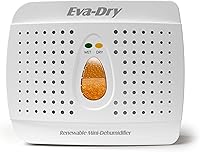
Small moisture absorbers suit enclosed spaces such as closets or cabinets. The Eva-Dry Wireless Mini Dehumidifier absorbs up to 6 oz of moisture and is designed for areas up to 333 cubic feet, so it's a small-space option rather than a whole-room solution.
A larger space with persistent dampness calls for a different capacity. The AEOCKY 5500 Sq.Ft Energy Star Most Efficient is a compressor dehumidifier with a stated capacity of 80 pints per day and a drain hose.
How does an HRV handle air?
An HRV exhausts some indoor air and supplies outdoor air at the same time. Its heat exchanger transfers heat between the air streams without making the HRV a dehumidifier.
This exchange can help with stale indoor air while reducing some of the heating or cooling loss that comes with ventilation. Its moisture effect depends on outdoor conditions, airflow and how the home is operated.
An HRV does not replace source control. If a leak, wet basement or indoor activity is adding water, address that cause rather than expecting ventilation alone to keep humidity in range.
For a closer look at what the system can and cannot do, read whether an HRV dehumidifies.
Does an HRV replace a dehumidifier?
An HRV does not reliably replace a dehumidifier when you need direct moisture removal. It exchanges air, while a dehumidifier pulls water from the indoor air it treats.
The distinction matters most during humid weather. Outdoor air can carry enough moisture that bringing it inside may not lower indoor humidity, even when the HRV is working as intended.
An HRV may be enough for a home that mainly needs ventilation and has no continuing moisture problem. A dehumidifier is more suitable when indoor humidity stays high despite reasonable ventilation and moisture-source control.
Read whether a dehumidifier can double as an HRV if you're weighing one appliance against the other. The two systems perform different functions, so one cannot fully stand in for the other.
Can you run a dehumidifier with an HRV?
Yes, you can use a dehumidifier and an HRV in the same home because they solve different problems. The HRV provides air exchange, while the dehumidifier targets indoor moisture.
Set up the dehumidifier where its air intake and outlet are not blocked. Keep it away from direct splashes, and use a suitable drain path if the unit supports continuous drainage.
Let the HRV operate according to its controls and installation guidance. Avoid changing ventilation settings just to make a dehumidifier run less, since ventilation also serves indoor air exchange.
Check whether the dehumidifier's humidity setting and the HRV's control can work independently. If you have an automation system, confirm that it supports the exact dehumidifier and control method before relying on it; Ecobee dehumidifier control options explain one common setup question.
For practical setup considerations, see running a dehumidifier with an HRV.
Which one fits your home's problem?
Choose based on whether moisture or stale air is the main issue. A quick check of room humidity, moisture sources and ventilation needs can prevent a mismatch.
Choose a dehumidifier if indoor humidity remains high, windows show condensation or a room smells damp. These signs can have other causes, so inspect for leaks and improve moisture-source control too.
Choose an HRV if your home needs planned air exchange and heat recovery. It can support ventilation, but it is not a guaranteed way to dry a home in a humid climate.
If both problems are present, a combined approach may make sense. Have the ventilation system sized and installed for the home, then select dehumidification capacity for the area and moisture load.
Use our humidity-control dehumidifier guide to compare the features that matter when selecting a unit. For vehicle owners, the Rooppa 3 Wipers Fits Honda HRV HR-V is replacement wiper equipment for 2016–2022 Honda HR-V models, not a home ventilation product.
What should you check before choosing?
Check the source of moisture, the room size and your ventilation needs before buying equipment. A single humidity reading is useful, but the pattern over time is more informative.
Use a hygrometer to track readings in the rooms where the problem occurs. Note whether humidity rises after showers, cooking, laundry, rain or a change in outdoor weather.
Look for water intrusion, plumbing leaks, wet building materials and blocked exhaust fans. Fixing a moisture source can matter more than adding another appliance.
For a dehumidifier, compare the intended space, capacity, drain options and humidity controls. A small rechargeable absorber may help inside a cabinet, while a large room may need a compressor unit.
For an HRV, consider the home's ventilation design and climate. Installation, airflow balance, filters and maintenance all affect its usefulness.
Which uses less energy?
There is no universal energy winner because an HRV and a dehumidifier do different work. Compare the energy use of the exact equipment and how often each must operate in your home.
An HRV uses power to move air and transfer heat between streams. A dehumidifier uses power to remove moisture, and its run time can rise when the space is damp or outdoor air keeps adding moisture.
A dehumidifier's capacity alone does not tell you its yearly energy use. Check the energy information for the exact model and estimate how many hours it may run under your conditions.
An HRV also needs suitable operation to meet the home's ventilation needs. Don't reduce necessary ventilation solely to lower a utility bill without considering indoor air exchange.
How do climate and season change the choice?
Outdoor humidity changes how much an HRV can help with indoor moisture. In drier conditions, incoming air may support drying; in humid conditions, the dehumidifier may need to do more of the moisture-control work.
In winter, outdoor air is often colder and may contain less moisture, though indoor humidity still depends on the home and how it is used. An HRV can exchange air while recovering heat, but it does not guarantee a specific indoor humidity.
During humid summer weather, ventilation can bring moisture indoors. A dehumidifier can then target that indoor moisture, while the HRV continues its ventilation role as designed.
Don't use season alone as the deciding factor. Measure indoor humidity and follow the home's ventilation plan as conditions change.
How should you maintain each system?
Keep each system maintained according to its manual so air can move and moisture can be handled as intended. Maintenance needs differ because one removes water and the other exchanges air.
Empty or drain a dehumidifier as directed, clean its filter if fitted and leave clearance around its intake and outlet. Recharge a silica gel unit when its indicator or instructions call for it.
For an HRV, check and clean filters on the schedule in the manual. Keep outdoor intake and exhaust openings clear, and arrange service if airflow or operation changes unexpectedly.
Don't ignore persistent dampness, mold growth or musty odors. Find and correct the moisture source, and seek qualified help when the cause or ventilation setup is unclear.
How do you choose between a dehumidifier and HRV?
Pick a dehumidifier for direct moisture removal, an HRV for heat-recovery ventilation, and both when the home needs both functions. Check humidity readings and the source of the problem before choosing.
If dampness is your concern, start with source control and compare a unit suited to the room's size. If stale air is the concern, assess ventilation needs and the home's airflow plan.
A dehumidifier won't provide fresh outdoor air, and an HRV won't reliably remove water from indoor air. For a home with both concerns, plan the two systems to work alongside each other.
Frequently asked questions
Does an HRV remove humidity?
An HRV is not a dedicated dehumidifier. It can lower indoor moisture when the incoming outdoor air is drier than the air it exhausts, but humid outdoor air may not help and can add moisture.
Its main function is exchanging indoor and outdoor air while recovering heat.
Can you run a dehumidifier with an HRV?
Yes. An HRV exchanges air while recovering heat, and a dehumidifier removes moisture from indoor air, so they can serve separate roles in one home.
Follow both manuals for placement, airflow, drainage and maintenance, and set the dehumidifier to suit the room's moisture needs.
Does a dehumidifier provide ventilation?
No. A standard dehumidifier recirculates indoor air and collects water; it does not bring outdoor air into the home.
An HRV is designed to exchange indoor and outdoor air while transferring heat between the air streams, so the two appliances serve different purposes.
Can a dehumidifier replace an HRV?
No. A dehumidifier can lower moisture in indoor air, but it does not exchange stale indoor air for outdoor air or recover heat during ventilation.
If the home needs ventilation, keep a suitable ventilation system in the plan and use dehumidification separately when needed.
Is an HRV or dehumidifier better in a humid climate?
A dehumidifier is the more direct choice for removing indoor moisture in humid conditions. An HRV may still be needed for ventilation, but humid outdoor air can limit its drying effect.
Measure indoor humidity, address moisture sources and follow the home's ventilation plan.
Frequently asked questions
Does an HRV remove humidity?
An HRV exchanges indoor air with outdoor air and transfers heat between the air streams, but it is not a dedicated dehumidifier. It may lower indoor moisture when the incoming air is drier than the air it replaces.
In humid outdoor conditions, ventilation alone may not bring indoor humidity down.
Can you run a dehumidifier with an HRV?
Yes, a dehumidifier and HRV can operate in the same home because they do different jobs: one removes moisture from indoor air, and the other ventilates while recovering heat. Set the dehumidifier's humidity target and follow both manuals for placement, airflow and maintenance.
Should I buy a dehumidifier or an HRV?
Choose a dehumidifier when excess indoor moisture is the main problem, and an HRV when you need balanced ventilation with heat recovery. A home may need both if it has persistent dampness and limited fresh-air exchange.
Match the equipment to the home's climate and ventilation plan.
Does a dehumidifier provide ventilation?
A standard dehumidifier recirculates indoor air and collects water; it does not bring outdoor air inside. An HRV is designed to exchange indoor and outdoor air while transferring heat between them.
If stale air is the concern, a dehumidifier alone does not solve it.
Can a dehumidifier replace an HRV?
No. A dehumidifier can lower moisture in indoor air, but it does not replace stale air with outdoor air or recover heat during ventilation.
If your home needs ventilation, choose a suitable ventilation system and use a dehumidifier separately when moisture control is also needed.