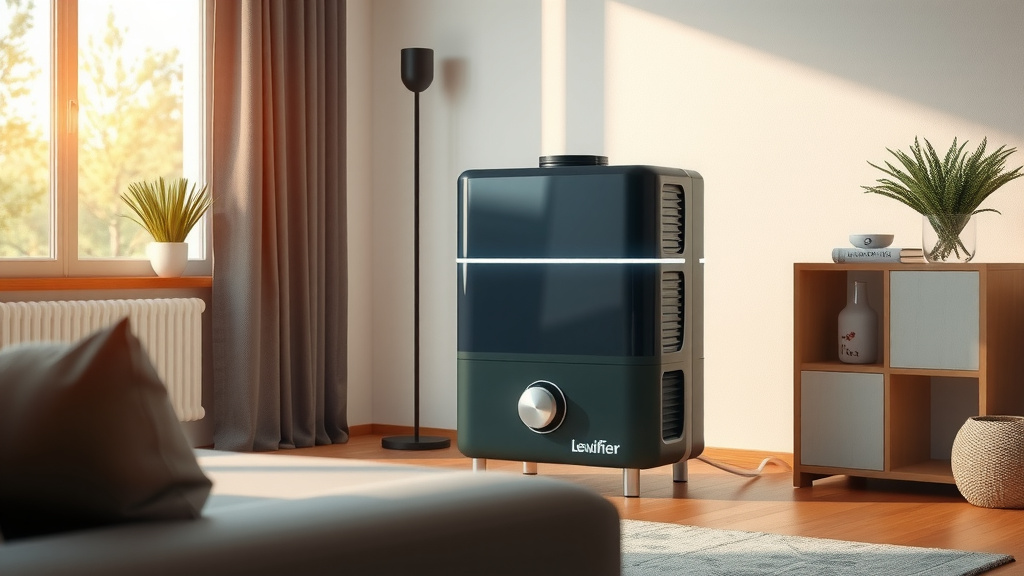
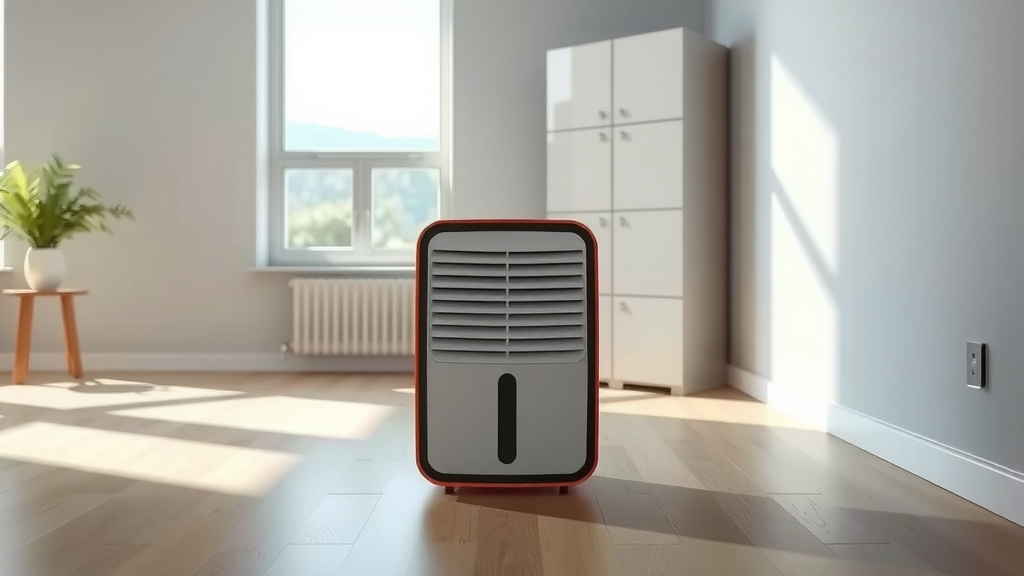
Can an Evaporative Air Cooler Work as a Dehumidifier?
No, an evaporative air cooler does not work as a dehumidifier because it adds moisture to the air as it cools it. If you need lower humidity, use a true dehumidifier or a portable air conditioner with a dehumidifier mode instead.
On this page (9 sections)
- Does an evaporative air cooler work as dehumidifier for a damp room?
- How does evaporative cooling change humidity?
- Why does a swamp cooler feel cool but leave a room damp?
- Can a dehumidifier cool a room instead?
- What should you use if you need cooler and drier air?
- When is a small dehumidifier the better buy?
- When do you need a large compressor dehumidifier?
- Can you run an evaporative cooler and a dehumidifier together?
- How should you choose between the three options?
No, an evaporative air cooler does not work as a dehumidifier because it adds moisture to the air as it cools it. It can make dry, hot air feel cooler, but it cannot remove water vapor from a room.
That distinction matters if your main problem is humidity. A cooler may lower the temperature while making the air more humid, so the room can feel clammy in a different way.
Does an evaporative air cooler work as dehumidifier for a damp room?
No, it does the opposite by design. Evaporative cooling draws warm air across a wet pad or wick, water evaporates, and the air leaves cooler and more humid.
A dehumidifier removes water from the air and collects it as liquid, usually in a tank or through a drain hose. An evaporative cooler has no tank for collecting moisture from the room.
It needs water added, not removed.
This is why the answer to does evaporative air cooler work as dehumidifier is no for basements, bathrooms, and other damp spaces. It may help in a dry climate where the air starts with low humidity, but it is a poor match for a space that already feels wet.
Think about the goal first. If you want cool air in a dry room, evaporative cooling can be a fit.
If you want drier air, you need a machine built to pull moisture out.
How does evaporative cooling change humidity?
It raises relative humidity while it lowers temperature. As water evaporates, the air holds more water vapor.
In dry conditions that trade can feel pleasant, since the cool air and added moisture may be welcome. In humid conditions it makes the room feel heavier and less comfortable.
Your body cools through sweat, and sweat works best when it can evaporate. Humid air slows that process, which is why a room can feel warm even when the thermometer looks modest.
A fan moves air across skin but removes no moisture. Our guide to whether a fan works as a dehumidifier explains that limit.
Moisture removal requires condensing water or taking it out of the air. Evaporative cooling moves the other way, even though its cooling effect is real.
Why does a swamp cooler feel cool but leave a room damp?
A swamp cooler feels cool because evaporation absorbs heat. Air passing over the wet pad gives up heat as water turns to vapor.
That cool air carries the added moisture with it. With windows closed, humidity builds and bedding, curtains, and furniture can feel damp.
Ventilation helps in a dry climate because moist air can leave and drier air can enter. In a humid climate the benefit shrinks, since outside air already holds a lot of moisture.
This is the core swamp cooler versus dehumidifier choice. One adds moisture to cool dry air and the other removes moisture to make air drier, as we compare in swamp cooler v dehumidifier to cool room.
If your room already has condensation, musty smells, or damp surfaces, an evaporative cooler will likely make those problems worse.
Can a dehumidifier cool a room instead?
A dehumidifier does not cool a room the way an air conditioner does. Pulling moisture from the air can add a small amount of heat from the compressor and fan.
Many people feel more comfortable after dehumidifying because dry air lets sweat evaporate more easily. That comfort effect is not a drop in room temperature, as Can a Dehumidifier Cool a Room? explains.
Run one in a closed room and check after a few hours. The temperature may stay about the same or rise slightly, even as the air feels less sticky.
A dehumidifier is a moisture tool, not a cooling tool. Pair it with a fan for air movement, or choose a portable air conditioner if you need both cooling and moisture removal.
Our guide on whether a dehumidifier makes it cooler covers the comfort effects and heat tradeoff in more detail.
What should you use if you need cooler and drier air?
A portable air conditioner with a dehumidifier mode is a practical middle option. It cools the air and also removes some moisture, though its dehumidifying capacity is usually smaller than a dedicated unit.
The SereneLife Portable Air Conditioner has three modes: cooling, dehumidifier, and fan. It is rated at 8,000 BTU, cools up to 350 sq ft, and removes moisture at 1.2 liters per hour in dehumidifier use.
This kind of unit suits a bedroom or living room where heat and humidity both bother you. It has wheels, a remote control, and a window kit.
It also weighs 49 lb, so it is portable but not a carry-around device.
How does a portable AC dehumidifier mode compare with evaporative cooling?
It removes moisture instead of adding it, which is the key difference. A portable AC chills air across a cold coil, water condenses on the coil, and that water drains out through a hose or collects inside.
Evaporative cooling sends moisture into the room. A portable AC sends moisture out of the room or into a drain pipe.
That makes it a better fit for humid weather.
The tradeoff is size, noise, and setup. A portable AC needs an exhaust hose through a window, and it runs at about 55 to 57 dBa in the listed specs.
An evaporative cooler is simpler to move and set up.
For a small room that needs both cool and drier air, the portable AC is usually the more direct answer. For a large damp space, a dedicated dehumidifier will do more moisture work.
When is a small dehumidifier the better buy?
A small dehumidifier is better when moisture is the main problem and cooling is not. It suits a bedroom, bathroom, closet, or RV where you want quiet, steady drying without a window setup.
The boglvr Dehumidifier for Home up is made for spaces up to 1,000 sq ft. It has a 98 oz tank, a drain hose for continuous drainage, auto shut-off when the tank is full, and timer settings of 8, 16, and 24 hours.
At 5.5 lb and 7.88 x 6.25 x 13.98 inches, it fits on a shelf or in a corner. Sleep mode reduces fan speed for overnight use, and the 7-color light can be turned off if you prefer a dark room.
This size class is best for light moisture in a small, enclosed space. It will not match a large compressor unit in a wet basement, but it is easier to move from room to room.
Choose it if you want low noise and simple placement. Skip it if the room is large, very damp, or in a cold basement where steady output matters more.
When do you need a large compressor dehumidifier?
Choose a large compressor dehumidifier for basements and other big damp spaces. It removes far more water per day than a small semiconductor unit or a portable AC mode.
The AEOCKY 5500 Sq.Ft Energy Star Most Efficient unit is rated at 80 pints per day in humid mid-summer conditions. It has a 1.45 gallon tank, a drain hose, and adjustable humidity control with auto, continuous, smart drying, and sleep modes.
At 31 lb and 14.45 x 8.66 x 24.09 inches, it is a stationary appliance, not a desktop unit. Its lowest fan speed is listed at 44 dB, which is quiet for this size class.
This type of unit suits a basement that stays damp through summer, a large living area, or a storage space where you want steady control. It also keeps working at lower temperatures better than many small units.
The tradeoff is cost, size, and energy use. It draws more power and takes more floor space.
If your space is small and only mildly humid, it will be more machine than you need.
Can you run an evaporative cooler and a dehumidifier together?
You can run both, but it usually wastes energy because they pull in opposite directions. The cooler adds moisture and the dehumidifier removes it, so both may run longer to hold a setting.
Our guide on Can You Use an Evaporative Cooler with a Dehumidifier? covers settings and placement for this setup.
Pick the tool that matches the bigger problem. Hot and dry means run the cooler and skip the dehumidifier, while humid means run the dehumidifier and skip the cooler.
For both cooling and drying in one small room, a portable AC with a dehumidifier mode is a cleaner fit. For a large space, run the dehumidifier for moisture and use a fan or separate cooling plan for temperature.
Also consider how using a dehumidifier affects air temperature before expecting it to solve a heat problem. A dehumidifier will not cool the air and may add a little heat while it dries.
How should you choose between the three options?
Match the machine to the problem: heat, humidity, or both. Evaporative cooling fits hot, dry air.
A dehumidifier fits damp air.
A portable AC fits a small room that needs both.
For an evaporative cooler, check the outdoor humidity first. If the air is already humid, the cooler will add moisture without much cooling.
If the air is dry, it can work well with good ventilation.
For a dehumidifier, check the room size and how damp it gets. A small unit works for a closet or bedroom.
A large compressor unit is better for a basement or a whole floor.
For a portable AC, check window fit and noise tolerance. It needs an exhaust hose and a window kit, and it will be louder than a small dehumidifier in sleep mode.
To answer does evaporative air cooler work as dehumidifier one last time: it does not, because it increases humidity as it cools. Buy for the outcome you want, cool air or drier air, and choose the machine that actually delivers it.
Frequently asked questions
Does evaporative air cooler work as dehumidifier in a bedroom?
No, it will raise humidity while it cools dry air. In a bedroom, that can make sheets feel damp and bedding take longer to dry.
Use a dehumidifier for moisture removal, and use a fan or air conditioner for cooling.
Can you use an evaporative cooler with a dehumidifier?
You can run both, but they work against each other because the cooler adds moisture and the dehumidifier removes it. That wastes energy and can leave both units running longer.
Pick one tool for the job you need most.
What should I buy if I want cooling and drier air?
A portable air conditioner with a built-in dehumidifier mode can cool a room and remove some moisture. For steady moisture control in a large or damp space, a dedicated compressor dehumidifier is usually the stronger choice.