Swamp Cooler vs Dehumidifier: Which Does Your Room Need? (October 2026)
Choose a swamp cooler for evaporative cooling in dry air; choose a dehumidifier to remove moisture from damp air. They solve different comfort problems, so your room’s humidity and ventilation matter more than the name on the appliance.
On this page (6 sections)
Choose a swamp cooler to cool dry air through evaporation, and choose a dehumidifier to remove excess moisture from damp air. A swamp cooler can make a room feel cooler, but it adds moisture; a dehumidifier can make humid air feel less clammy, but it does not directly cool the room.
The right choice depends on your local climate, the room’s humidity and whether the main problem is heat or dampness. If you want active cooling plus moisture removal, an air conditioner with a dehumidifier mode may fit better than either appliance alone.


Swamp cooler vs dehumidifier: which cools a room?
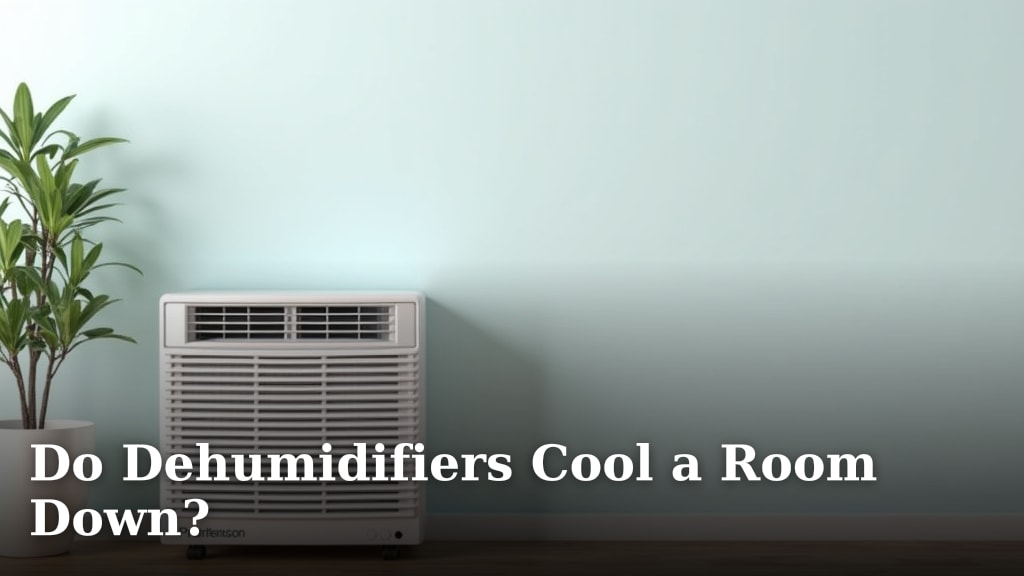
A swamp cooler directly cools air through evaporation; a dehumidifier removes moisture rather than providing direct cooling. A dehumidifier may improve comfort in a damp room, but it can also add heat as it runs.
A swamp cooler pulls warm air through a wet pad, and evaporation lowers the air temperature as it passes through. This process works best when the air is dry enough to absorb more moisture.
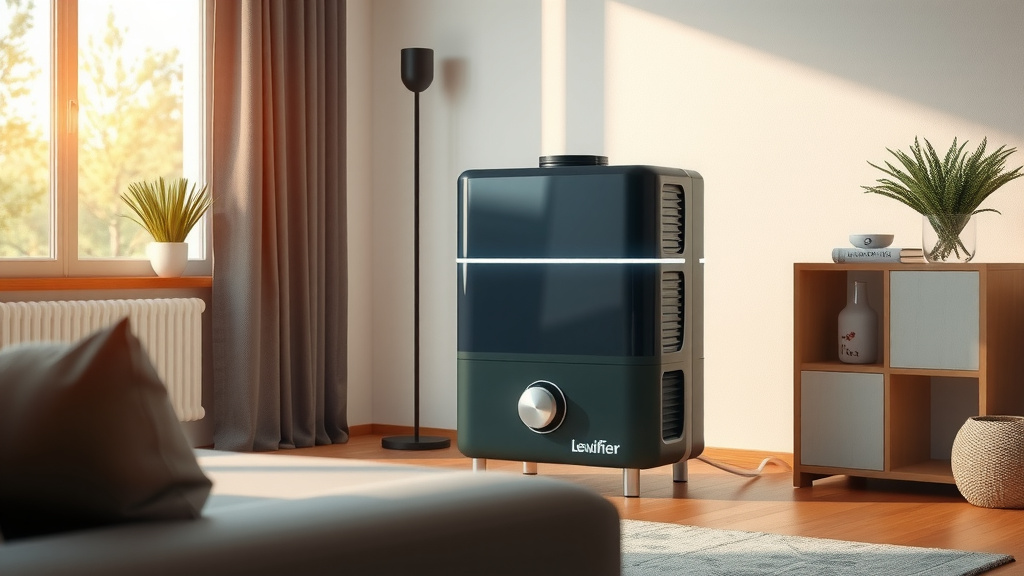
A dehumidifier draws in room air, removes water and sends the drier air back into the space. For more detail, see whether a dehumidifier cools a room.
When does a swamp cooler feel cooler?
A swamp cooler is most useful when outdoor and indoor air are dry, and the room has a way for air to move through it. An open window or other planned air path helps humid air leave instead of building up indoors.
In humid weather, the air has less room to take on more water. The cooler can add moisture without giving you the same sense of relief, so it may leave the space feeling sticky.
Think about the room as well as the weather. A closed bedroom with no fresh-air path is a poor fit for a device that relies on air movement and evaporation.
Why can a dehumidifier feel cooler?
A dehumidifier can make a humid room feel less heavy by lowering the moisture in the air. That can improve comfort even when the thermometer does not show a lower temperature.
It does not blow chilled air into the room. If the room is hot as well as damp, the appliance may help with humidity while leaving the need for cooling unresolved.
Read whether dehumidifiers cool a room down for a closer look at the difference between perceived comfort and actual room temperature.
What happens to humidity with each appliance?
A swamp cooler raises indoor humidity, while a dehumidifier lowers it. This is the main difference that should guide your choice.
Evaporative cooling depends on water changing into vapor. That vapor moves into the room, so the cooler needs ventilation to carry humid air away.
A dehumidifier collects water from the air in a tank or drain. It is designed for a room where excess moisture is the problem, not for producing a cooler air stream.
If dampness is already a concern, a swamp cooler may add to it. For common questions about how these appliances interact, see whether an evaporative air cooler works as a dehumidifier.
Should you use both in one room?
Usually, running a swamp cooler and dehumidifier at the same time works against itself. One adds water vapor as the other tries to remove it.
This overlap can waste electricity and make it harder to reach a comfortable balance. If the room needs cooling and moisture control, use an appliance that can address both needs without adding moisture.
A portable air conditioner can be a practical alternative for that situation. To understand equipment placement, see dehumidifier outdoor units.
The SereneLife Portable Air Conditioner has cooling, dehumidifier and fan modes, plus an exhaust hose and window installation plate.
Check that your window can accommodate the exhaust setup and follow the unit’s installation instructions. Its separate modes let you choose cooling or moisture removal based on what the room needs.
Which appliance suits your climate and room?
Choose the appliance that matches the moisture already in your air: swamp cooling for dry conditions, dehumidifying for damp conditions. A room’s ventilation, size and heat load also affect the result.
In a hot, dry area, a swamp cooler may offer useful evaporative cooling if you can provide a path for air to leave. In a humid area, a dehumidifier is more likely to address the uncomfortable, damp feeling.
For a small enclosed room, the boglvr Dehumidifier for Home up has a 98 oz tank, a drain hose and auto shut-off when the tank is full. Its timer offers 8, 16 or 24 hours, which can help you set a run period for a compact space.
For a larger moisture problem, the AEOCKY 5500 Sq.Ft Energy Star Most Efficient is a compressor dehumidifier with an 80-pint-per-day capacity and a drain hose. To understand the refrigerant in newer models, read what refrigerant new dehumidifiers use.
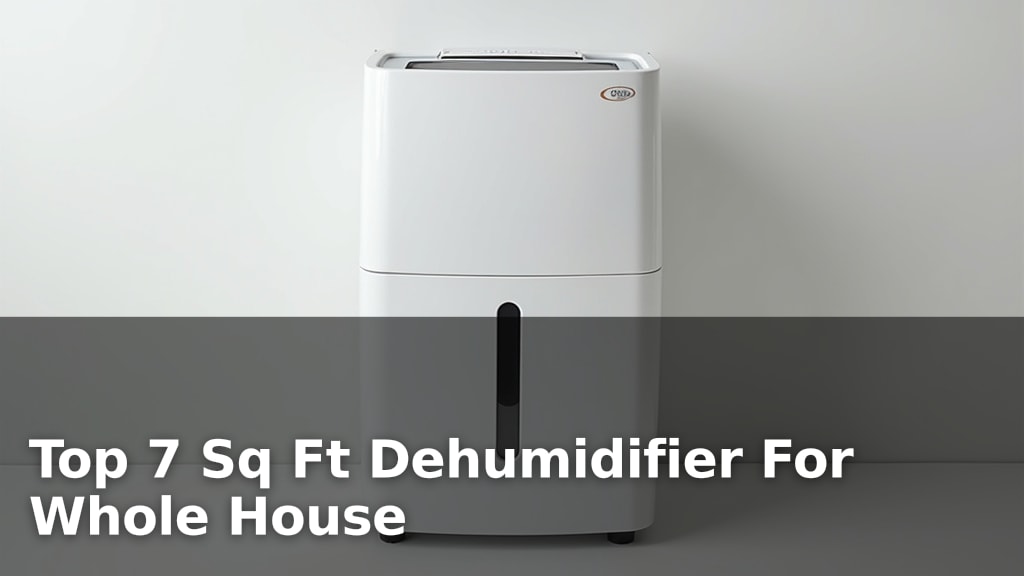
For whole-home options, compare AlorAir whole-house dehumidifiers. Its stated coverage and removal capacity describe a moisture-control role, not room cooling.
What if your room is hot and humid?
If a room is both hot and humid, consider air conditioning with a dehumidifier mode. It can cool the room while offering a separate setting for moisture removal.
A swamp cooler is a poor match if humidity is already high and the air cannot escape. A standalone dehumidifier may reduce moisture, but it does not replace direct cooling.
Keep the room’s actual use in mind. A sunny upstairs bedroom, a windowless basement and a garage can have different heat and ventilation conditions even in the same home.
For attic moisture control, compare Santa Fe attic dehumidifiers.
What if the room is dry but still too hot?
A swamp cooler may suit a dry, hot room when you can ventilate it. If you cannot provide an air path, its added humidity may accumulate indoors.
Check where the air will exit before placing the cooler. Opening a door or window can change the room’s temperature, airflow and privacy, so plan for that tradeoff.
If ventilation is not practical, compare an air conditioner or fan instead. A fan moves air but does not remove moisture or lower the room’s temperature by itself.
How should you decide between cooling and moisture removal?
Start with the problem you need to solve: high temperature points toward cooling, while damp air points to a dehumidifier. If both are present, look for equipment designed to cool and manage humidity.
A basic room humidity meter can help you see whether dampness is persistent. Also note condensation, musty odors or moisture on cool surfaces, since a swamp cooler could make an existing moisture issue harder to manage.
If you are considering a dehumidifier because the room feels warm, read whether a dehumidifier makes it cooler. It explains why lower humidity can improve how a room feels without acting like air conditioning.
Use these checks before choosing:
- Hot and dry: consider a swamp cooler if you can vent humid air out.
- Damp and uncomfortable: choose a dehumidifier to reduce moisture.
- Hot and humid: consider an air conditioner with a dehumidifier mode.
- Small enclosed room: check unit capacity, drainage and noise for the space.
- Large damp area: match the dehumidifier’s stated coverage and removal capacity to the problem.
What should you check before buying?
Check the room conditions, drainage needs and installation requirements before choosing either appliance. The best match is the one you can set up and use as intended.
For a swamp cooler, confirm that you can keep a suitable air path through the room. Plan where its water goes and how often you will refill it, following the model’s directions.
For a dehumidifier, consider where collected water will go. A tank needs emptying, while a drain hose needs a suitable route and a place for water to flow.
Avoid using a coverage number alone as a guarantee of performance in your room. Heat, humidity, air leaks and room layout can all change how an appliance feels in daily use.
Which one should your room have?
Pick a swamp cooler for evaporative cooling in dry air, and pick a dehumidifier when excess moisture is the main problem. If the room is both hot and humid, consider air conditioning with a dehumidifier mode.
For a damp space, decide whether a compact unit such as the boglvr has suitable capacity or whether broader moisture control such as the AEOCKY is a better fit. For direct cooling, the SereneLife provides a cooling mode along with separate fan and dehumidifier modes.
If you’re unsure whether the room needs one dehumidifier or several, use this guide to decide if you need more than one dehumidifier. Match the equipment to the room’s actual moisture and cooling needs, then check its setup requirements before you buy.
Frequently asked questions
Does a swamp cooler cool a room better than a dehumidifier?
A swamp cooler can lower air temperature through evaporation, especially in dry conditions, while a dehumidifier removes moisture and can make damp air feel less clammy. They do different jobs, so compare your room's humidity and ventilation before choosing.
Can a dehumidifier make a room feel cooler?
A dehumidifier may make a damp room feel more comfortable by lowering moisture, but it does not create the same cooling effect as an air conditioner or evaporative cooler. Dehumidifiers also release some heat as they run, so room temperature can rise.
Can you run a swamp cooler and dehumidifier together?
You can operate both, but they work against each other: a swamp cooler adds moisture as it cools, while a dehumidifier removes moisture. Running them together can waste energy, so first identify whether the room needs evaporative cooling or moisture removal.
Which is better for a humid climate?
A dehumidifier is usually the more suitable choice for a humid room because a swamp cooler adds moisture to the air. If the room also needs active temperature control, compare an air conditioner that has a separate dehumidifier mode.
Does an evaporative air cooler work as a dehumidifier?
No. An evaporative air cooler uses water evaporation to cool air and adds moisture in the process.
A dehumidifier collects moisture from the air, so the two appliances have opposite effects on indoor humidity.