Does a Dehumidifier Need an Outdoor Unit?
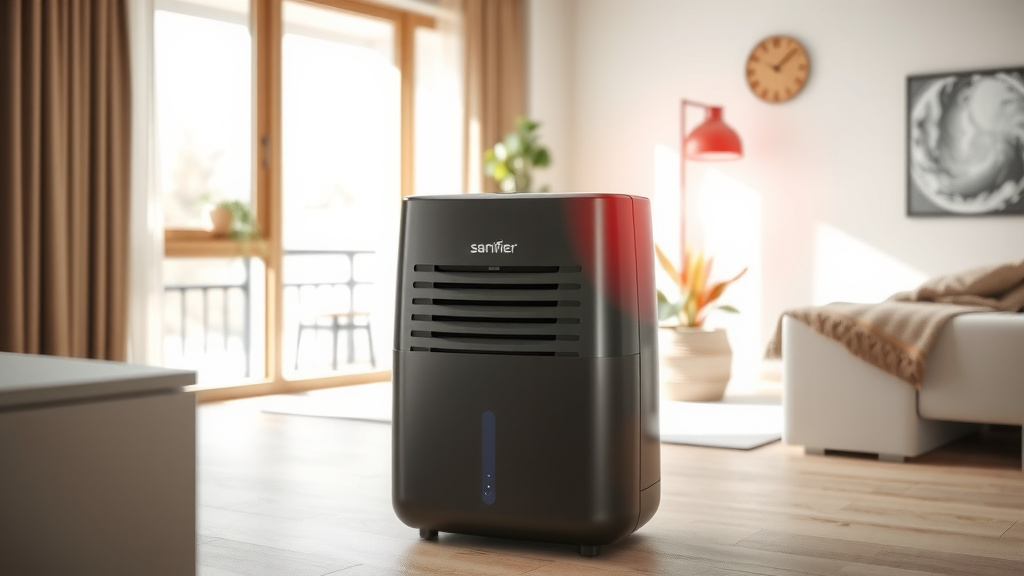
A standard portable dehumidifier does not need an outdoor unit. For the question “does a dehumidifier need an outdoor unit?”, the practical choice is an indoor appliance sized for your space, with a plan to empty its tank or route supported drainage.
On this page (9 sections)
- Does a dehumidifier need an outdoor unit?
- Why is a dehumidifier different from a split air conditioner?
- What does a dehumidifier need instead of an outdoor unit?
- Can a small moisture absorber work without cords or outdoor equipment?
- Does a whole-house dehumidifier need an outdoor unit?
- How do you choose the right indoor setup?
- How should you set up and care for a dehumidifier?
- What mistakes should you avoid?
- Which dehumidifier setup should you choose?
A standard portable dehumidifier does not need an outdoor unit. If you’re asking, “does a dehumidifier need an outdoor unit?”, the answer is no for a typical room model: it removes moisture indoors and collects the water in a tank or sends it to a drain it supports.
That setup differs from a split air conditioner, which has indoor and outdoor equipment. A dehumidifier needs an indoor spot with airflow, power, and a way to manage water, but it does not need an outdoor condenser.
Does a dehumidifier need an outdoor unit?
No, most portable dehumidifiers are self-contained indoor appliances. They draw in room air, remove moisture, and return drier air to the same space.
You can place one in a room where humidity is a concern, provided you follow the unit’s instructions for clearance and use. If you are considering an in-wall model, see how to choose an in-wall dehumidifier.
Depending on its design, you’ll empty a reservoir by hand or connect a drain hose to a suitable drain.
Whole-house systems are a separate setup. For a related ventilation comparison, see dehumidifier vs HRV.
Some connect to a home’s HVAC ductwork, but that does not mean they need the outdoor section used by a split AC system.
Why is a dehumidifier different from a split air conditioner?
A portable dehumidifier and a split AC have different equipment layouts and jobs. A split AC uses indoor and outdoor sections as part of one system; most portable dehumidifiers keep their operating parts together indoors.
For refrigerant changes in newer units, see new dehumidifier refrigerants.
Air conditioning can remove some moisture while cooling a room, but a dehumidifier focuses on moisture removal. It won’t provide the same cooling function as an AC, so choose based on whether humidity or room temperature is the main concern.
What does a dehumidifier need instead of an outdoor unit?
Plan for airflow, electricity, and water removal. Keep the unit in a suitable indoor location, leave the clearances its instructions call for, and make sure you can access the tank or drain.
A tank model needs regular emptying. For a unit with continuous drainage, the hose must reach an appropriate drain and stay positioned as the manual directs.
A drain hose carries water, not air, so it is not an outdoor vent.
The Eva-Dry EDV-1100 is a small-space option for areas up to 122 sq. ft. It has a removable 16 oz reservoir, no drain hose feature, and is not recommended for temperatures below 50°F or relative humidity below 50%.
Its moisture removal varies with temperature and humidity, so it suits a small, humid area better than a cold or large space. Choose another unit if you need continuous drainage or coverage beyond its recommended area.
Can a small moisture absorber work without cords or outdoor equipment?
Yes, a cordless moisture absorber can handle moisture in a small enclosed space without outdoor equipment. It works differently from an electric room dehumidifier, so match the type to the size and severity of the moisture problem.
The Eva-Dry Wireless Mini Dehumidifier uses rechargeable silica gel beads and absorbs up to 6 oz. It is designed for small areas up to 333 cubic feet, such as a closet, cabinet, car, or gun safe.
This format needs periodic recharging, and its limited absorption makes it a poor choice for a damp room or a continuing moisture problem. Choose it when quiet, cord-free placement matters more than removing large amounts of moisture.
Does a whole-house dehumidifier need an outdoor unit?
A whole-house dehumidifier may connect to indoor HVAC ductwork, but it does not automatically need a separate outdoor unit. For compatible ducting accessories, compare dehumidifier duct kits.
Because installation depends on the system and home, check the unit’s instructions and ask a qualified installer about compatibility.
Make sure you’re comparing the right appliance category. A humidifier adds moisture to indoor air, while a dehumidifier removes it.
The AprilAire 700M is a whole-house fan-powered humidifier, not a dehumidifier. Its built-in fan pulls heated air from the furnace through the humidifier, so it’s an example of HVAC equipment that adds moisture rather than removing it.
How do you choose the right indoor setup?
Start with the space and moisture load, then choose the capacity and water-handling routine that fit. The lack of an outdoor unit is usually not a deciding factor for a portable model.
For a cabinet, car, or similar enclosed spot, a cordless absorber can be convenient if you can recharge it as needed. For a small room, look for an electric unit rated for that area and check its temperature limits, tank capacity, and noise.
For several rooms or a larger home, consider whether a whole-house system fits your HVAC setup. For an attic-specific option, compare Santa Fe attic dehumidifiers.
If you’re comparing installation scope, see Is a Portable Dehumidifier Better Than a Whole House Unit?.
For a storage space, compare its size and conditions with dehumidifiers for storage units.
How should you set up and care for a dehumidifier?
Place the unit where air can move around it, and keep its water path clear. Use the manufacturer’s instructions for electrical connections, spacing, temperature limits, and operation.
Before turning it on, choose a stable location near a suitable outlet. Keep the air intake and outlet clear of walls, stored items, and fabrics, and avoid placing the appliance where it could be splashed.
For a tank model, check the reservoir regularly and empty it before it overflows. If your unit supports a hose, route it to a suitable drain without kinks or a raised section that could stop water from flowing.
Don’t assume every model accepts a hose.
Clean the tank and any washable filter according to the manual. A full tank, blocked airflow, or a dirty filter can interrupt operation or reduce performance.
Unplug the appliance before cleaning it, and let parts dry as directed before putting them back.
What mistakes should you avoid?
The main mistakes are choosing a unit that is too small, ignoring its operating limits, and expecting it to cool or ventilate a room. Check the recommended area and conditions before buying.
A compact unit is not a whole-home solution. For example, the EDV-1100 is intended for spaces up to 122 sq. ft and is not recommended in colder or drier conditions.
Don’t select it for a large, cold basement or a space with ongoing heavy moisture.
Don’t confuse water drainage with air venting. A hose, when available, moves collected water; it does not carry exhaust outdoors.
Also avoid placing a unit where its intake or outlet is blocked, or where you can’t safely reach the tank.
If you’re unsure about venting terminology, read Do You Have to Vent a Dehumidifier?, Does a Dehumidifier Need to Be Vented?, and Does a Dehumidifier Need to Vent Outside?. For outdoor venting specifically, see Do Dehumidifiers Need to Be Vented Outside?.
Which dehumidifier setup should you choose?
Choose a portable unit for one room, a cordless absorber for a small enclosed space, and a whole-house system when you need coverage across the home and have a compatible installation plan. In each case, pick based on the space and how you’ll handle collected moisture.
The Eva-Dry EDV-1100 fits a small room where its area and temperature limits work and manual tank emptying is practical. The Eva-Dry Wireless Mini suits a closet, cabinet, or car where cord-free use and periodic recharging make sense.
Skip either compact option for a large or persistently wet space.
For home-wide moisture control, explore HVAC-compatible systems with an installer. So, does a dehumidifier need an outdoor unit?
A portable one does not; your decision should center on room size, operating conditions, installation needs, and water removal.
Frequently asked questions
Does a dehumidifier need an outdoor unit?
No, a standard portable dehumidifier works indoors without a separate outdoor unit. It draws in room air, removes moisture, and returns drier air to the room.
You do need to manage collected water, usually by emptying a tank or using a drain if the model supports one.
Does a dehumidifier need to be connected to ductwork?
A portable room dehumidifier usually does not connect to ductwork. Whole-house models may be installed as part of a home's HVAC system, depending on the equipment.
Check the unit's installation guide and your home's setup before choosing a system.
Do dehumidifiers need a hose to the outside?
Most portable dehumidifiers don't need a hose to the outside. Some models can drain through a hose to a suitable drain, while others use a removable tank.
Confirm the model's drainage options and place it where collected water can be handled safely.
Is a dehumidifier like a split air conditioner?
No. A typical portable dehumidifier is a self-contained indoor appliance, while a split air conditioner has indoor and outdoor sections connected as a system.
Both can affect indoor humidity, but their equipment and installation needs differ.