Is a Portable Dehumidifier Better Than a Whole House Unit?
On this page (8 sections)
- Portable vs. Whole House Dehumidifiers: Which Is Right for You?
- Understanding the Role of a Dehumidifier
- Portable Dehumidifiers: Your Targeted Solution
- Whole House Dehumidifiers: Consistent Comfort for Your Entire Home
- Key Differences at a Glance
- Making Your Decision: What to Consider
- Conclusion
- Frequently Asked Questions
Generally, a portable dehumidifier is better than a whole house unit for managing moisture in specific rooms or smaller areas. Portable units offer flexibility and cost savings for targeted dampness issues. You can move them where you need them most, making them a practical choice for many homes.
Whole house dehumidifiers are designed to control humidity throughout your entire home. They are integrated into your HVAC system. While they offer consistent, whole-home comfort, they come with a higher upfront cost and installation complexity. Portable units are great for tackling a musty basement or a humid bathroom without the large investment.
- Portable dehumidifiers are ideal for single rooms or smaller spaces.
- Whole house units are best for managing humidity across your entire home.
- Portables are generally more affordable and easier to use.
- Whole house systems offer consistent humidity control but cost more.
- Consider your specific needs and budget when choosing.
Let’s dive into the pros and cons of each so you can decide which type of dehumidifier is the perfect fit for your home’s needs.
Portable vs. Whole House Dehumidifiers: Which Is Right for You?
When you’re dealing with excess moisture, you’ve got a couple of main choices. You can go with a portable unit or a whole house system. Each has its own strengths. Understanding these differences will help you pick the best tool for your home’s humidity problem.
Understanding the Role of a Dehumidifier
A dehumidifier is essentially an appliance that removes moisture from the air. Think of it like a sponge for your home. Too much humidity can lead to a lot of problems. It can make your home feel clammy and uncomfortable. It also creates a perfect environment for mold and mildew to grow.
Why Humidity Control Matters
High humidity levels can really impact your living space. They can cause damage to your home’s structure. Wood can swell and warp. Paint can peel. You might notice a musty smell developing. This smell is often a sign of mold or mildew.
Beyond the home itself, excessive moisture affects your health. It can worsen allergy symptoms and asthma. Respiratory issues can become more prominent. Keeping humidity in a healthy range, generally between 30% and 50%, is important for both your home and your well-being (CDC). Maintaining a healthy range of humidity can significantly improve your home’s air quality and your well-being.
The Basic Function of Dehumidifiers
Dehumidifiers work by pulling in moist air. They then cool the air over cold coils, causing the water vapor to condense into liquid. This collected water is then drained away, either into a small tank or directly outside. The drier air is then released back into the room.
Portable Dehumidifiers: Your Targeted Solution
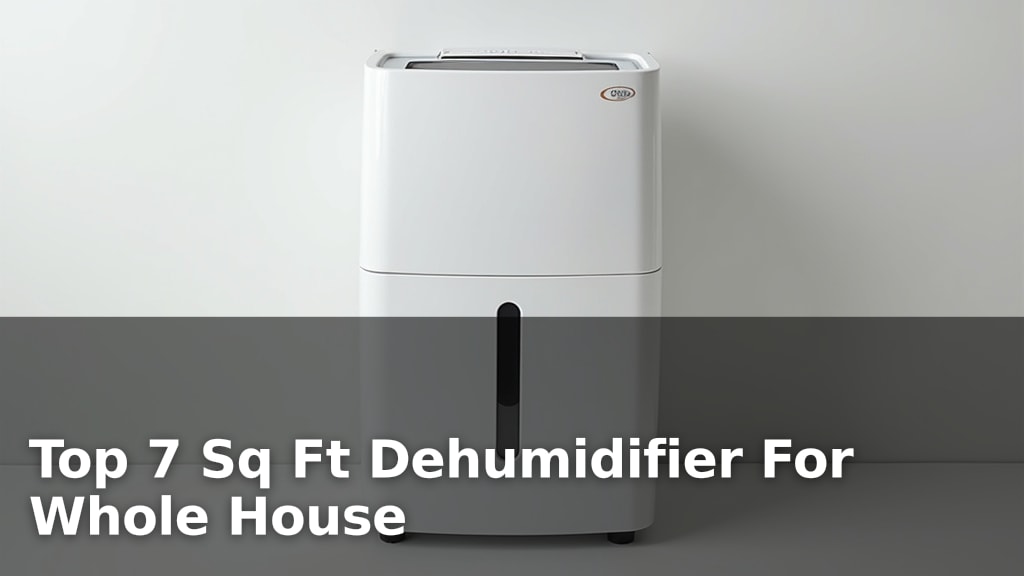
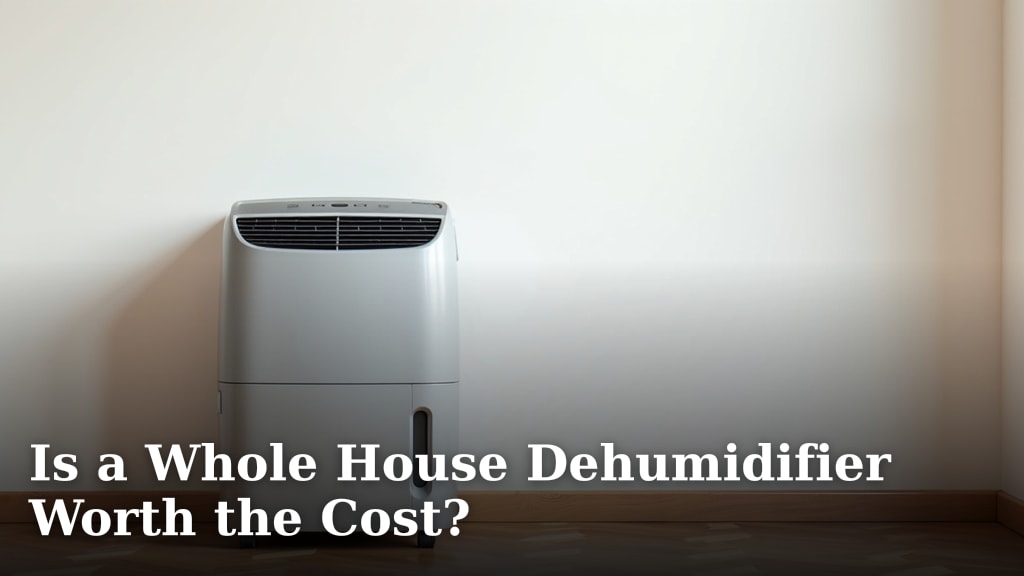
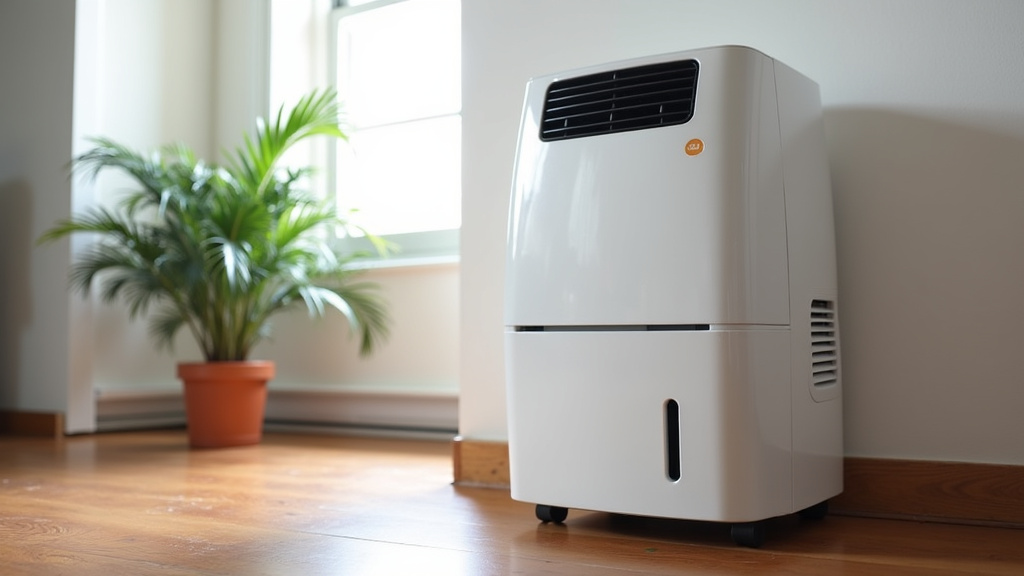
Portable dehumidifiers are designed for specific areas. They are compact and easy to move around your house. If you have a single room that’s always damp, a portable unit is often your best bet. They offer a very direct approach to moisture control.
Where Portable Dehumidifiers Shine
These units are perfect for smaller, enclosed spaces that tend to get humid. A storage unit is another enclosed space to assess; see whether you need a dehumidifier for a storage unit. Think about your basement, which often lacks good ventilation. A small bathroom, especially one without a vent fan, can also benefit greatly. Crawl spaces are another common spot where portable dehumidifiers are used effectively. Portable units are perfect for smaller, enclosed spaces that tend to get humid, like your basement or a bathroom without a vent fan.
You might also use one in a laundry room that feels muggy. Or perhaps a specific bedroom where you notice condensation on windows. The beauty is their flexibility. You can move them from room to room as needed.
Pros of Portable Dehumidifiers
- Affordability: They generally cost less upfront than whole house systems. This makes them a great option for those on a tighter budget.
- Ease of Use: Most portable units are plug-and-play. You just set them up, plug them in, and they start working.
- Targeted Moisture Removal: They focus on one area, quickly reducing humidity where it’s most needed.
- Energy Efficiency for Small Spaces: Running a small unit in one room can be more energy-efficient than conditioning your entire house.
- Portability: You can easily move them to a different spot or a different room if your needs change.
Cons of Portable Dehumidifiers
- Limited Coverage Area: They are only effective in the room or area where they are placed.
- Smaller Capacity: Their water collection tanks are smaller, requiring more frequent emptying.
- Noise Levels: Some portable units can be noisy, which might be disruptive in living areas.
- Manual Maintenance: You’ll need to regularly empty the water tank or set up a continuous drain hose.
Whole House Dehumidifiers: Consistent Comfort for Your Entire Home
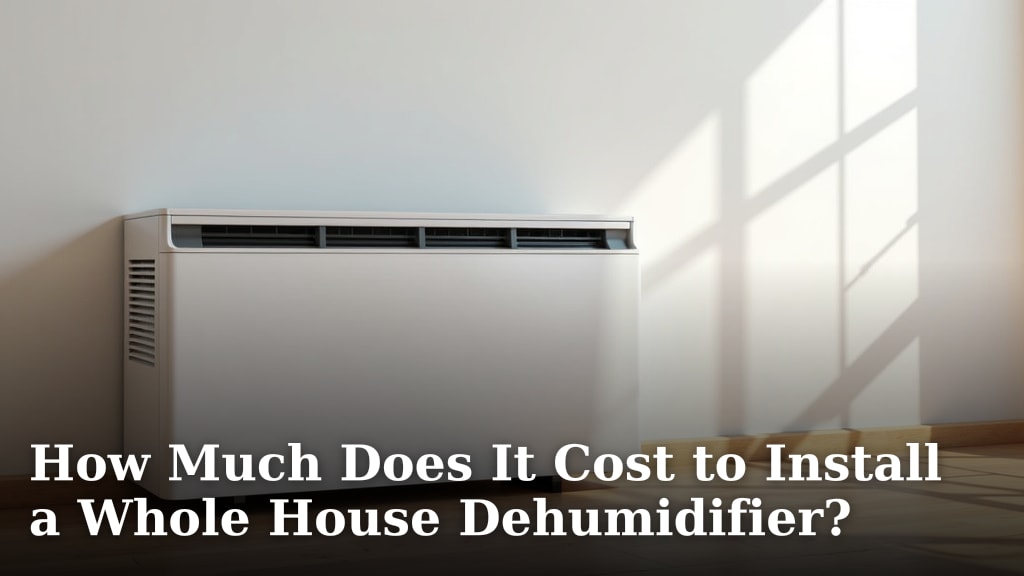
A whole house dehumidifier is integrated into your home’s HVAC system. It works alongside your air conditioner and furnace. This allows it to control humidity levels throughout your entire living space. It provides a consistent level of comfort.
How Whole House Systems Work
These units connect directly to your ductwork. As your HVAC system circulates air, it passes through the whole house dehumidifier. The unit then removes excess moisture before the air is distributed to all the rooms. This ensures that humidity is managed evenly, no matter where you are in the house.
When a Whole House Unit Makes Sense
If you have a larger home or experience humidity issues in multiple rooms simultaneously, a whole house unit is often a better solution. A home with several damp rooms may need more than one dehumidifier. It’s ideal for those who want automatic and consistent humidity control without having to manage multiple devices. It’s a set-it-and-forget-it approach.
Many homeowners find them beneficial if they struggle with high humidity year-round. Or if they have sensitive materials or collections in their home that need stable conditions. They are also great for homes with multiple stories.
Pros of Whole House Dehumidifiers
- Whole-Home Coverage: They treat the air in every room, ensuring consistent humidity levels throughout your house.
- Automatic Operation: They are typically controlled by a humidistat, automatically turning on and off as needed.
- Large Capacity: They have a much larger capacity for water removal, often draining directly outside or into a floor drain. This means less frequent maintenance.
- Quieter Operation: Since they are integrated into your HVAC system, they are generally quieter than portable units.
- Improved Air Quality: By controlling humidity, they can help reduce the growth of mold, dust mites, and other allergens.
Cons of Whole House Dehumidifiers
- Higher Upfront Cost: The purchase price and installation are significantly more expensive than portable units.
- Professional Installation Required: These systems need to be installed by an HVAC professional, adding to the overall expense.
- Less Flexibility: They are a permanent installation and cannot be moved to different areas if your needs change.
- Dependency on HVAC System: They rely on your existing heating and cooling system to operate effectively.
Key Differences at a Glance
Let’s break down the main distinctions in a simple table. This should help you visualize the differences quickly.
| Feature | Portable Dehumidifier | Whole House Dehumidifier |
|---|---|---|
| Coverage Area | Single room or small area | Entire home |
| Installation | None required; plug and play | Requires professional HVAC integration |
| Cost | Lower upfront cost | Higher upfront and installation cost |
| Maintenance | Frequent tank emptying (or hose setup) | Minimal; occasional filter checks/drain line cleaning |
| Portability | Highly portable | Fixed installation |
| Operation | Manual on/off, or basic timer | Automatic, thermostat-controlled |
Making Your Decision: What to Consider
Choosing between a portable and a whole house dehumidifier comes down to your specific situation. Think about the size of the area you need to treat and the severity of the moisture problem.
Assess Your Home’s Needs
First, identify where the humidity problem is the worst. Is it just one room, like a basement? Or does your whole house feel damp and clammy, especially during certain times of the year? Many experts recommend using a hygrometer to measure humidity levels in different parts of your home to get a clear picture.
Consider Your Budget
Your budget will play a big role. Portable units offer a much lower entry point. Whole house systems are a bigger investment, but they provide comprehensive coverage. Think about the long-term costs, including energy usage and maintenance, for each type.
Think About Convenience and Effort
How much effort are you willing to put into managing your dehumidifier? Portable units require regular attention, especially emptying the water tank. Whole house units are much more hands-off. They operate automatically once installed.
Here’s a quick checklist to guide your thoughts:
- Is the humidity confined to one or two rooms?
- Do you need a quick, affordable solution?
- Are you comfortable with regular manual maintenance?
- Do you have significant humidity issues throughout your entire home?
- Is a higher upfront investment acceptable for automated, whole-home comfort?
- Do you prefer a “set it and forget it” approach to humidity control?
Conclusion
Deciding between a portable and a whole house dehumidifier hinges on your home’s unique needs and your budget. For targeted dampness in a single room, like a basement or bathroom, a portable unit offers flexibility and affordability. If you’re battling widespread humidity throughout your entire home and desire automated comfort, a whole house system is likely your best bet, despite the higher initial investment. Carefully assess your space, moisture levels, and what you’re willing to spend. Your next step is to measure humidity in problem areas and compare specific models that fit your chosen category.
Frequently Asked Questions
Can a portable dehumidifier actually keep up with a whole house problem?
Generally, no. Portable dehumidifiers are designed for single rooms or small, enclosed spaces. While you could technically move one around, it’s not efficient for addressing widespread humidity throughout an entire home. A whole house unit is built for that comprehensive coverage.
How often do I need to empty the tank on a portable dehumidifier?
This varies greatly depending on the unit’s size and the humidity level in the room. On a very damp day in a small space, you might need to empty the tank once or even twice a day. Larger units or less humid conditions might only require emptying every few days.
Is a whole house dehumidifier more energy-efficient than running multiple portables?
In most cases, yes. While the upfront cost is higher, a whole house dehumidifier is integrated into your HVAC system and designed for continuous, efficient operation across your entire home. Running multiple portable units in different rooms can consume more electricity overall.
What are the signs that I need a dehumidifier in the first place?
Common signs include a persistent musty smell, visible mold or mildew growth, condensation on windows or pipes, damp spots on walls or ceilings, and clothes taking a long time to dry. Your home may also feel uncomfortably clammy.
Can I install a whole house dehumidifier myself, or do I need a professional?
You will almost certainly need a professional HVAC technician to install a whole house dehumidifier. These units connect directly into your home’s ductwork and electrical system. Improper installation can lead to system damage and reduced efficiency.